

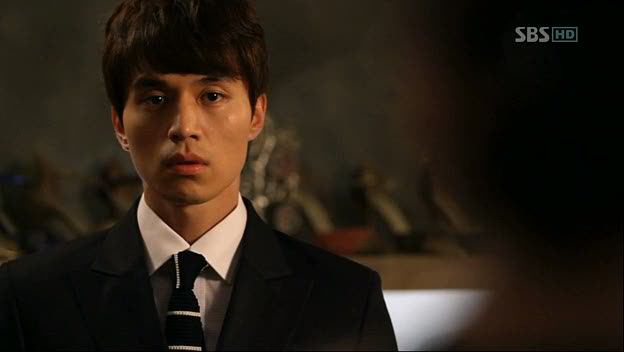
The image of the "chaebol heir" is a staple of South Korean popular culture, often depicted in television dramas as a suave, arrogant young man who navigates boardroom politics with boredom and romance with calculated aloofness. In these fictional narratives, the "chaebol"—a term derived from the Korean words chae (wealth) and beol (faction or clan)—serves as a backdrop for tales of inherited fortune and corporate intrigue. However, beyond the stylized tropes of K-dramas like Secret Garden or What Happened in Bali, the reality of the chaebol is far more complex, serving as both the engine of South Korea’s "Miracle on the Han River" and a primary source of modern economic and social tension. These massive, family-controlled conglomerates have shaped the nation’s trajectory since the mid-20th century, creating a unique corporate landscape that remains deeply polarizing within the domestic sphere.
Defining the Chaebol: A Structure of Dominance
A chaebol is characterized as a large, multi-industry conglomerate that is owned and managed by a single family. Unlike Western multinational corporations, which often rely on professional management and diversified shareholding, the chaebol model is rooted in a hierarchical, patriarchal structure where the founding family maintains control through a complex web of circular shareholdings. This allows the "Chairman" and his immediate relatives to exercise absolute authority over dozens of subsidiary companies, even if their direct equity stake in those subsidiaries is relatively small.
While global consumers are intimately familiar with names such as Samsung, Hyundai, LG, and SK Group, the sheer scale of their domestic reach is often underestimated. For example, Samsung is not merely a manufacturer of smartphones and semiconductors; its subsidiaries encompass life insurance, heavy industries, theme parks, advertising agencies, and even hospitals. Similarly, the Lotte Group maintains a ubiquitous presence in the daily lives of South Koreans, operating department stores, hotels, cinema chains, and a massive food and beverage empire. This cross-industrial omnipresence ensures that the top five chaebols—Samsung, Hyundai Motor, SK, LG, and Lotte—account for a disproportionate share of the nation’s economic output. In recent years, the combined revenue of these top five entities has been estimated to represent approximately 60% to 70% of South Korea’s total Gross Domestic Product (GDP), a level of concentration rarely seen in other developed economies.
A Chronological History of the Chaebol System
The evolution of the chaebol is inextricably linked to the political history of the Republic of Korea, particularly following the devastation of the Korean War (1950–1953).
1953–1961: Post-War Reconstruction
Following the 1953 armistice, South Korea was one of the poorest nations in the world. During this period, the government under Syngman Rhee began distributing Japanese-owned assets and providing preferential access to foreign aid and import licenses to a select group of entrepreneurs. This created the initial seeds of what would become the first generation of chaebols.
1961–1979: The Park Chung-hee Era and State-Led Growth
The true transformation occurred after General Park Chung-hee seized power in a 1961 military coup. Park’s administration viewed economic development as a matter of national security and survival. He implemented a series of Five-Year Economic Development Plans that shifted the nation toward export-led industrialization.
The government essentially acted as the "brain," while the chaebols were the "hands." In exchange for meeting strict export quotas, the state provided these companies with low-interest loans, protection from foreign competition, and subsidies. In the 1970s, the focus shifted to Heavy and Chemical Industrialization (HCI), prompting companies like Hyundai and Daewoo to move into shipbuilding, steel, and construction. This period cemented the "too big to fail" status of these conglomerates.

1980s–1996: Global Expansion and Democratization
As South Korea transitioned toward democracy in the late 1980s, the chaebols began their aggressive expansion into global markets. They moved away from low-end manufacturing and toward high-tech sectors, such as electronics and automotive engineering. By the mid-1990s, South Korea had joined the OECD, and its conglomerates were household names worldwide.
1997: The Asian Financial Crisis
The 1997 financial crisis served as a violent reckoning for the chaebol system. Over-leveraged and bloated by inefficient diversification, many conglomerates collapsed, most notably the Daewoo Group, which was then the second-largest chaebol in the country. The crisis forced the remaining groups to undergo significant restructuring, shedding debt and focusing on core competencies under the oversight of the International Monetary Fund (IMF).
The Nexus of Business and Politics
The historical reliance of chaebols on government favor created a symbiotic—and often illicit—relationship between the corporate elite and the Blue House (South Korea’s presidential office). This "collusive link" has led to numerous high-profile scandals.
Former President Lee Myung-bak, who served from 2008 to 2013, was himself the former CEO of Hyundai Engineering and Construction, embodying the bridge between the two worlds. More recently, the 2016-2017 political scandal involving President Park Geun-hye and her confidante Choi Soon-sil revealed that major chaebols had donated millions of dollars to non-profit foundations in exchange for government favors, including the approval of a controversial merger between Samsung subsidiaries. This scandal led to the impeachment of the President and the imprisonment of Samsung’s de facto leader, Lee Jae-yong, highlighting the persistent challenges of corporate transparency.

Supporting Data: The Economic Weight of the Titans
The influence of the chaebol is best illustrated through the lens of economic data. According to the Fair Trade Commission (FTC) of South Korea, the assets of the top 64 business groups in the country reached nearly 2,300 trillion won (approximately $1.8 trillion USD) in 2021.
- Samsung Group: Frequently cited as the "Republic of Samsung," the group’s exports alone account for roughly 20% of South Korea’s total exports.
- Employment Disparity: Despite their massive revenue, the top chaebols are often criticized for their relatively low contribution to domestic employment. While they dominate the GDP, they employ only about 10% to 15% of the South Korean workforce. The majority of citizens work for Small and Medium Enterprises (SMEs), which often struggle under the shadow of the conglomerates.
- The "Korea Discount": Economists often point to the "Korea Discount," where South Korean stocks are undervalued by global investors due to concerns over chaebol governance, circular shareholding, and the lack of shareholder rights.
Social Implications and Public Reaction
In modern South Korean society, the perception of the chaebol is deeply conflicted. On one hand, there is a sense of national pride in the global success of brands like Samsung and Hyundai, which have elevated South Korea’s international standing. On the other hand, there is growing resentment regarding the "wealth gap" and the lack of social mobility.
The term "Hell Joseon" gained traction among the youth in the 2010s, reflecting a sense of hopelessness in a society where the best jobs are limited to a few chaebol positions, and the competition to enter these companies is soul-crushing. Furthermore, the phenomenon of gapjil—a term describing the abuse of power by the elite against those in subordinate positions—has frequently made headlines. The infamous 2014 "Nut Rage" incident involving a Korean Air executive (a daughter of the Hanjin Group chaebol family) became a global symbol of the perceived arrogance of the "poor little rich boy/girl" trope found in dramas.
Broader Impact and Future Outlook
The debate over the future of the chaebol remains a central pillar of South Korean politics. Proponents of the system argue that the scale of the conglomerates is necessary for South Korea to compete against global giants from the U.S. and China, particularly in capital-intensive industries like semiconductor fabrication and electric vehicle battery production. They contend that the family-led model allows for long-term strategic investments that professional CEOs, focused on quarterly results, might avoid.
Conversely, critics argue that the chaebol system stifles innovation by crowding out startups and SMEs. The "glass ceiling" for smaller businesses makes it difficult for a "Korean Silicon Valley" to truly emerge, as talented entrepreneurs are often either acquired by chaebols or unable to compete with their monopolistic practices.
Successive governments have pledged "economic democratization"—policies aimed at curbing the power of the chaebols and protecting smaller businesses. However, implementing these reforms has proven difficult, as the health of the South Korean economy remains deeply intertwined with the performance of its largest companies.
As South Korea navigates the challenges of a shrinking workforce and the transition to a digital-first economy, the chaebol must evolve. The transition of leadership to the third and fourth generations of founding families brings both uncertainty and the potential for modernized corporate governance. Whether these titans can maintain their dominance while fostering a more equitable economic environment will be the defining question for South Korea’s next chapter. While the K-drama version of the chaebol may continue to fascinate audiences with tales of luxury and romance, the real-world impact of these organizations remains a serious matter of national policy and economic survival.