The Intersection of Global Fandom and Social Activism: Analyzing the Power and Paradox of K-Pop Movements
Article Editorial Team
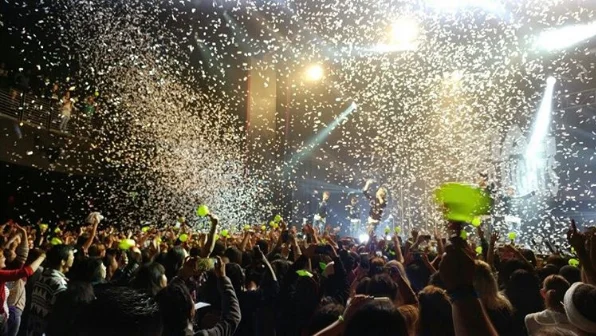
The modern landscape of celebrity culture has undergone a radical transformation, evolving from passive viewership into a sophisticated, decentralized, and highly organized global phenomenon known as fandom. While the concept of a fan base is not new, the digital age has empowered these groups to operate with the efficiency and scale of traditional social movements. In the realm of K-pop, this evolution has reached its zenith, as millions of individuals across diverse demographics unite under specific "fandom names" to support their chosen artists. However, as these groups increasingly engage with political and social justice issues, a complex paradox emerges: the same collective power used to champion civil rights can also be weaponized to silence dissent and protect idols from accountability.
The Mechanics of Fandom as a Social Movement
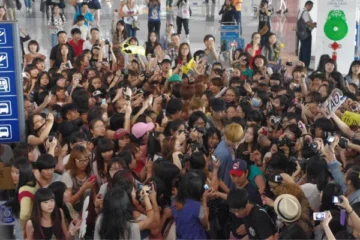
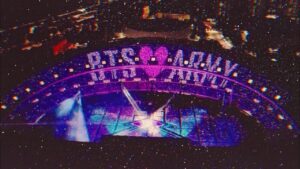
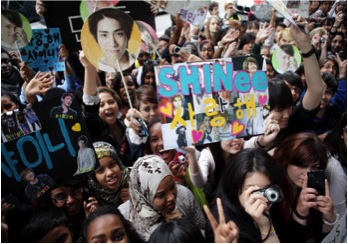
Sociologically, a social movement is defined as a form of collective action involving informal networks of interaction between individuals and groups, driven by a shared identity and a common goal. K-pop fandoms—such as BTS’s ARMY, Stray Kids’ STAY, or BLACKPINK’s BLINKs—perfectly mirror this definition. These groups span continents, languages, and socioeconomic backgrounds, yet they operate with a level of coordination that rivals major political campaigns.
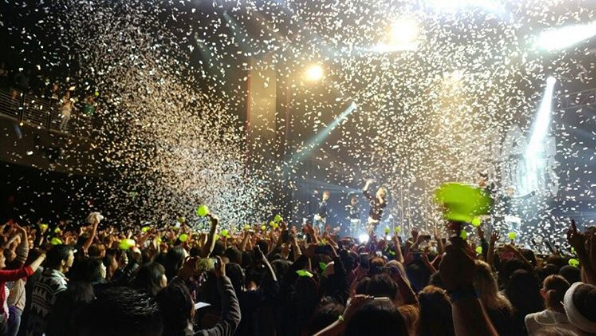
The efficacy of these fandoms is rooted in a culture of collectivism. Unlike Western individualistic models, Korean cultural norms often emphasize the well-being of the community and the success of the group over the individual. This collectivist ethos is deeply embedded in the K-pop industry, where the relationship between the artist and the fan is marketed as a symbiotic partnership. Fans do not merely consume music; they feel a personal responsibility for the artist’s success. This translates into tangible actions: mass-voting for awards, coordinated "streaming parties" to boost chart positions, and large-scale fundraising for charity in an idol’s name.
Globalization and the Digital Feedback Loop
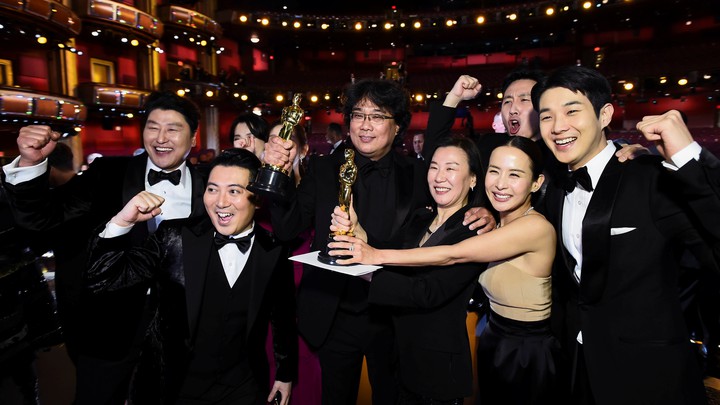
The rise of K-pop as a global force is a primary case study in the effects of globalization. As physical borders become less relevant to the exchange of culture, South Korea has successfully exported its entertainment industry into the Western mainstream. This "Hallyu" (Korean Wave) has seen films like Parasite win the Academy Award for Best Picture and K-pop groups like BTS sell out stadiums that were once the exclusive domain of Western legacy acts.
Digital platforms have facilitated this expansion through a feedback loop of engagement. Marketing strategies now leverage "shareability" as a core metric. For example, the "reaction video" genre—where creators film their genuine responses to music videos—has become a cornerstone of K-pop’s digital footprint. Channels like ReacttotheK, which analyzes the musicality of K-pop from a professional perspective, demonstrate how fandom can permeate specialized academic or professional spheres. These digital interactions create a sense of global community, allowing a fan in Brazil and a fan in South Korea to participate in the same "social movement" simultaneously.
A Chronology of K-Pop Activism (2020–2021)
The year 2020 marked a turning point where K-pop fandoms transitioned from entertainment-focused activities to significant political and social intervention.
The Black Lives Matter Movement (June 2020)
On June 4, 2020, following the death of George Floyd and the subsequent global protests, BTS and their management company, Big Hit Entertainment (now HYBE), announced a $1 million donation to the Black Lives Matter (BLM) movement. Within minutes, the fandom mobilized. Using the hashtag #MatchAMillion, fans organized a fundraising drive to equal the group’s contribution. In less than 24 hours, the organizers—a volunteer group known as One in an ARMY—announced they had surpassed the $1 million goal, with donations coming from over 35,000 individual fans.
The Tulsa Rally Disruption (June 2020)
Later that month, K-pop fans were credited with playing a role in the lower-than-expected attendance at a campaign rally for then-President Donald Trump in Tulsa, Oklahoma. Thousands of fans, coordinated via TikTok and Twitter, reportedly reserved tickets for the event with no intention of attending. While the campaign denied that this affected attendance, the event saw fewer than 19,000 attendees in a 19,000-seat arena that had been expected to overflow.
Digital Counter-Protests
During the same period, K-pop fans utilized their "spamming" capabilities to disrupt hashtags used by white supremacist groups. When the hashtag #WhiteLivesMatter began to trend, K-pop fans flooded the tag with "fancams" (short videos of idols performing). This effectively drowned out racist rhetoric, making the hashtag unusable for its original intended purpose.
The Dual Nature of Collective Power: Protection vs. Accountability
While the political interventions of 2020 were largely praised by the Western media, the internal dynamics of fandom reveal a more troubling side to this collective power. The primary goal of a fandom is the protection and elevation of the idol. When social justice goals align with the idol’s image, the results are positive. However, when an idol is accused of wrongdoing, the "social movement" often shifts toward suppression and defense.
The Hyunjin Bullying Allegations (2021)
In early 2021, the South Korean entertainment industry was rocked by a series of bullying allegations against various celebrities. Among them was Hyunjin of Stray Kids. While some fans called for accountability, a significant portion of the fandom (STAY) utilized social movement tactics to drown out the accusations. Hashtags were trended to demand his return and to profess unconditional support, regardless of the veracity of the claims. This pressure was designed to signal to the management company, JYP Entertainment, that the fan base’s financial support was contingent on the idol’s retention.
"Clearing the Searches" and Digital Erasure
Fandoms frequently employ a tactic known as "clearing the searches." When an idol is involved in a scandal—ranging from cultural appropriation to criminal investigations—fans coordinate to post thousands of tweets containing the idol’s name alongside positive keywords like "talented," "kind," or "best boy." This manipulates search engine algorithms so that anyone searching for the idol’s name will see positive reinforcement rather than news reports about the controversy. This practice, while seemingly innocuous, represents a sophisticated form of information control that prioritizes image over truth.
Marginalized Voices Within the Fandom
The claim that K-pop fandoms are bastions of social justice is often contested by minority fans within those very communities. Black K-pop fans, in particular, have frequently reported "dogpiling"—a form of online harassment where hundreds of users attack a single person—when they raise concerns about cultural appropriation or the use of racial slurs by idols.
Data from social media sentiment analysis suggests a recurring pattern: when a minority fan points out a problematic behavior, the collective response from the broader fandom is often to silence the individual to "protect the group’s reputation." This creates an environment where the "social movement" only supports social justice when it is convenient or when it enhances the global prestige of the artist.
Analysis of Implications and Future Trends
The rise of fandom as a political force has significant implications for both the entertainment industry and digital democracy.
- Weaponization of Data: Fandoms have mastered the art of "algorithmic activism." By understanding how Twitter trends and Google searches work, they can exert influence that outweighs their actual numbers. This raises questions about the future of digital discourse and how easily it can be manipulated by organized groups.
- Corporate Responsibility: K-pop agencies now recognize fandoms as political entities. This has led to more cautious PR strategies but also a tendency for companies to cave to fandom demands, even when those demands conflict with ethical standards or internal investigations.
- The Person-Centric Trap: Unlike traditional social movements, which are organized around ideologies (e.g., environmentalism, civil rights), fandom-based movements are organized around a person. This makes the movement inherently volatile. If the "person" at the center fails to meet the movement’s moral standards, the group often chooses to lower its standards rather than abandon the person.
Conclusion: Fandom is Power, Not Activism
At its core, the power of K-pop fandom is a testament to the success of globalization and the efficiency of digital collectivism. These groups have proven they can raise millions for charity and disrupt political events with the click of a button. However, it is a mistake to equate fandom with activism. Activism is the pursuit of justice; fandom is the pursuit of a person’s success.
While the two may occasionally overlap, the ultimate loyalty of the fandom remains with the idol. As long as the primary objective is the protection of a celebrity’s reputation, the collective action of fans will remain a double-edged sword—capable of great humanitarian good, but equally capable of silencing the very voices that social movements are intended to empower. In the evolving landscape of the 21st century, the K-pop fandom stands as a powerful reminder that in the digital age, the line between "fan" and "activist" is increasingly blurred, but the motivations behind their actions remain fundamentally different.
Related News