For Your Viewing Pleasure: The Enduring Allure of Stripes in K-Pop Fashion
Article Editorial Team
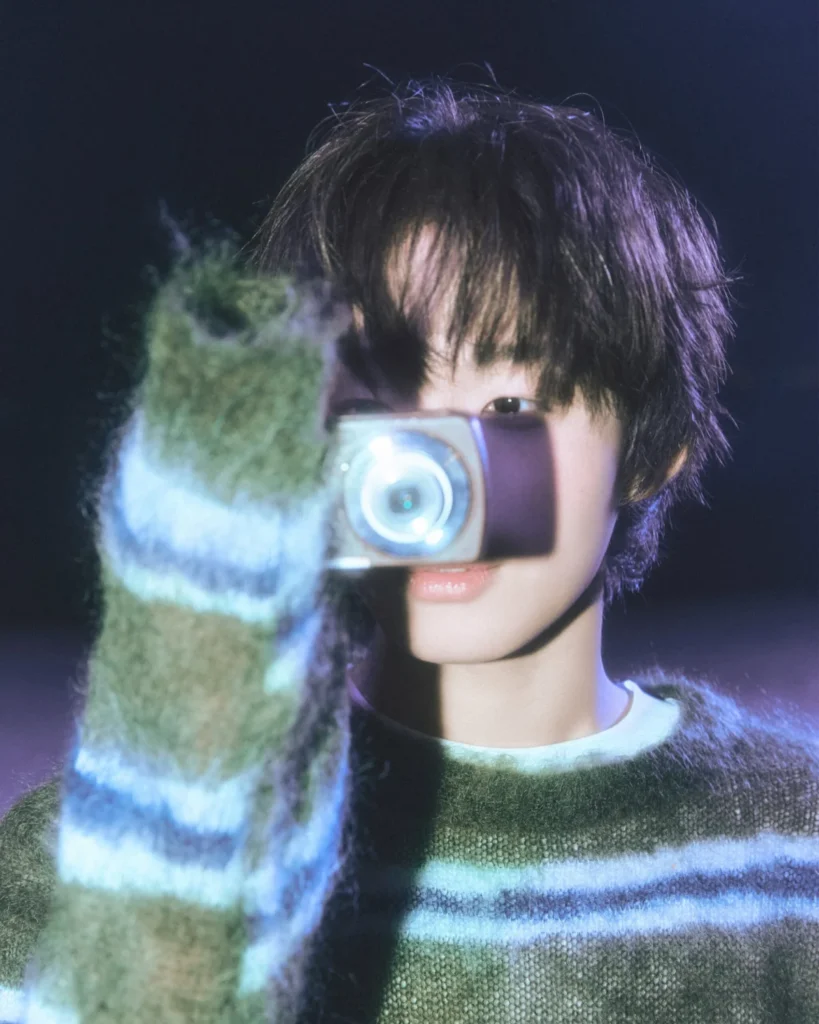
The recurring segment, "For Your Viewing Pleasure," consistently offers a curated glimpse into the dynamic visual landscape of K-pop, often highlighting prevalent fashion trends and stylistic choices adopted by the industry’s most influential figures. This installment draws particular attention to a pattern that, despite its apparent simplicity, possesses an unparalleled staying power in the fashion world: stripes. Far from being a fleeting trend, stripes periodically resurface with renewed vigor, proving their adaptability and timeless appeal across various aesthetics, from high fashion runways to everyday street style, and notably, within the vibrant realm of K-pop.

The intrinsic versatility of stripes allows for myriad interpretations, making them a staple in any wardrobe. The selection of images curated for this feature underscores this adaptability, showcasing how subtle variations in shade, width, orientation, and garment type can completely transform the pattern’s impact. From the understated elegance of fine lines to the bold statement of broader bands, stripes offer a rich canvas for expression. The featured idols and actors exemplify this diversity, each presenting a distinct approach to incorporating stripes into their personal or promotional styling, effectively demonstrating why this classic motif continues to captivate.
The Historical Trajectory of Stripes in Fashion

To fully appreciate the enduring presence of stripes in contemporary K-pop, it is crucial to understand their rich and often contradictory history in global fashion. Historically, stripes have carried significant symbolic weight. In medieval Europe, striped clothing was often associated with outcasts, jesters, or those on the fringes of society, a visual marker of difference and even dishonor. However, this perception began to shift dramatically with the rise of the maritime industry. The Breton stripe, with its distinctive horizontal navy and white bands, was introduced as the official uniform for French navy seaman in 1858. Its practicality, visibility, and crisp aesthetic quickly transcended its utilitarian origins.
The 20th century witnessed a radical transformation of stripes’ cultural standing, largely thanks to fashion pioneers like Coco Chanel. Inspired by the practical elegance of sailor uniforms observed during her holidays, Chanel introduced the Breton stripe into her collections in the early 1900s, elevating it from workwear to a symbol of sophisticated leisure and liberation for women. This moment was pivotal, rebranding stripes as a chic, effortless, and distinctly modern pattern. Subsequent decades saw stripes integrated into various subcultures and styles: the mod aesthetic of the 1960s, the rebellious punk movement, and the corporate power dressing of the 1980s, where the pinstripe suit became synonymous with business acumen. Today, stripes are universally accepted as a fundamental design element, capable of conveying anything from casual ease to formal authority, depending on their execution.

Stripes in K-Pop: A Chronology of Style
The integration of stripes into K-pop fashion mirrors this broader historical evolution, adapting to the genre’s fluctuating aesthetics across different generations.

- 1st and 2nd Generation K-Pop (Late 1990s – Mid 2000s): In the nascent stages of K-pop, stripes often appeared in a relatively conservative manner, frequently as part of preppy school uniform concepts or clean-cut idol aesthetics. Think of early groups like S.E.S. or H.O.T., where stripes might adorn polo shirts, sweaters, or skirts, contributing to a youthful, wholesome, and often synchronized group image. The focus was on cohesion and a generally approachable style, with stripes serving as a simple yet effective pattern for visual interest without being overly distracting.
- 3rd Generation K-Pop (Mid 2000s – Mid 2010s): As K-pop gained international traction and its concepts became more diverse, so too did its use of stripes. This era saw a greater experimentation with patterns, colors, and textures. Groups like Girls’ Generation, EXO, and SHINee might incorporate stripes into more elaborate stage costumes, utilizing them to create optical illusions or add a dynamic edge to their performances. Stripes began to appear in conjunction with more luxurious fabrics and tailored silhouettes, reflecting a growing emphasis on high-fashion integration within K-pop styling. This period also saw the rise of streetwear influences, where striped t-shirts and hoodies became common elements in more relaxed, urban concepts.
- 4th Generation K-Pop (Mid 2010s – Present): The current generation of K-pop showcases the most expansive and nuanced application of stripes. Stylists now employ stripes with a sophisticated understanding of their psychological and aesthetic impact. From minimalist casual wear to avant-garde stage ensembles, stripes are meticulously chosen to align with specific group or individual personas. This era emphasizes personalization and the blending of high-end fashion with accessible trends, making stripes a particularly effective tool due to their inherent versatility. The artists featured in this "For Your Viewing Pleasure" segment are prime examples of this contemporary approach.
Contemporary Interpretations: A Detailed Look
The curated images offer a spectrum of how stripes are currently being embraced within the K-pop and Korean entertainment sphere.

Casual Cool-Tones: Hyunjin (Stray Kids) and Kangmin (Verivery)
Both Hyunjin of Stray Kids and Kangmin of Verivery demonstrate the effortless appeal of cool-toned striped t-shirts. This particular styling choice taps into the prevalent streetwear aesthetic that dominates much of K-pop’s off-stage and casual promotional imagery. A simple striped tee, especially in muted blues, greys, or blacks, exudes an understated coolness. For idols, this look often communicates approachability and a relaxed demeanor, contrasting with their more elaborate stage personas. The subtlety of the stripes allows the individual’s charisma to shine, while the pattern adds just enough visual interest to prevent the outfit from appearing too plain. This choice is often seen in magazine spreads (such as those for Elle or Guess, frequently featuring K-pop idols) aiming for a youthful, relatable, yet stylish vibe. It underscores the enduring power of classic casual wear, elevated by the star power of its wearer.
Preppy Spring Hues: BoA and Wonpil (Day6)
BoA, a veritable icon in K-pop, and Wonpil of Day6, known for his band’s sophisticated musicality, both lean into a preppy aesthetic, perfectly suited for spring with soft blossom hues. This interpretation often involves finer stripes, typically on button-down shirts or knitwear, in pastel or light, airy colors. The preppy style, with its connotations of neatness, sophistication, and timeless charm, is a consistent undercurrent in K-pop fashion. For BoA, it speaks to her mature elegance and enduring influence, presenting a polished yet comfortable image. For Wonpil, it complements Day6’s often heartfelt and melodious concepts, portraying a gentle and artistic sensibility. This style often finds its place in pictorials for lifestyle magazines or promotional content that emphasizes a refined, accessible charm, aligning with the "spring refresh" narrative often seen in fashion editorials (e.g., Harper’s Bazaar features). The soft colors and clean lines of these striped garments evoke a sense of optimism and renewal, making them ideal for the changing seasons.

Cozy Comfort: Keiju (KickFlip)
Keiju of KickFlip embraces a different facet of striped fashion with a slouchy, moss-coloured jumper. This styling choice highlights the comfort and warmth that stripes can bring, especially in knitwear. The "slouchy" fit suggests a relaxed, approachable, and perhaps even artistic persona. The moss green color adds an earthy, natural tone, differentiating it from more common black-and-white or navy-and-white stripes. This look often appears in candid shots, behind-the-scenes content, or during colder seasons, prioritizing comfort without sacrificing style. It also aligns with the growing trend of "hygge" or comfort-focused fashion, where tactile materials and relaxed silhouettes are highly valued. For an idol, this look can project a relatable, down-to-earth image, inviting a sense of warmth and familiarity.
Sharp Professionalism: Yoo Yeon-seok
Actor Yoo Yeon-seok exemplifies the classic, sharp application of stripes through a crisp shirt and tie. In the realm of Korean entertainment, actors often cultivate a more mature and refined image compared to idols, and tailored stripes are a quintessential element of this aesthetic. Pinstripes or thin, vertical stripes on a dress shirt create a lengthening effect and convey a sense of professionalism, authority, and meticulous attention to detail. This look is a staple for formal events, press conferences, and character portrayals in dramas where a sophisticated or authoritative appearance is required. The precision of the stripes, combined with the structured silhouette of a well-fitted shirt and tie, underscores a sense of gravitas and timeless elegance, often featured in high-end fashion spreads or promotional materials for film and television.

Playful & Accessory-Focused: Yuna (Itzy)
A special mention must be reserved for Yuna of Itzy, whose styling offers a delightful and unexpected twist with fluffy striped slipper socks perfectly matching her pretty pastel outfit. This playful approach showcases how stripes can be incorporated beyond primary garments, extending to accessories to create a cohesive yet whimsical look. For a group like Itzy, known for their vibrant energy and youthful concepts, such details are crucial in building a distinctive visual identity. The "fluffy" texture adds an element of softness and fun, while the pastel colors align with a cheerful and endearing aesthetic. This demonstrates a sophisticated understanding of styling, where even seemingly minor accessories are thoughtfully chosen to amplify the overall concept and add a touch of personality and charm, often seen in fan-focused content or magazine shoots that aim for a fresh, spirited vibe.
Broader Impact and Implications for K-Pop Fashion

The continued prominence of stripes in K-pop fashion is not merely coincidental; it reflects several key aspects of the industry’s strategic approach to styling and branding.
- Stylists’ Strategic Choices: K-pop stylists, working for agencies like JYP Entertainment (as cited in the original article) or BApal Entertainment and Jellyfish Entertainment, are highly skilled at utilizing patterns like stripes to define group concepts, highlight individual personas, and create memorable looks. The choice of stripe—its width, color, orientation, and integration into a garment—is a deliberate decision. Vertical stripes can elongate, horizontal stripes can broaden, and diagonal stripes can add dynamism, all used to sculpt the visual narrative of an idol or group.
- Brand Collaborations and Global Influence: The inclusion of brands like Guess and the feature in magazines such as Elle and Harper’s Bazaar indicate the significant crossover between K-pop and mainstream global fashion. When idols wear striped garments from these brands, it amplifies the pattern’s visibility and desirability, influencing trends among their vast international fanbase. This symbiotic relationship elevates both the K-pop artists as fashion icons and the brands themselves.
- Fan Engagement and Emulation: K-pop fashion is highly influential, and fans often seek to emulate the styles of their favorite idols. The ubiquity and accessibility of striped garments make them an easy and affordable way for fans to participate in K-pop fashion trends. This democratizing effect ensures stripes remain a popular and visible element within the broader fan culture.
- Sustainability and Timelessness: In an era increasingly conscious of sustainable fashion, the timelessness of stripes offers an inherent advantage. Garments featuring classic striped patterns are less likely to fall out of style quickly, encouraging longevity in wardrobes and reducing the rapid cycle of trend-driven consumption. For idols and their agencies, investing in such pieces can be a practical choice that offers enduring style value.
In conclusion, the "For Your Viewing Pleasure" segment effectively illustrates that stripes are far more than a simple pattern in K-pop fashion; they are a versatile, historically rich, and strategically deployed element that continues to shape the visual identity of artists across various genres and concepts. From the casual cool of a striped tee to the sophisticated lines of a pinstriped suit, and from playful accessories to elegant spring ensembles, stripes remain a powerful and adaptable tool in the ever-evolving, visually driven landscape of Korean entertainment. Their enduring appeal is a testament to their ability to transcend transient trends, solidifying their status as an indispensable classic in the global fashion lexicon, continuously reinterpreted and celebrated through the lens of K-pop.
Related News