IU And Byeon Woo Seok’s K-Drama Hit With Scathing Reviews
Article Editorial Team
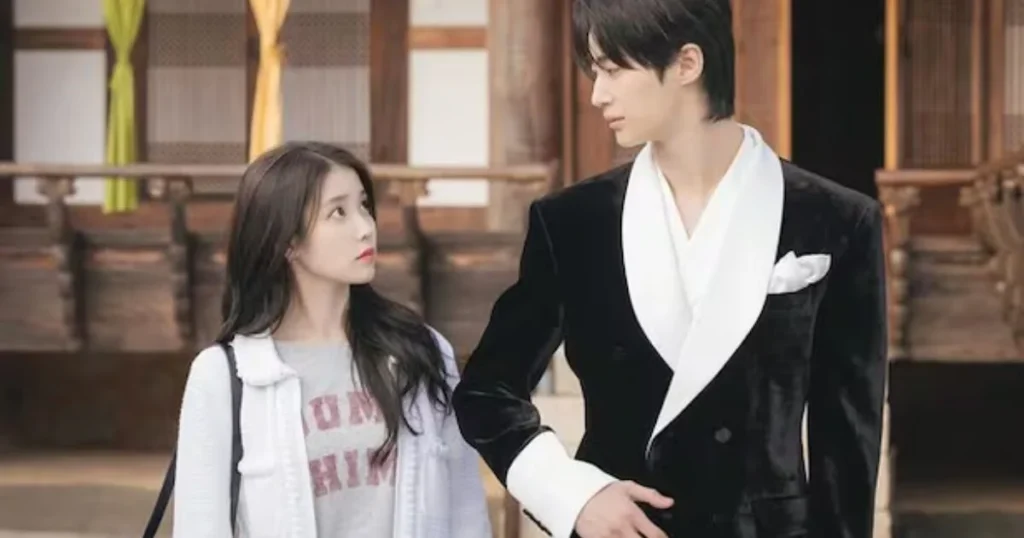
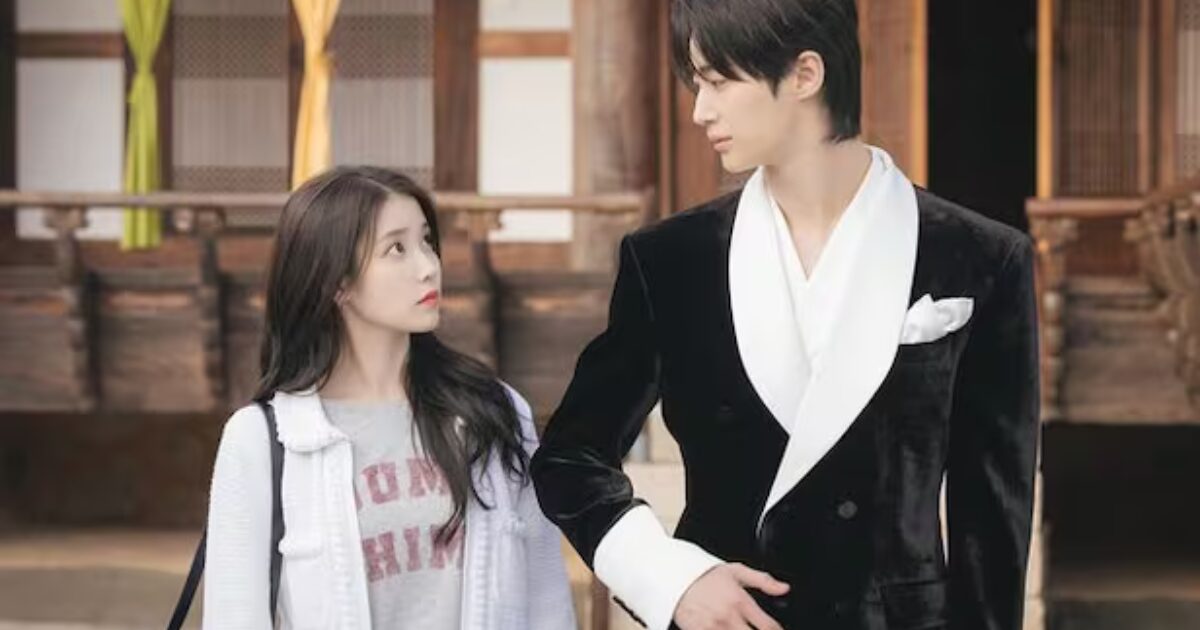
The highly anticipated K-drama Perfect Crown, starring two of South Korea’s most prominent figures, singer-actress IU (Lee Ji-eun) and rising star Byeon Woo-seok, premiered on April 10, KST, to a surprisingly polarized and largely critical reception. Despite significant pre-release buzz surrounding its star-studded cast and a script lauded as a winner in a prestigious screenwriting contest, initial reactions from viewers on prominent online community platforms have highlighted concerns regarding its narrative coherence and overall execution.
The Premiere and Immediate Public Response
Perfect Crown launched its inaugural episode amidst considerable excitement, largely fueled by the casting of IU, a celebrated artist with a robust acting portfolio including critically acclaimed series like My Mister and commercial hits such as Hotel Del Luna, and Byeon Woo-seok, who has recently garnered significant attention for his compelling performances in dramas such as Strong Girl Nam-soon. The pairing of these two actors, each bringing a distinct appeal and fanbase, set a high bar for the drama’s potential success. Industry analysts and K-drama enthusiasts alike had pegged Perfect Crown as a potential breakout hit of the season, a sentiment further amplified by the script’s origin as a contest winner, often seen as a mark of fresh, innovative storytelling.
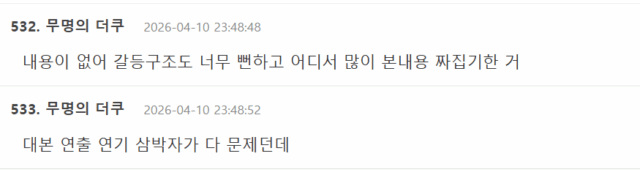
However, the immediate aftermath of the premiere revealed a stark contrast to these lofty expectations. Within hours of its broadcast, discussions began to surface across various South Korean online community sites, most notably on Theqoo, a highly influential platform where public sentiment often coalesces and trends are formed. A viral post on Theqoo quickly became the epicenter of critical discourse, accumulating over 70,000 views and hundreds of comments within a short period, signaling widespread dissatisfaction.
Deep Dive into the Criticisms: Script, Direction, and Acting
The core of the criticism, as articulated by the original poster (OP) on Theqoo and echoed by a significant majority of subsequent commenters, revolved around the drama’s foundational elements. The OP’s detailed critique underscored a fundamental lack of plausibility within the narrative, coupled with a chaotically disjointed flow that made it difficult for viewers to immerse themselves in the story. This assessment was particularly damning given the script’s award-winning status.
The OP explicitly ranked the drama’s weakest elements in a specific order: script, direction, and then acting. This prioritization suggests that while the performances of IU and Byeon Woo-seok were not entirely spared from criticism, they were largely seen as secondary issues, potentially exacerbated by the more fundamental flaws in the writing and directorial choices.
Script Under Scrutiny: Plausibility and Narrative Flow
The critique regarding the script’s lack of plausibility is a significant concern for any dramatic production, especially in the context of K-dramas, which often blend elements of fantasy, romance, and realism. Viewers expect a certain internal logic, even within fantastical settings. A lack of plausibility could manifest in several ways: characters making illogical decisions, plot conveniences that strain belief, an inconsistent world-building, or scenarios that simply do not resonate with human experience despite the genre. For a script that supposedly won a competition, this criticism implies a potential disconnect between its conceptual strength and its practical execution on screen. Scriptwriting contests typically reward originality, character depth, and thematic resonance. If these qualities are not translating into a believable on-screen narrative, it suggests a significant challenge in the adaptation process or inherent weaknesses that were not apparent in written form.

The accusation of a "chaotically disjointed" narrative flow further compounds the script’s perceived issues. This can refer to poor pacing, where scenes feel rushed or drag unnecessarily; abrupt transitions between plot points or character arcs; or an overall lack of cohesion that leaves viewers struggling to follow the story’s progression. In an industry where storytelling prowess is paramount, a disjointed narrative can quickly alienate an audience, regardless of star power. It can also indicate issues with editing, where the final cut fails to smooth out rough narrative edges, or a directorial vision that struggles to unify disparate plot threads.
Directional Choices and Their Impact
While the script was pinpointed as the weakest link, the direction was ranked second. Direction in K-dramas plays a crucial role in bringing the script to life, setting the tone, guiding actor performances, and establishing visual aesthetics. If the direction is perceived as weak, it might imply a failure to effectively translate the written word into compelling visuals, an inability to create a cohesive atmosphere, or a lack of nuanced guidance for the actors. For instance, awkward camera angles, uninspired scene blocking, or an inconsistent visual style could contribute to a feeling of disconnect and exacerbate the script’s narrative issues, making an already implausible story even harder to accept. Poor direction can also hinder character development by failing to capture emotional subtleties or crucial reactions.
Acting Performances: A Point of Contention
The acting by the lead stars, IU and Byeon Woo-seok, also came under fire, albeit as a tertiary concern compared to the script and direction. For IU, an actress who has consistently received praise for her range and emotional depth, this criticism is particularly noteworthy. Viewers often hold high expectations for her performances, expecting a nuanced portrayal that elevates the material. Early criticisms might point to a perceived lack of chemistry with her co-star, an inability to convincingly portray her character’s emotions given the script’s limitations, or a performance that felt uncharacteristically stiff or unengaging.
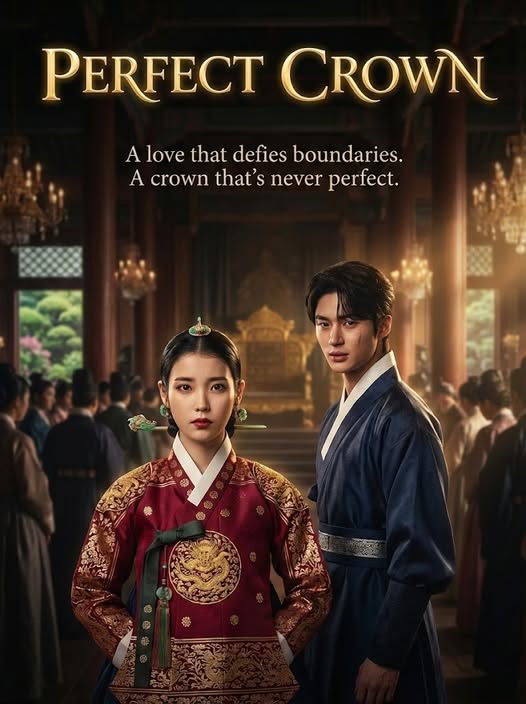
Similarly, for Byeon Woo-seok, who is at a critical juncture in his career, taking on a lead role in such a high-profile drama presents both immense opportunity and significant pressure. Criticism of his acting might center on his emotional delivery, his screen presence in a leading capacity, or his ability to carry the narrative weight expected of a male lead. It is important to note that actors are often constrained by the quality of the script and direction they receive. Even the most talented performers can struggle to shine when working with weak material or under uninspired direction. Thus, the criticism of their acting could be intrinsically linked to the broader issues identified in the script and directorial choices.
The Weight of Expectations: A Double-Edged Sword
One of the recurring themes in the online discourse was the immense weight of pre-release expectations. As mentioned by the OP, the fact that the script was a "winner of a scriptwriting contest" had cultivated significant anticipation among drama fans who hoped for a fresh and high-quality narrative. This heightened expectation, combined with the star power of IU and Byeon Woo-seok, arguably set the drama up for a potentially harsh fall if it didn’t immediately deliver.
In the fast-paced K-drama industry, first impressions are crucial. Viewers often decide whether to continue watching a series based on its premiere episode. When a drama fails to meet pre-established high expectations, the disappointment can be amplified, leading to more vocal and widespread criticism. This phenomenon is not unique to Perfect Crown; many highly anticipated dramas have faced similar initial backlashes when they did not immediately live up to the hype. The sheer volume of views (70,000+) and comments on Theqoo’s critical post clearly indicate that a significant portion of the audience felt let down.
Counterarguments and Defense of the Drama

Despite the deluge of negative feedback, a segment of the audience emerged to defend Perfect Crown. The most common argument put forth by these viewers was that it was "only the first episode." This perspective suggests that judging an entire series based on its premiere is premature and unfair. Many dramas, especially those with complex plots or slow-burn character development, often require a few episodes to truly find their footing and unfold their full potential. Proponents of this view advocate for patience, urging fellow viewers to give the drama more time to develop before delivering a final verdict.
Another point raised by those defending the drama was that the problem might not lie with the drama itself, but rather with the "high expectations around it." This argument posits that the intense anticipation, fueled by the celebrity status of the leads and the award-winning script, may have created an unrealistic benchmark that no drama could realistically meet from its first episode. Some viewers might have found the initial episode perfectly acceptable or even enjoyable, but felt compelled to temper their opinions in the face of overwhelming criticism or found their own mild enjoyment overshadowed by the broader narrative of disappointment.
Broader Implications for the K-Drama Industry
The swift and strong negative reaction to Perfect Crown‘s premiere has several broader implications for the K-drama industry. Firstly, it underscores the increasing power of online communities and social media in shaping public opinion. Platforms like Theqoo act as real-time barometers of audience sentiment, and a viral post, whether positive or negative, can significantly influence a drama’s trajectory, affecting viewership numbers and subsequent critical discourse. Production companies and broadcasting networks are increasingly attentive to these immediate reactions, often adjusting promotional strategies or even plotlines in response to early feedback.
Secondly, the criticism directed at an award-winning script raises questions about the selection process for these contests and the subsequent development phase. While contests are vital for discovering new talent, the transition from a written script to a visual medium requires meticulous adaptation, skilled direction, and a clear vision. If a lauded script fails in its on-screen execution, it suggests a potential gap in the collaborative process between writers, directors, and producers. This could prompt future reviews of how award-winning scripts are nurtured and developed into full-fledged productions, emphasizing the need for robust pre-production and careful adaptation.
Thirdly, for the lead actors, IU and Byeon Woo-seok, early negative reviews can create significant pressure. While their established fanbases may offer initial support, sustained criticism can impact public perception and future casting opportunities. For IU, whose reputation as a versatile actress is well-established, this might be a minor blip, but it still represents a challenge to her consistent track record. For Byeon Woo-seok, an actor on the cusp of major stardom, Perfect Crown was a critical opportunity, and the early reception puts him in a difficult position, requiring him to deliver exceptionally strong performances in subsequent episodes to counteract the initial impression.
Finally, the incident highlights the highly competitive nature of the K-drama market. With a plethora of dramas released weekly across various platforms, audiences have an abundance of choices. This means that dramas must capture and maintain viewer interest almost immediately. A faltering start, particularly one amplified by widespread online criticism, can lead to a rapid decline in viewership and engagement, making it challenging for the series to recover its initial momentum.
Conclusion
The premiere of Perfect Crown featuring IU and Byeon Woo-seok has ignited a fervent debate within the K-drama community. While the star power and the promise of an award-winning script had set high expectations, the initial episode has been met with significant criticism concerning its narrative plausibility, disjointed flow, and the execution of its direction and acting. While some viewers advocate for patience and acknowledge the pressure of high expectations, the widespread and rapid negative feedback on platforms like Theqoo underscores the critical role of online communities in shaping a drama’s early reception. The coming weeks will be crucial for Perfect Crown as it attempts to address these initial concerns and win over a skeptical audience, navigating the challenging landscape of a highly competitive and discerning K-drama market. The ability of the production team and the cast to adapt and improve in subsequent episodes will ultimately determine the drama’s long-term success and its place in the annals of K-drama history.
Related News