Wasn’t he said to have 10 years of experience?
Article Editorial Team
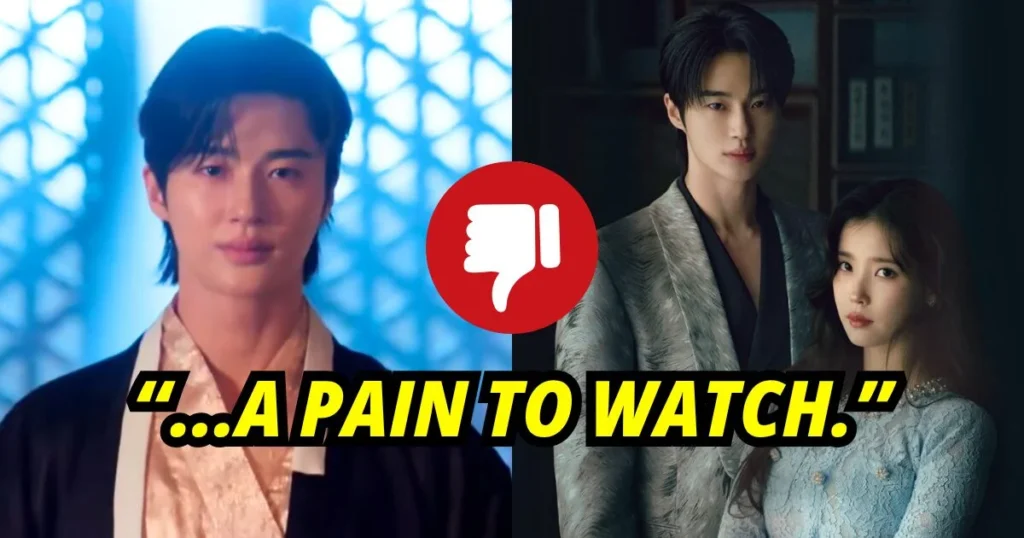
The highly anticipated drama series Perfect Crown, which premiered on April 10, 2026, KST, has quickly become the subject of intense public discourse, not solely for its intricate plot but primarily for the acting performance of its male lead, Byun Woo Seok. Despite significant pre-release hype surrounding the star-studded cast, which includes veteran actress IU, the initial episodes have drawn sharp criticism from netizens, particularly concerning Byun Woo Seok’s portrayal of a prince in an alternative constitutional monarchy. The immediate backlash, especially highlighted by the viral query "Wasn’t he said to have 10 years of experience?", underscores a growing public demand for acting prowess commensurate with star power in the competitive landscape of South Korean television.
"Perfect Crown" Unveiled: A Royal Premise Meets Reality
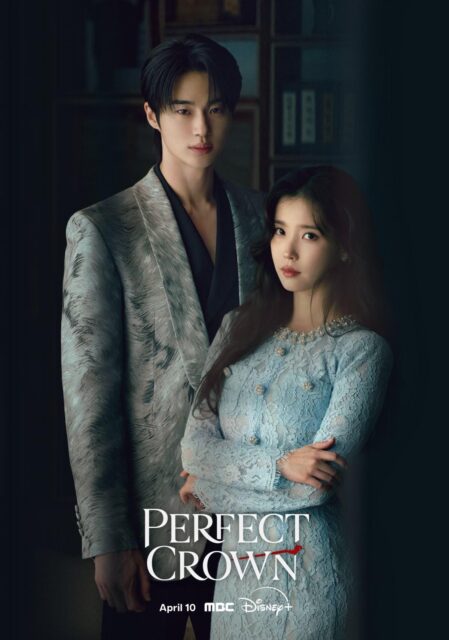
Perfect Crown entered the K-drama scene with considerable expectations. Produced by Studio Dragon and directed by a critically acclaimed helmer, the series promised a fresh take on historical fantasy, set in an alternate universe where Korea maintains a constitutional monarchy. The narrative centers on Seong Hui Ju, played by the immensely popular and critically lauded IU, a chaebol heiress grappling with her commoner status despite her family’s immense wealth, and a prince, portrayed by Byun Woo Seok, who possesses little beyond his royal title. This intriguing premise, blending political intrigue, social commentary, and a budding romance, initially garnered significant interest from both domestic and international audiences. Early promotional materials highlighted the drama’s lavish production design, intricate costumes, and a compelling script, setting the stage for what many hoped would be a breakout hit for the spring season. The casting of IU, known for her versatile acting range and consistent success in both music and drama, further amplified anticipation, leading many to believe Perfect Crown was destined for high ratings and critical acclaim. However, the first episode, broadcast on April 10, quickly revealed cracks in this seemingly perfect facade, with initial critiques focusing on perceived inconsistencies in the plot and pacing. These early narrative concerns, while notable, soon became overshadowed by a more pointed and widespread criticism directed at the performance of one of its lead actors.
The Actor Under Scrutiny: Byun Woo Seok’s Performance
The most significant wave of criticism following the premiere of Perfect Crown has been directed squarely at Byun Woo Seok’s acting. Online forums and social media platforms buzzed with discussions dissecting his performance, particularly in comparison to his more experienced co-stars. Clips of his scenes quickly went viral, fueling a debate over his suitability for such a prominent role. One widely circulated video juxtaposed his performance with that of Gong Seung-yeon, who plays a supporting role in the series. Netizens noted a stark contrast, with comments such as "Gong Seung-yeon moving every muscle in her face then there’s Byeon Wooseok daydreaming. The acting gap is a pain to watch" gaining significant traction. This particular critique highlighted a perceived lack of emotional depth and expressive range in Byun Woo Seok’s portrayal of the prince, suggesting a disconnect between his character’s internal struggles and his external delivery.
Further intensifying the debate, another clip featuring Byun Woo Seok alongside IU also garnered critical reactions. Viewers pointed out that while IU delivered a nuanced and powerful performance, Byun Woo Seok’s acting appeared comparatively flat, leading to accusations that his success was primarily attributable to his striking visuals rather than his acting ability. This sentiment was encapsulated in a viral tweet stating, "male kdrama actors just get famous for their height like imagine if it was a female actor doing this same acting," which resonated with many who felt a double standard existed in the industry, where male leads might be given more leeway based on their physical attributes. The pervasive question "Wasn’t he said to have 10 years of experience?" became a recurring refrain, reflecting public confusion and disappointment given the high expectations often associated with actors boasting a decade in the industry. This question implies that a performer with such extensive experience should exhibit a more polished and compelling acting style, a benchmark Byun Woo Seok was, in the eyes of many, failing to meet. The criticism suggests that while he may possess the visual appeal often sought after in K-dramas, his technical skill and emotional conviction are yet to catch up to the demands of a complex leading role opposite seasoned talents like IU.
A Decade of Experience: Byun Woo Seok’s Career Trajectory
The central question circulating among viewers, "Wasn’t he said to have 10 years of experience?", delves into the depth of Byun Woo Seok’s professional background and the expectations it naturally generates. Born in 1991, Byun Woo Seok officially debuted as a model in 2010, initially gaining recognition on fashion runways and in editorial spreads. His transition into acting began in 2016, marking a decade of active involvement in the entertainment industry by the time Perfect Crown premiered. Over these ten years, he steadily built a filmography, primarily taking on supporting roles in various dramas and films.

His early acting credits included appearances in popular series such as Moon Lovers: Scarlet Heart Ryeo (2016) and Weightlifting Fairy Kim Bok-joo (2016), where he played minor characters. These roles, while not central, allowed him to gain exposure and experience on set. He gradually progressed to more significant supporting parts in dramas like Flower Crew: Joseon Marriage Agency (2019) and Record of Youth (2020), where he played characters that, while not leads, had distinct personalities and contributed meaningfully to the plot. These roles often showcased his charming visuals and ability to portray charismatic, if sometimes emotionally reserved, figures. His performance in Strong Girl Nam-soon (2023) as a villain marked a turning point, earning him praise for stepping out of his comfort zone and demonstrating a darker, more complex side to his acting. This role was widely seen as a significant step forward, suggesting a growing maturity in his craft and the potential for him to tackle more challenging characters.
The role in Perfect Crown was anticipated to be his definitive breakout as a male lead in a major production, positioning him opposite one of the industry’s most respected figures, IU. Given his trajectory – from modeling to minor roles, then to memorable supporting characters, and finally to a lead in a high-profile drama – the "10 years of experience" implies a natural progression towards refined acting skills. Industry insiders and fans alike often interpret such longevity as an indicator of a performer’s dedication, growth, and accumulated expertise in delivering nuanced performances. This historical context makes the current criticism particularly salient. The expectation was that a decade in the industry would have equipped him with the emotional range, technical precision, and stage presence necessary to anchor a complex character like a prince in a demanding fantasy setting. The online discourse, therefore, highlights a perceived gap between this accumulated experience and the performance delivered in Perfect Crown, prompting a reevaluation of what "experience" truly signifies in the context of K-drama acting and whether consistent progression always translates into leading role readiness.
Netizen Reactions and the Social Media Echo Chamber
The rapid spread of criticism against Byun Woo Seok’s acting in Perfect Crown exemplifies the powerful and often unforgiving nature of social media and online forums in contemporary South Korean entertainment. Within hours of the drama’s premiere, clips featuring his performance began to circulate across platforms like X (formerly Twitter), Instagram, and prominent Korean online communities such as TheQoo and Pann. These platforms acted as an echo chamber, amplifying initial observations into widespread condemnation.
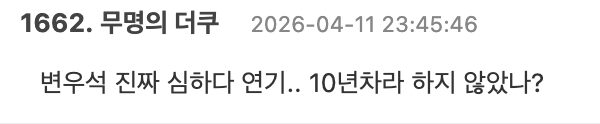
The nature of netizen commentary varied, ranging from constructive criticism pointing out specific deficiencies in expression and delivery to overtly harsh remarks questioning his talent and career trajectory. Many comments highlighted the visual disparity between Byun Woo Seok and his co-stars, particularly IU and Gong Seung-yeon. Viewers observed that while the female leads conveyed intricate emotions through subtle facial movements, vocal inflections, and body language, Byun Woo Seok’s portrayal of the prince often appeared static or emotionally muted. This led to accusations of "wooden acting" or "lack of depth," terms frequently used in Korean online communities to describe performances deemed unconvincing.
A significant portion of the debate revolved around the perceived double standard within the K-drama industry. The argument that male actors, particularly those with striking visuals and tall physiques, often ascend to lead roles despite perceived acting limitations, while female actors face more rigorous scrutiny, resonated strongly. This sentiment, as expressed in the viral tweet, "male kdrama actors just get famous for their height like imagine if it was a female actor doing this same acting," fueled a broader discussion about fairness and meritocracy in casting decisions. Some netizens argued that if a female actor delivered a performance of similar perceived quality, her career would face immediate and severe repercussions, whereas male counterparts might be more easily forgiven due to their "star appeal."
While a majority of the comments leaned towards harsh criticism, a smaller faction of netizens expressed more moderate views, describing his acting as "okay at best" or suggesting that he might improve as the series progresses. These milder reactions, however, were largely drowned out by the wave of negative feedback, underscoring the immediate and often extreme reactions that can dominate online discourse following high-profile drama premieres. The intensity of these reactions reflects not only specific disappointment with Byun Woo Seok’s performance but also a broader cultural expectation for K-drama leads to deliver exceptional acting that matches their popularity and the significant production budgets of these series. The social media echo chamber ensured that these criticisms quickly coalesced into a significant public relations challenge for Perfect Crown and its lead actor.
Industry Perspectives and Broader Implications
The immediate and intense criticism directed at Byun Woo Seok’s acting in Perfect Crown carries significant implications for both the drama and his career. In the highly competitive K-drama market, early reception often dictates a show’s trajectory, impacting viewership ratings, advertising revenue, and subsequent media coverage. While Perfect Crown boasts a strong cast and an engaging premise, early acting controversies can deter potential viewers and create a negative perception that is difficult to reverse.
For the drama’s production company, Studio Dragon, and its broadcast network, the challenge lies in managing public perception while ensuring the series maintains its quality. Industry analysts suggest that production teams closely monitor online sentiment, especially in the initial weeks, to gauge audience engagement and identify areas for potential adjustment, although major script or acting overhauls are rarely feasible mid-season. An anonymous source from a competing production house commented, "The pressure on a male lead in a highly anticipated drama, especially one with a strong female lead like IU, is immense. Viewers expect a balanced performance, and any perceived weakness can quickly become a talking point that overshadows the entire production."
The implications for Byun Woo Seok’s career are particularly weighty. While a single role’s criticism does not necessarily define an actor’s entire career, a prominent backlash in a leading role can significantly impact future casting opportunities and public image. His agency, VARO Entertainment, is likely engaged in strategic damage control, focusing on reinforcing his dedication to the role and the drama. While no official statement directly addressing the criticisms has been released, agencies typically emphasize the actor’s hard work and commitment to character development, often hinting at future improvements or deeper character arcs that will unfold. The "10 years of experience" narrative, which was previously a point of pride, now becomes a double-edged sword, setting a higher bar for his performance.
This situation also highlights a recurring industry discussion: the balance between star power, visual appeal, and demonstrable acting talent. While visuals undoubtedly play a crucial role in attracting initial audiences, sustained success in K-dramas increasingly hinges on compelling performances. The Perfect Crown scenario serves as a stark reminder that even with a decade of experience, continuous growth and the ability to meet the demands of complex, high-pressure roles are paramount. The industry will be closely watching how Byun Woo Seok’s performance evolves in subsequent episodes and how the production team navigates this early wave of critical feedback, as it could set a precedent for how similar situations are handled in future high-profile releases.

The Path Forward: Navigating Early Criticism
The initial critical reception of Byun Woo Seok’s acting in Perfect Crown presents a significant challenge for the drama and the actor alike, but it is not an insurmountable hurdle. The K-drama landscape is replete with examples of series that overcome early criticism, either through improved storytelling, stronger performances in later episodes, or the sheer compelling nature of their core narrative. Conversely, some dramas fail to recover, leading to declining viewership and fading public interest.
For Byun Woo Seok, the path forward involves demonstrating growth and responsiveness to feedback. Actors who successfully navigate such early career storms often do so by immersing themselves further into their roles, working closely with directors and acting coaches, and showing a tangible improvement in their delivery as the series progresses. This requires resilience and a deep commitment to their craft, particularly under the intense public scrutiny that accompanies a high-profile project. An enhanced focus on portraying the subtle nuances of his princely character, evolving from initial flatness to a more dynamic and emotionally resonant performance, could potentially shift public opinion.
For Perfect Crown, the longevity of the series will depend on its ability to retain viewers despite the current controversy. A strong narrative, engaging chemistry between leads (which IU is consistently praised for cultivating), and compelling performances from the supporting cast can often compensate for perceived weaknesses in one area. The production team may subtly adjust pacing or highlight specific character arcs to draw attention away from the contentious points and towards the drama’s strengths. Ultimately, the series’ success will be measured by its ability to engage audiences throughout its run, proving that a promising premise and a talented ensemble can overcome initial bumps in the road. The ongoing narrative of Perfect Crown and Byun Woo Seok’s evolving performance will serve as a case study in the volatile world of K-drama, illustrating how public opinion, critical feedback, and artistic development intersect to shape a project’s destiny.
Related News