Navigating the Global Phenomenon of K-pop Fandom Culture and the Dynamics of Digital Community Engagement
Article Editorial Team
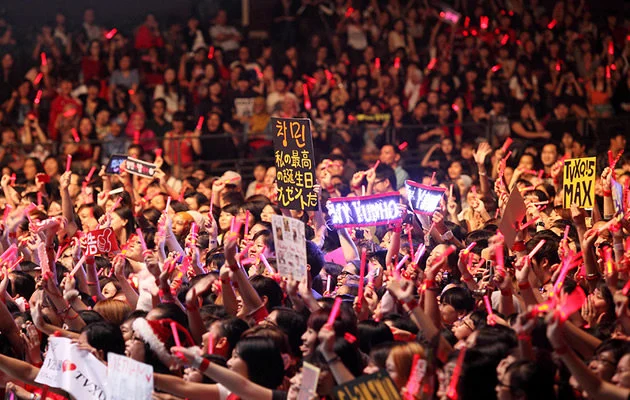
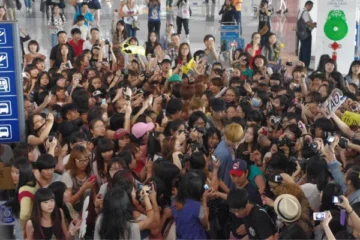
The global ascent of Korean popular music, or K-pop, has transformed from a regional subculture into a multi-billion-dollar international industry, driven largely by its highly organized and digitally savvy fanbases. While casual listeners may appreciate the music or choreography, those who delve deeper into the ecosystem encounter a complex social structure known as the "fandom." This hierarchical and often intricate community is not merely a group of consumers but a powerful socio-economic force that influences music charts, corporate strategies, and even international philanthropy. Understanding the mechanics of these fandoms—ranging from individual "biases" to the internal politics of official fan clubs—is essential for comprehending the modern music landscape.
The Hierarchical Structure of K-pop Devotion
Unlike many Western music fandoms, which often operate as a monolithic group of supporters, K-pop fandoms are characterized by a layered system of identification. At the foundational level is the general K-pop fan, an individual who consumes the genre as a whole. However, as engagement deepens, fans typically gravitate toward a specific group, becoming part of a named fandom. These names are often officially designated by the entertainment agencies; for instance, fans of the group SHINee are known as "Shawols," while fans of BTS are "ARMY," and fans of Blackpink are "Blinks."
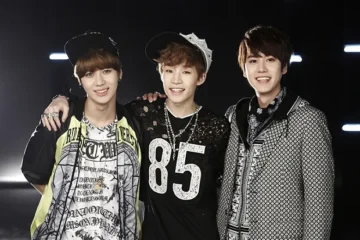
The identification process often goes a step further with the selection of a "bias"—a favorite individual member within a group. This leads to the creation of sub-fandoms. A SHINee fan might be a "Taemint" (a supporter of member Taemin) or a "Flaming Charisma" (a supporter of Minho). This granular level of devotion can lead to high levels of engagement but also introduces the potential for internal friction, particularly when "solo stans" (fans who only support one member) clash with "OT" fans (those who support the group as a whole, "One True [Number of Members]").
The Evolution of Official Fan Communities: From Cafés to Global Platforms
Historically, the center of K-pop fandom activity was the "Fan Café." Hosted on Korean web portals like Daum or Naver, these cafés served as the primary bridge between the artists and their supporters. Managed by the artists’ entertainment agencies, these platforms offered a tiered system of access. To "level up" within a café, fans often had to pass quizzes about the artist, provide proof of album purchases, and demonstrate consistent participation.
For the domestic Korean fan, the benefits of the official fan café were substantial. Membership provided exclusive access to concert pre-sales, entrance to music show recordings (such as Mnet’s M Countdown or SBS’s Inkigayo), and direct messaging boards where idols would occasionally post personal updates. However, for the international fan, the fan café presented significant barriers. The interfaces were entirely in Korean, and registration often required a Korean phone number or a resident registration number.

In response to the genre’s global expansion, the industry has shifted toward integrated global platforms. HYBE’s Weverse and SM Entertainment’s "Bubble" or "Kwangya" apps have largely superseded the traditional café model. These platforms offer multi-language support and paid membership tiers that provide global fans with the same "official" status once reserved for domestic audiences. According to industry reports, Weverse reached over 10 million monthly active users in 2023, illustrating the massive scale of these digital fan hubs.
Chronology of Fandom Development: From Balloons to Digital Streaming
The history of K-pop fandom can be divided into distinct eras that mirror the evolution of the industry itself:
- The First Generation (Late 1990s): Fandoms for groups like H.O.T. and Sechs Kies were primarily domestic and physical. Fans were identified by the color of their raincoats and balloons (white for H.O.T., yellow for Sechs Kies). Rivalries were intense, sometimes resulting in physical altercations at award shows, a phenomenon popularized in the drama Reply 1997.
- The Second Generation (Mid-2000s to Early 2010s): Groups like Girls’ Generation, BIGBANG, and Super Junior saw the rise of international "I-fans." This era saw the transition from balloons to electronic lightsticks—custom-designed, high-tech devices that synchronize via Bluetooth during concerts.
- The Third Generation (Mid-2010s to 2020): This period marked the dominance of social media. Groups like BTS and EXO leveraged Twitter (now X) and YouTube to bypass traditional Western media gatekeepers. Fandoms became organized digital marketing machines, capable of trending hashtags globally within minutes.
- The Fourth and Fifth Generations (2020–Present): Contemporary fandoms for groups like NewJeans, Stray Kids, and IVE are characterized by "metaverse" engagement, short-form content challenges on TikTok, and a high degree of data-driven activism.
Digital Labor and the Globalization of Content
One of the most unique aspects of K-pop fandom is the concept of "fan labor." Because the majority of official content is produced in Korean, the global spread of K-pop would have been impossible without an army of volunteer translators. These individuals or groups spend hours subtitling variety shows, translating social media posts, and explaining cultural nuances to non-Korean speakers.

Beyond translation, the community contributes through:
- Fansites: High-quality photography and videography of idols at public events. While controversial due to privacy concerns, these "fansites" often provide the most iconic imagery used in fan-made content.
- Editing and Fan Art: The creation of "edits" for platforms like TikTok and Instagram serves as free promotion for the artists, keeping them relevant in the fast-moving digital cycle.
- Streaming Parties: Organized efforts to play music videos or songs on repeat to ensure high rankings on Billboard, Spotify, and South Korean charts like Melon.
The Socio-Economic Power of the Collective
K-pop fandoms have matured into sophisticated philanthropic and political actors. The tradition of "rice wreaths"—where fans donate tons of rice in an artist’s name to be distributed to the needy—originated in the mid-2000s as a constructive alternative to traditional gifts. This has expanded into large-scale charitable campaigns. For example, BTS’s ARMY famously matched the group’s $1 million donation to the Black Lives Matter movement within 24 hours in 2020.
From a corporate perspective, fandoms are an invaluable asset. The "Big Four" entertainment agencies—HYBE, SM, JYP, and YG—now view fandom management as a core part of their business model. The sale of "merchandise" (merch), ranging from $50 lightsticks to $200 "season’s greetings" packages, often generates more profit than music sales or streaming royalties. The loyalty of the fandom ensures a stable revenue stream that is relatively insulated from the volatility of the general music market.

Navigating Internal Politics and the Challenges of Fandom Culture
Despite the positive aspects of community and support, K-pop fandoms are not without conflict. The same passion that drives charity can also fuel "fanwars"—aggressive online disputes between different group fanbases. These conflicts often center on chart positions, accusations of plagiarism, or perceived slights against an artist.
Furthermore, the industry grapples with the "sasaeng" phenomenon—extreme fans who engage in stalking and privacy invasion. Agencies have increasingly taken legal action against such individuals, but the line between "devoted fan" and "obsessive stalker" remains a point of contention in the digital age. There is also the issue of "fandom politics," where certain fan groups may attempt to boycott an artist’s activity if they disagree with a company’s management decisions or an artist’s personal life choices, such as dating.
Implications for the Future of Global Entertainment
The K-pop fandom model is currently being studied and emulated by Western artists and corporations. The shift from "broadcasting" to "narrowcasting"—focusing on a highly engaged, niche community rather than the general public—is a hallmark of the K-pop strategy that is now becoming a global standard.

As technology advances, the integration of Artificial Intelligence and virtual idols (such as the group MAVE: or PLAVE) is creating new frontiers for fandom interaction. These developments suggest that the K-pop fandom is not just a passing trend but a blueprint for the future of digital community and consumer engagement.
In conclusion, becoming part of a K-pop fandom is an entry into a multifaceted world that offers more than just musical appreciation. It is a space for creative expression, social activism, and global connection. While the internal politics and high expectations can be daunting for newcomers, the sense of belonging and the collective power of these groups continue to be the primary engine driving the "Korean Wave" across the globe. As the industry continues to innovate, the relationship between the artist, the agency, and the fan will remain the most critical factor in the genre’s enduring success.
Related News