4th Gen Idol Stuck Overseas After Agency Abandons Him…Again
Article Editorial Team
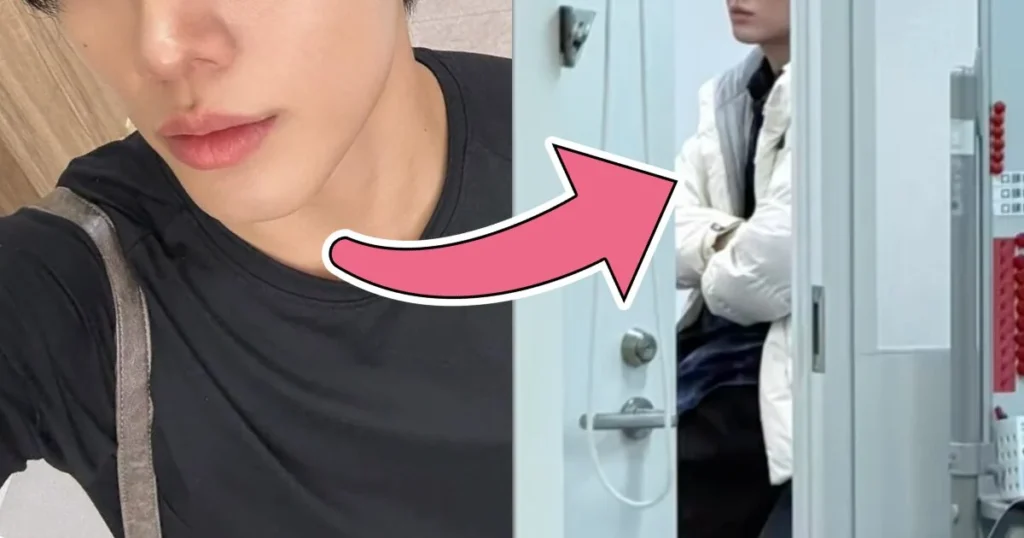
The recurring plight of Ghost9 member Prince, a Thai idol under Maroo Entertainment, has once again drawn significant attention to the often-overlooked vulnerabilities of K-Pop artists, particularly those from overseas. What began as a routine group activity in Japan quickly escalated into a distressing saga for Prince, who found himself stranded and forced to navigate complex international travel logistics without the expected support from his management agency. This incident marks a disturbing pattern, following a similar situation where the agency’s alleged negligence led to his forced return to Thailand due to an expired visa. The latest events have ignited a fresh wave of concern among fans and industry observers, raising critical questions about artist welfare, agency responsibilities, and the systemic challenges faced by foreign idols in the highly competitive K-Pop landscape.
A Troubling Pattern of Negligence: The Japan Incident Unfolds
The most recent ordeal for Prince commenced during Ghost9’s scheduled events in Japan. While the initial travel to Japan appeared to proceed without major complications, albeit with a brief detention at the airport for Prince that was reportedly resolved, the real crisis unfolded as the group prepared for their return journey to South Korea. According to Prince’s own account, shared through social media, he discovered his passport missing just prior to the scheduled flight. In a shocking turn of events, the rest of Ghost9, along with their management team, reportedly departed on the planned flight, leaving Prince behind in Japan to manage the situation entirely on his own.
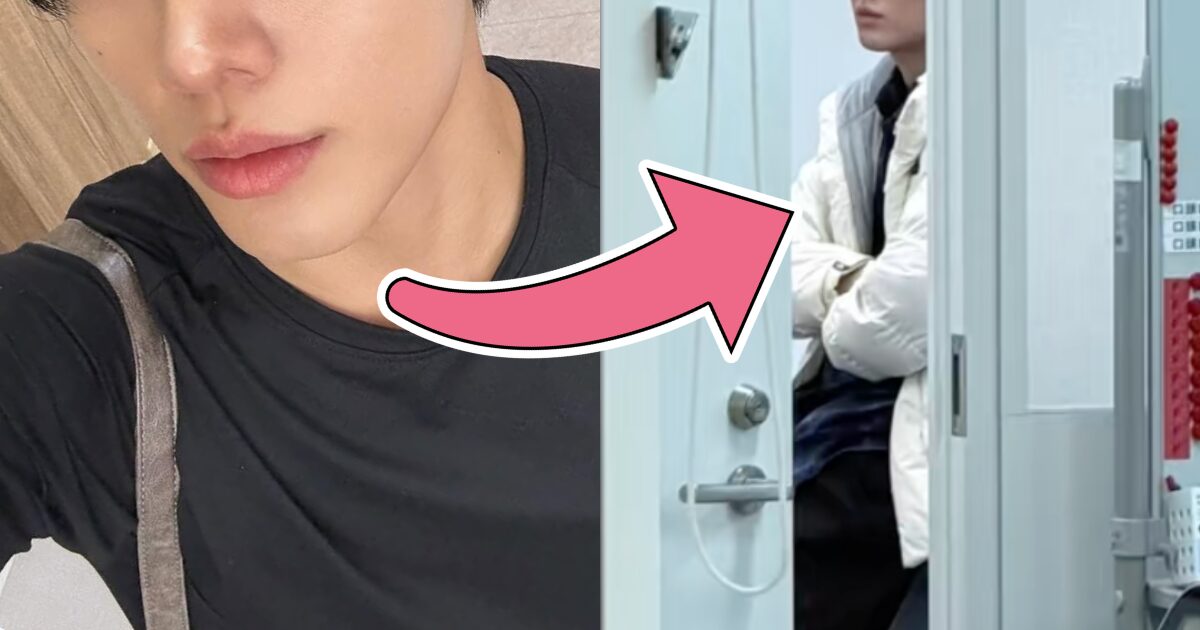
Isolated and without immediate institutional support, Prince was compelled to take matters into his own hands. He recounted resorting to "googling" for information on how to proceed, a testament to the severe lack of guidance from his agency. Following his independent research, he took steps to secure an emergency passport, a process that typically involves contacting one’s national embassy or consulate abroad. Despite successfully obtaining the necessary travel document, he subsequently discovered he was still unable to immediately return to Korea, presumably due to complex visa or entry requirements that an emergency passport might not instantly satisfy, or further logistical hurdles in securing a new flight.
Facing this unforeseen predicament and the apparent abandonment by his agency, Prince reportedly informed Maroo Entertainment of his intention to return to his home country, Thailand. After spending an unspecified period keeping busy in Japan while awaiting resolution or alternative travel arrangements, he eventually commenced his journey back to Thailand. However, his ordeal was far from over. Upon arrival at his home country, he was reportedly detained once more, the specifics of which remain unclear but add another layer of distress to an already harrowing experience. This sequence of events paints a stark picture of an artist left to fend for himself in a foreign country, navigating bureaucratic hurdles and travel complexities that are ordinarily the purview of professional management.
The Precedent: A History of Agency Negligence
This is not an isolated incident for Prince. His current predicament echoes a highly publicized event from the past where he similarly found himself stranded overseas due to what was widely reported as agency oversight. In that previous instance, Maroo Entertainment allegedly failed to extend his visa for South Korea, forcing him to return to Thailand against his will and disrupting his activities with Ghost9. That particular event garnered significant public sympathy for Prince and drew sharp criticism towards Maroo Entertainment, highlighting a systemic issue of inadequate support for foreign idols.

The recurrence of such incidents suggests a concerning pattern of negligence or mismanagement within the agency regarding Prince’s international travel and legal documentation. For an idol, especially one who is not a national of South Korea, proper visa management, passport security, and travel logistics are paramount. These responsibilities are almost universally handled by the entertainment agency, which acts as the artist’s primary support system, especially when operating internationally. The fact that Prince had to "google" solutions and was left behind by his group and management team is deeply troubling and indicates a severe lapse in professional duty of care.
The K-Pop Industry’s Unspoken Challenges for Foreign Idols
The experiences of Prince shed light on the often-glamorized yet arduous journey of foreign K-Pop idols. While the industry is increasingly globalized, with a significant number of non-Korean members in groups, these idols frequently face unique challenges that their Korean counterparts may not. These include language barriers, cultural adjustments, and perhaps most critically, navigating complex immigration laws and maintaining legal residency status. Agencies are expected to provide comprehensive support in these areas, ensuring their artists can focus on their training and performance without the added burden of administrative or legal anxieties.
The standard operating procedure for K-Pop agencies involves a dedicated team responsible for all logistical aspects of an idol’s career, particularly during international schedules. This includes booking flights, securing accommodations, managing passports and visas, handling customs declarations, and providing on-the-ground support with managers and interpreters. For an idol to be left without their passport, then abandoned by their group and management, and subsequently forced to manage their own emergency travel documents and return journey, represents a profound departure from industry norms and best practices. It suggests a severe breakdown in communication, organization, and fundamental artist care.

Fan and Netizen Reactions: A Wave of Outcry and Support
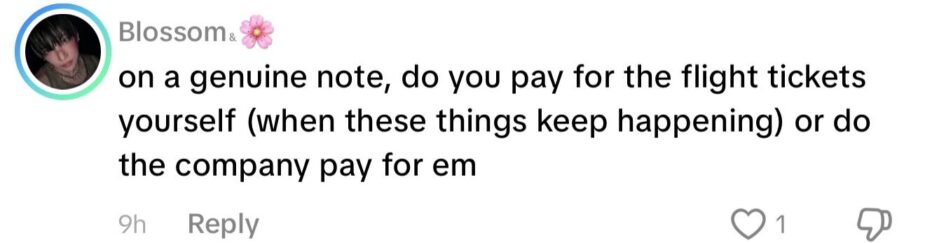
News of Prince’s latest ordeal quickly spread across social media platforms, igniting a fervent reaction from fans and netizens. The sentiment was overwhelmingly one of sympathy for Prince and outrage directed at Maroo Entertainment. Screenshots of fan comments circulating online reflected a collective disbelief and anger that such an incident could happen again.
"This is absolutely unacceptable," one netizen commented, "How can an agency repeatedly fail to take care of their artist’s most basic travel necessities? It’s their job!" Another expressed deep concern: "It’s heartbreaking to see Prince go through this alone. He’s a professional artist, not a backpacker. Where is his company?" Many pointed out the stark contrast between Prince’s situation and the typical treatment of K-Pop idols, emphasizing that travel plans, passports, and visas are almost always managed directly by the agency. "They left him stranded and expected him to figure it out? This is gross negligence. He has the worst luck with this company," read another frustrated comment. The hashtag #ProtectPrince and similar phrases began trending, as fans called for greater accountability from Maroo Entertainment and better protection for idols. This public outcry underscores the growing expectation from fans for agencies to prioritize the well-being and professional management of their artists.
Maroo Entertainment’s Silence and Broader Implications
As of the immediate aftermath of Prince’s public disclosure, Maroo Entertainment has maintained a conspicuous silence regarding the incident. The absence of an official statement, apology, or explanation has further fueled public criticism and raised questions about the agency’s internal protocols and its commitment to artist welfare. In an industry where public image and fan trust are paramount, such silence can be detrimental to an agency’s reputation and potentially to the future of the group itself.
The implications of this repeated negligence extend far beyond Prince’s personal distress. For Ghost9, an aspiring 4th generation K-Pop group, incidents of mismanagement can severely hinder their career trajectory. Negative publicity surrounding agency practices can alienate fans, deter potential collaborators, and even affect the morale and unity within the group. For Prince, specifically, these recurring issues could impact his mental well-being, his trust in his management, and his overall career prospects as an idol. It might also lead to complications with his visa status in Korea in the future, if a pattern of mismanagement is established.
More broadly, this incident serves as a stark reminder of the power imbalance inherent in the K-Pop industry. Idols, particularly those from smaller agencies or foreign backgrounds, can be vulnerable to exploitation or neglect if proper safeguards are not in place. This case reignites calls for greater transparency and stricter regulations within the K-Pop industry to ensure that agencies fulfill their contractual obligations and provide adequate support and protection for all their artists, regardless of their origin or seniority. Industry watchdogs and legal experts often emphasize that agencies have a legal and ethical responsibility to ensure the safety, well-being, and proper legal status of their artists, especially when they are minors or foreign nationals operating under a work visa. Failure to do so can lead to legal repercussions and severe damage to an agency’s standing.
A Call for Accountability and Change
The repeated abandonment of Ghost9’s Prince overseas by his agency, Maroo Entertainment, highlights a critical flaw in artist management practices within parts of the K-Pop industry. From failing to extend his visa in the past to leaving him stranded in Japan after losing his passport, these incidents point to a systemic issue of neglect. Fans are demanding accountability, and industry observers are calling for a reevaluation of how agencies manage the international careers and personal welfare of their artists, particularly those from foreign countries.

As the K-Pop industry continues its global expansion, the ethical treatment and comprehensive support of all idols, regardless of their nationality, must remain a top priority. Prince’s unfortunate experiences serve as a poignant case study, urging a stronger emphasis on due diligence, robust logistical support, and a genuine commitment to artist welfare from entertainment agencies worldwide. The hope remains that such incidents will prompt meaningful change, ensuring that no artist is left to navigate the complexities of international travel and bureaucracy alone, far from home and without the professional support they are entitled to. The future of Prince and Ghost9, as well as the reputation of Maroo Entertainment, now hinge on how the agency responds to this ongoing crisis and demonstrates a tangible commitment to rectifying its repeated failures.
Related News