Trainee Who Was Cut From Girls’ Generation Opens Up On The Heartbreaking Pain She Went Through
Article Editorial Team
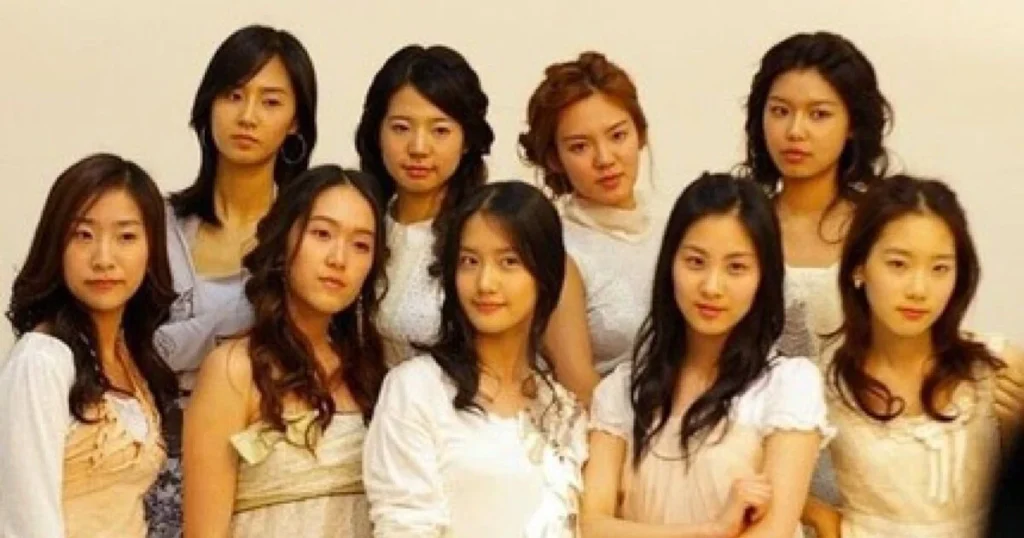
In a candid and emotionally charged episode of TV Chosun’s Dad and I, Huh Chanmi, a seasoned performer who was once part of the highly anticipated debut lineup for the iconic K-Pop group Girls’ Generation, unveiled the profound psychological torment she endured throughout her arduous journey in the entertainment industry. Her revelation, which included battling suicidal ideation spurred by relentless setbacks and vicious online harassment, has resonated deeply with audiences and reignited discussions about the immense pressures faced by artists in South Korea. The program also highlighted her remarkable comeback as the runner-up of Miss Trot 4, painting a portrait of extraordinary resilience.
The Unseen Scars of a K-Pop Dream
The K-Pop industry, globally recognized for its vibrant music and meticulously crafted idols, conceals a demanding and often brutal training system. For aspiring stars like Huh Chanmi, who joined SM Entertainment—one of South Korea’s "Big 3" entertainment agencies—at the tender age of 14, the path to stardom is paved with grueling practice schedules, intense competition, and an ever-present uncertainty about debut. Chanmi’s six-year tenure as an SM trainee placed her squarely in the crucible of this system, culminating in her inclusion in the provisional lineup for Girls’ Generation. This highly anticipated girl group would eventually debut in 2007 and achieve unprecedented global success, becoming a benchmark for K-Pop acts worldwide. To be part of such a groundbreaking project, only to be removed before the final cut, represents a devastating psychological blow that few outsiders can fully comprehend.
This near-miss, following years of relentless dedication, marked the beginning of a challenging trajectory for Chanmi. The emotional weight of such an experience, coupled with the inherent instability of the entertainment world, can be crushing. Industry experts often point to the mental fortitude required not just to debut, but to simply survive the trainee system, where dreams are made and shattered daily. The high-stakes environment fosters intense competition among trainees, often leading to feelings of inadequacy and immense pressure to constantly prove one’s worth.
A Career Defined by Setbacks: A Chronology
Huh Chanmi’s journey through the K-Pop landscape is a poignant narrative of persistence against overwhelming odds, punctuated by repeated disappointments that would test the resolve of any individual.
-
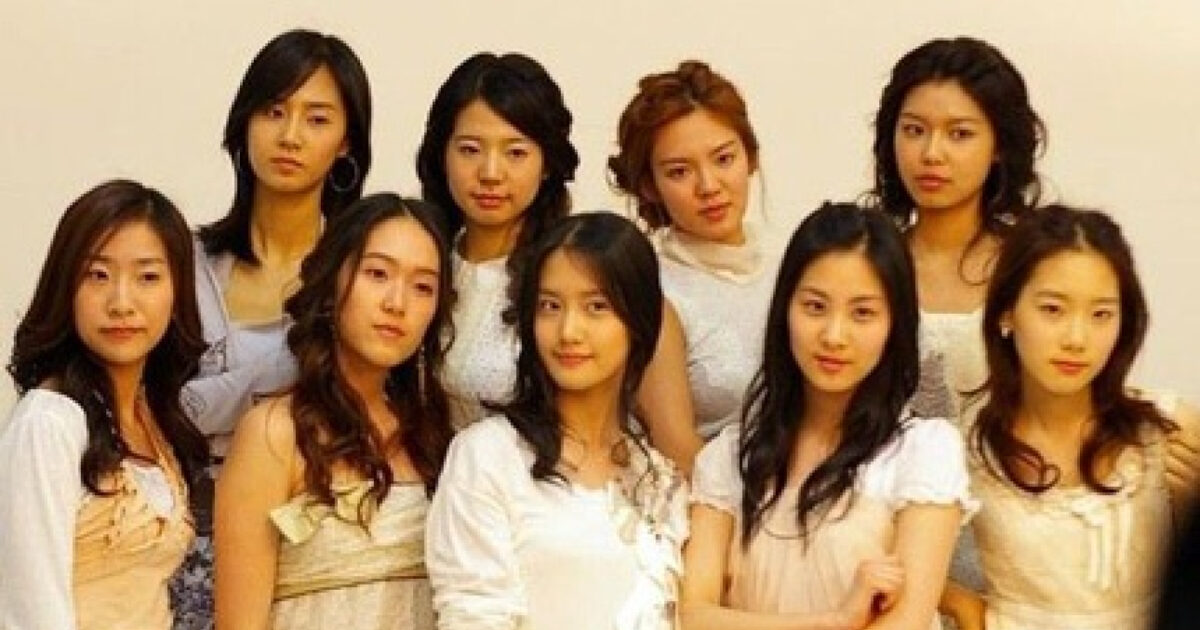
Early Years and SM Entertainment (Early 2000s – 2007): Chanmi began her rigorous training at SM Entertainment around the age of 14. Her potential was clearly recognized, leading to her inclusion in the preliminary lineup for Girls’ Generation. This period, spanning approximately six years, involved intensive vocal, dance, and performance training, often requiring sacrifices in personal life and education. The eventual exclusion from Girls’ Generation’s final nine-member lineup in 2007, despite years of investment, was a profound professional and personal setback. The group’s subsequent meteoric rise only amplified the bittersweet nature of her experience, leaving her to grapple with what might have been.
-
Coed School Debut and Abrupt Suspension (2010): After her departure from SM Entertainment, Chanmi eventually found a new opportunity, debuting with the 10-member mixed-gender idol group Coed School under Core Contents Media (later MBK Entertainment) in 2010. The concept of a co-ed group was relatively novel in the K-Pop scene at the time, generating initial interest. However, the group’s activities were unexpectedly suspended after a mere two months, a shocking development for a freshly debuted act. This abrupt halt meant a second major career setback for Chanmi, who had finally achieved her debut only to see it quickly dissolve. The ephemeral nature of some K-Pop debuts underscores the volatile ecosystem of the industry, where even initial success offers no guarantee of longevity.
-
F-ve Dolls and Trainee Demotion (2011-2012): Following the suspension of Coed School, some female members, including Chanmi, were reactivated as a sub-unit called F-ve Dolls in 2011. While this offered a renewed chance, Chanmi’s tenure with F-ve Dolls was also short-lived. She was reportedly demoted back to a trainee status due to a perceived "short trainee period" (despite her extensive six years at SM Entertainment prior to her initial debut) and subsequently withdrew from the group after approximately a year. Her tearful recollection of her CEO’s instruction to "practice more" highlights the continuous, often demoralizing, pressure to meet ever-shifting expectations and the subjective nature of industry evaluations. This sequence of events—the missed Girls’ Generation debut, the suspended Coed School activities, and the demotion from F-ve Dolls—created a cycle of hope and crushing disappointment, each instance eroding her morale and confidence.
-
The Wilderness Years and Transition to Trot (Post-2012): The period following her withdrawal from F-ve Dolls saw Chanmi navigate a challenging phase, largely out of the mainstream K-Pop spotlight. Many former idols and trainees face significant hurdles in re-establishing their careers after such setbacks. During this time, Chanmi reportedly explored new musical avenues, a testament to her unwavering passion for performing. This shift would eventually lead her to the burgeoning trot music scene, a genre experiencing a significant resurgence in South Korea.
-
Miss Trot 2 Challenge and Critical Feedback (2020/2021): Embracing the trot genre, Chanmi made a significant public appearance by competing in Miss Trot 2, a highly popular reality competition show that has revitalized the genre and launched numerous careers. Despite her seasoned experience and undeniable talent, her performance was met with criticism regarding an "unfortunate song choice." This resulted in a poor showing, and she failed to advance to the top 7, adding another layer of public disappointment to her already extensive list of professional setbacks. The nature of televised competitions, where every performance is scrutinized by millions, can be particularly harsh on contestants who have already faced a public struggle.
The Shadow of Malicious Comments and Mental Health
Amidst these professional tribulations, Chanmi revealed the harrowing personal battle she waged against malicious online comments, known as akpeul (악플) in Korean. The pervasive issue of online harassment in South Korea’s digital landscape has long been a dark underbelly of its vibrant entertainment industry. Celebrities, particularly female artists, are often subjected to relentless cyberbullying, body shaming, and character assassination, frequently without merit or basis. This toxic environment has tragically led to severe mental health crises and, in some devastating cases, the loss of lives within the K-Pop community.
Chanmi’s confession that she "nearly gave up on life" due to these malicious comments sent shockwaves through the audience. Her parents, who had witnessed her struggles firsthand, confirmed her profound despair, revealing that they had even urged her to abandon her dream to protect her from further pain. This candid admission sheds light on the often-unseen suffering of public figures and underscores the critical need for greater awareness and action against cyberbullying. The cumulative effect of career failures and vicious personal attacks can create an unbearable psychological burden, pushing individuals to their breaking point. Mental health awareness and support within the K-Pop industry have become increasingly vital topics, with agencies and public bodies striving to implement better safeguards, though much work remains.
A "Resilient Trot Phoenix" Rises: Miss Trot 4 Triumph
Despite the profound emotional scars, Chanmi refused to be defined by her past failures. Her journey on Miss Trot 4 became a powerful narrative of redemption and unwavering spirit. Describing herself as a "resilient trot phoenix," she embarked on a transformative effort to completely reinvent her trot singing style. This dedication was evident in her performances, which captivated both judges and viewers. Her changed vocal technique and powerful stage presence were widely admired, a testament to the immense effort and soul-searching she had undertaken. Her indomitable spirit shone through, culminating in her confidently securing the runner-up position in Miss Trot 4. This achievement marked a significant turning point, not just professionally but personally, allowing her to finally experience a measure of widespread success and recognition for her talent and perseverance.
A Glimpse into Home Life: The Power of Family Support

The Dad and I episode also offered viewers an intimate look into Chanmi’s home life, revealing the crucial role her family played in her enduring journey. Her home, proudly described as a source of pride for Namyangju City, showcased a grounded and loving environment. The segment featured her father personally waking her, and Chanmi, for the first time on broadcast, revealed her bare face. This unembellished presentation, which garnered admiration for her "pure, gentle, young, and baby-like" appearance, stood in stark contrast to previous remarks from fans who claimed they couldn’t recognize her without makeup. This unfiltered glimpse into her personal space and appearance symbolized a new level of comfort and authenticity, perhaps a reflection of her newfound success and acceptance.
The emotional core of this segment, however, revolved around her parents’ unwavering support. Her father’s recollection of simply wanting his daughter to "succeed" and "become a singer quickly" underscored the universal parental desire for their child’s happiness and fulfillment. Despite witnessing her profound struggles and the malicious attacks, her father’s steadfast encouragement—"Despite all the difficulties, she told us, ‘I must succeed for mom and dad.’ I told her to pursue her dream"—was the bedrock upon which Chanmi rebuilt her resolve. This quiet, persistent support from behind the scenes highlights the often-underestimated importance of family in navigating the cutthroat world of entertainment. Their belief in her, even when she doubted herself, provided the strength she needed to continue.
Broader Implications and a Message of Hope
Huh Chanmi’s story is more than just a personal triumph; it serves as a powerful case study for several critical issues within the South Korean entertainment industry and society at large.
First, it casts a spotlight on the human cost of the K-Pop trainee system. While producing global superstars, it also creates an environment ripe for intense pressure and mental health challenges for those who don’t make the cut or face repeated failures. Chanmi’s experience underscores the need for comprehensive psychological support systems for trainees and artists, extending beyond mere performance training.
Second, her candid discussion about malicious comments brings renewed attention to the persistent problem of cyberbullying. Her revelation can serve as a potent reminder to netizens about the real-world impact of their words and the collective responsibility to foster a more respectful online environment. South Korea has seen various legislative efforts and public campaigns aimed at curbing akpeul, but stories like Chanmi’s demonstrate that the battle is far from over.
Finally, Chanmi’s journey is a testament to the power of resilience, adaptation, and the enduring human spirit. Her ability to transition from the high-octane world of K-Pop idols to the nuanced artistry of trot music, and to achieve success in a new genre after years of setbacks, is genuinely inspiring. Her narrative as the "resilient trot phoenix" offers a message of hope to anyone facing adversity, illustrating that it is possible to find new paths to fulfillment and success, even after experiencing profound disappointment. Her newfound platform as Miss Trot 4 runner-up not only revitalizes her career but also allows her to share her powerful message with a wider audience, contributing to a broader conversation about mental health, perseverance, and the true meaning of success.
Related News