Prospects and Challenges for the K-pop Industry in 2015: A Comprehensive Analysis of Market Evolution and Artist Welfare
Article Editorial Team

The South Korean entertainment industry enters 2015 at a critical juncture, following a year defined by unprecedented legal disputes, tragic accidents, and a fundamental shift in the relationship between talent agencies and their artists. While 2014 served as a period of significant commercial expansion for the Hallyu wave, it also exposed systemic vulnerabilities within the K-pop ecosystem. As the new year begins, industry analysts and stakeholders are focusing on several key areas of development, ranging from the diversification of solo artistry and the reform of contractual standards to the enhancement of road safety and the evolution of variety television formats. The transition into 2015 is viewed not merely as a change in the calendar but as a necessary phase of professionalization for an industry that has rapidly outgrown its traditional management structures.

The Strategic Pivot Toward Solo Artistry and Individual Branding
One of the most anticipated trends for 2015 is the continued rise of solo ventures for established group members. Historically, K-pop management focused heavily on the collective brand of the group to ensure market stability. However, the success of solo debuts in 2014—most notably Taemin of SHINee and Yenny (Ha:tfelt) of Wonder Girls—has demonstrated that individual branding can coexist with group activities, providing a more sustainable career trajectory for artists.
Market expectations are particularly high for members of veteran groups who have yet to showcase their individual musical identities. A primary example is Minzy of 2NE1. While her fellow member CL has embarked on a high-profile venture into the United States market under the guidance of Scooter Braun, Minzy remains a focal point of discussion regarding untapped potential. Analysts suggest that the diversification of 2NE1’s portfolio is essential, especially given the group’s sporadic release schedule in recent years. A solo debut for Minzy would likely focus on her multifaceted skill set in hip-hop, R&B, and contemporary dance, mirroring the successful solo models seen in groups like BIGBANG, where members G-Dragon, Taeyang, and Daesung have cultivated distinct musical "colors." This shift toward individual projects is seen as a way for agencies to maintain revenue streams while allowing artists to explore creative avenues that may not fit the group’s established concept.

Industry Transparency and the "Dark Side" of the Idol System
The year 2014 was marred by a series of high-profile legal battles that stripped away the polished veneer of the K-pop industry. The departure of Kris (Wu Yifan) and Luhan from the global powerhouse EXO, followed by B.A.P’s collective lawsuit against TS Entertainment, highlighted ongoing issues regarding profit distribution, "slave contracts," and the lack of personal freedom afforded to idols. Furthermore, the alleged forced departure of Jessica Jung from Girls’ Generation (SNSD) sent shockwaves through the industry, signaling that even the most successful groups are not immune to internal friction and management disputes.
These incidents have led to a growing demand for greater transparency within entertainment companies. Legal experts note that the 2014 scandals are reminiscent of the 2009 JYJ lawsuit against SM Entertainment, which originally prompted the Fair Trade Commission to introduce standard contract regulations. However, the recent wave of litigation suggests that enforcement remains inconsistent. In 2015, the industry faces pressure to move beyond "happy facades" and adopt genuine welfare reforms. Industry observers argue that for K-pop to maintain its international credibility, agencies must treat artists as human partners rather than mere commodities. The broader implication of these disputes is a potential shift in power dynamics, where artists increasingly demand the right to reap the rewards of their labor and maintain a semblance of personal autonomy.

Prioritizing Road Safety and Artist Welfare
Perhaps the most somber lesson of 2014 came from the tragic car accident involving the group Ladies’ Code in September, which resulted in the untimely deaths of members EunB and RiSe. This tragedy served as a brutal wake-up call regarding the hazardous conditions under which many idols operate. To meet the demands of rigorous promotional schedules, managers often drive long distances at high speeds, frequently in the early hours of the morning or during inclement weather.
In response to this tragedy, 2015 is expected to see a heightened focus on transportation safety and logistical reform. There have been calls from within the industry, including from figures like Bumkey, for a radical overhaul of how schedules are managed. Experts suggest that agencies must prioritize the physical safety and health of their staff and artists over the quantity of public appearances. The "hellish schedules" that have long been a hallmark of the K-pop training and promotion system are increasingly being viewed as a liability. The implementation of stricter driving regulations, mandatory rest periods, and more realistic scheduling is seen as an essential step toward preventing future tragedies.

Variety Television and Cultural Integration
The landscape of South Korean variety television underwent a significant transformation in 2014, with the success of programs like JTBC’s "Abnormal Summit" (Bichesanghoedam). This show, which features a panel of non-Korean men debating social and cultural issues in fluent Korean, has been praised for providing a platform for genuine cultural exchange. Unlike traditional variety formats that often relied on slapstick humor or the exploitation of "foreigner" stereotypes, "Abnormal Summit" has encouraged a more intellectual and nuanced discussion of Korea’s place in the global community.
The popularity of such formats suggests that the Korean public is increasingly interested in substantive discourse regarding globalization. For 2015, the trend is expected to move toward more educational and thought-provoking content. While the show has faced its share of controversies—including issues surrounding the representation of certain nationalities and historical sensitivities—its core premise remains a vital tool for cultural diplomacy. This evolution in broadcasting reflects a broader societal shift toward multiculturalism, providing a space where different viewpoints can be presented with humor and intelligence.

The Evolution of Fandom Maturity and Privacy Rights
The relationship between idols and their fans has historically been characterized by an intense, often possessive, loyalty. However, 2014 saw several major dating scandals—including those involving Lee Seung-gi and Yoona, and Baekhyun and Taeyeon—which challenged the traditional "no-dating" expectations of the industry. While some fans reacted with hostility, a growing segment of the "Hallyu" audience began to advocate for "fan maturity," emphasizing the right of idols to lead private lives.
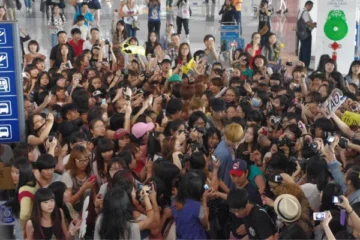
Addressing the issue of "sasaeng" fans (obsessive stalkers) remains a primary concern for 2015. The invasive behavior of these individuals, which includes stalking, unauthorized photography, and the harassment of family members, continues to pose a threat to the mental health and safety of celebrities. Analysts argue that the industry must work toward a culture where fans respect the boundary between an idol’s public persona and their private existence. Furthermore, there is a call for idols themselves to be more culturally aware when interacting with international audiences. As K-pop expands into diverse global markets, avoiding cultural appropriation and insensitive stereotypes is crucial for maintaining a respectful and inclusive fandom.

Economic and Cultural Outlook for 2015
From an economic perspective, 2015 is projected to be a year of stabilization and strategic growth. While 2014 was a year of "breaking up" and "suing," 2015 offers an opportunity for "rebuilding." Groups like MBLAQ, which saw the departure of members Lee Joon and Thunder, are expected to navigate their reorganization with more transparency and less animosity than their predecessors. The industry’s ability to handle such transitions amicably will be a key indicator of its professional maturity.
The broader impact of the 2014 controversies is likely to result in a more discerning audience and a more regulated market. If entertainment companies can successfully address the issues of artist welfare, safety, and contractual fairness, the K-pop industry will be well-positioned to continue its global ascent. The goal for 2015 is to create an environment where musical innovation is supported by ethical management, ensuring that the "miracle of Hallyu" is built on a sustainable and humane foundation.

In conclusion, the K-pop industry stands at the threshold of a new era. The lessons learned from the scandals and tragedies of the past year have provided a roadmap for necessary change. Whether it is through the empowerment of solo artists, the reform of variety television, or the protection of basic human rights for idols, the actions taken in 2015 will determine the long-term viability of South Korea’s most famous export. The hope for the coming year is one of education, joy, and a renewed commitment to the artists who make the industry possible.
Related News