The Fallout of Cultural Ties and Legal Battles The Impact of Kris Wus Lawsuit Against SM Entertainment on EXO and the K-pop Industry
Article Editorial Team
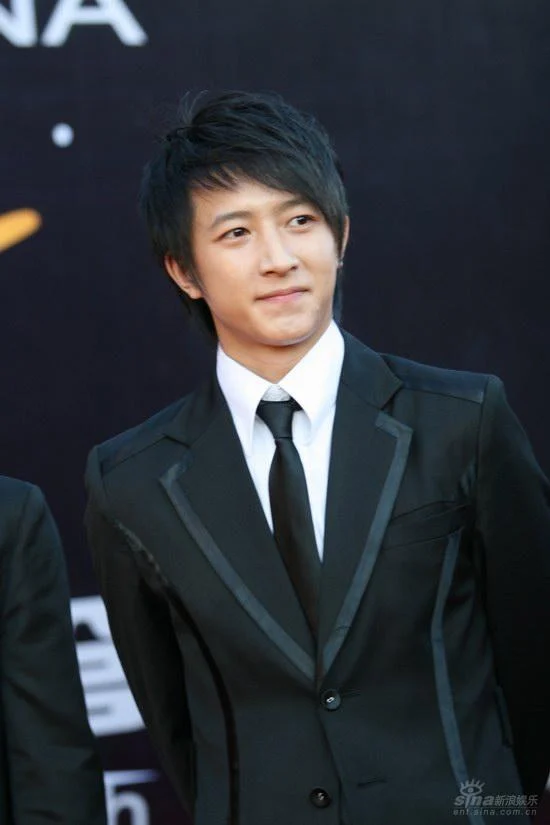
The landscape of the South Korean entertainment industry was fundamentally altered on May 15, 2014, when Kris Wu (Wu Yifan), the leader of the Mandarin-language sub-unit EXO-M, filed a lawsuit against his management agency, SM Entertainment. The legal action, seeking the termination of his exclusive contract, sent shockwaves through the global music market and reignited a long-standing discourse regarding the treatment of artists within the K-pop system. This conflict was not merely a legal dispute over contractual obligations; it was a complex collision of corporate interests, personal agency, and deeply rooted cultural values. To understand the gravity of the Kris Wu lawsuit, one must examine the intersection of "slave contracts," the psychological framework of Korean social bonds, and the historical precedents that have shaped the industry’s approach to artist management.
The Legal Catalyst and Core Allegations
The lawsuit was filed at the Seoul Central District Court by Kris Wu’s legal representative, the law firm Hankyul, which had previously represented former Super Junior member Hangeng in a similar case. The core of the complaint rested on allegations that SM Entertainment had violated the artist’s fundamental human rights and provided an environment that disregarded his health and career aspirations.
According to legal filings and subsequent reports, the plaintiff alleged that the agency treated him like an object rather than a creative professional. Key grievances included an exploitative schedule that left no room for recovery, a lack of transparency regarding income distribution, and the unilateral imposition of schedules without prior consultation. Furthermore, Kris Wu’s legal team argued that the contract’s duration—a hallmark of the so-called "slave contracts" prevalent in the early 2000s—was excessively long and restrictive, effectively stripping the artist of his freedom to pursue individual opportunities or manage his own physical well-being.
SM Entertainment’s response was one of public surprise and logistical concern. At the time of the filing, EXO was at the height of its popularity, having recently released the hit mini-album Overdose. Most critically, the group was only one week away from its first solo concert series, "EXO From. EXOPLANET #1 – The Lost Planet," scheduled to begin on May 23 at the Seoul Olympic Gymnasium. The timing of the lawsuit was viewed by the agency and several stakeholders as a strategic move designed to maximize leverage, though the artist’s camp maintained it was a necessary step for his survival.
A Chronology of the Crisis
The fallout from the lawsuit progressed with remarkable speed, played out largely across social media and official press releases.
- May 15, 2014: News of the lawsuit breaks. SM Entertainment’s stock prices plummet by nearly 6% within hours. Kris Wu remains in China following promotional activities, while the rest of the members return to Korea.
- May 16–18, 2014: The remaining members of EXO-K and EXO-M begin to unfollow Kris on Instagram. Member Tao (Huang Zitao) posts a lengthy message on Weibo and Instagram, expressing feelings of betrayal and describing the situation as a "betrayal of trust" by someone the group had relied on.
- May 21, 2014: SM Entertainment announces that the upcoming concert will proceed with only 11 members. The agency begins a frantic process of re-choreographing the entire setlist and re-recording vocal tracks to compensate for the leader’s absence.
- May 23, 2014: During a press conference before the first concert, the remaining members express their heartbreak. Leaders Suho and Xiumin acknowledge the difficulty of the situation, with Suho stating that the group’s motto, "We Are One," was more important now than ever.
- Post-Concert Period: Kris Wu remains in China, eventually transitioning into a highly successful solo career in film and music, while legal mediation between him and SM Entertainment continues for several years.
The Cultural Framework: Understanding Jeong and Haan
To the Western observer, the backlash against Kris Wu from his fellow members and fans might seem disproportionate for a standard labor dispute. However, within the context of Korean culture, the conflict tapped into the powerful concepts of jeong (정) and haan (한).
Jeong is a uniquely Korean concept that refers to a deep, collective emotional bond formed through shared experiences, time, and mutual vulnerability. It is more than just friendship; it is a sense of social "stickiness" that binds individuals together in a web of loyalty and obligation. In the K-pop industry, where trainees live, eat, and practice together for years before debuting, the jeong developed within a group is marketed as the foundation of their success.
When Kris Wu filed his lawsuit without—according to the members—giving them prior warning, it was perceived not as a professional resignation, but as a violation of jeong. The intense resentment expressed by members like Tao was a manifestation of haan. As explored by researchers at the UCLA School of Medicine, haan is a profound sense of agony or bitterness that arises when a bond of jeong is betrayed. The more "warm and tender" the original relationship, the more "bitter and profound" the resulting haan. To the members who had vowed to face the industry’s hardships together, Kris’s departure was seen as an abandonment of their collective struggle.
Historical Precedents and the "Slave Contract" Legacy
The Kris Wu lawsuit did not occur in a vacuum. It was the latest in a series of high-profile departures that have defined SM Entertainment’s relationship with its talent.

In 2009, three members of TVXQ (DBSK)—Junsu, Yoochun, and Jaejoong—filed a lawsuit against SM Entertainment, citing a 13-year contract that they deemed a "life sentence." This case was a watershed moment for the industry, leading the South Korean Fair Trade Commission (FTC) to introduce "standardized contract" guidelines to limit the duration of exclusive agreements to seven years.
Shortly after the TVXQ incident, Hangeng of Super Junior filed his own lawsuit to terminate his contract. As the first prominent Chinese idol in K-pop, Hangeng’s departure highlighted the specific difficulties faced by foreign artists, including visa restrictions that limited their television appearances and feelings of isolation.
By 2014, the industry had supposedly improved, yet the Kris Wu case suggested that the underlying tensions remained. Unlike Hangeng, who faced significant legal barriers to performing in Korea, Kris had been given ample opportunities. This led some critics, including Super Junior’s Heechul, to argue that the situation was different. On the talk show War of Words, Heechul noted that Kris had "broken the trust" of fans who were waiting for a 12-member concert, suggesting that the complaint was less about legal survival and more about personal ambition.
Corporate Strategy and Public Perception
SM Entertainment’s handling of the crisis reflected a sophisticated approach to narrative management. By allowing the remaining members to speak openly about their disappointment, the agency successfully shifted the public focus from the potential validity of Kris’s legal claims to the emotional trauma inflicted on the group.
The removal of Kris’s merchandise from concert venues and the offering of refunds to fans served a dual purpose: it acknowledged the fans’ loss while effectively "erasing" the artist from the brand’s immediate future. This strategy utilized the collectivist nature of the K-pop fandom, encouraging fans to "protect" the remaining 11 members, thereby framing Kris as the antagonist in the group’s "overcoming adversity" narrative.

However, the legal reality was more nuanced. While the emotional fallout favored the group, the legal framework in Korea had become increasingly sympathetic to artists’ rights. The repetitive nature of these lawsuits against SM Entertainment suggested a systemic failure to balance corporate control with individual artist welfare.
Broader Implications for the K-pop Industry
The departure of Kris Wu was a precursor to a larger exodus. Within a year, two other Chinese members of EXO, Luhan and Tao, would follow suit, filing their own lawsuits against SM Entertainment for similar reasons. These events forced a re-evaluation of how K-pop agencies manage "Global Members."
The "flight risk" of Chinese idols became a significant concern for agencies. Having gained fame through the rigorous K-pop training system, these artists found that their market value in the booming Chinese entertainment industry was astronomically higher than what they could earn under an SM Entertainment contract. This led to a shift in how contracts are structured, with many agencies now granting top-tier idols more autonomy and individual studios to manage their activities in their home countries.
Furthermore, the Kris Wu incident highlighted the limitations of the "We Are One" branding. It demonstrated that no matter how strong the cultural concept of jeong may be, it cannot always overcome the pressures of an grueling industry or the lure of individual career sovereignty.
In conclusion, the lawsuit filed by Kris Wu against SM Entertainment was more than a headline-grabbing scandal; it was a symptom of a maturing industry grappling with its own internal contradictions. It pitted the traditional, collectivist values of Korean society against the modern, individualistic aspirations of a globalized workforce. While the legal battles eventually reached settlements and the parties moved on, the scars left on the cultural fabric of the fandom and the industry remain a testament to the high cost of the K-pop dream. The case serves as a permanent reminder that in the world of high-stakes entertainment, the emotional bonds that build a group are often the very things that make its dissolution so devastating.
Related News