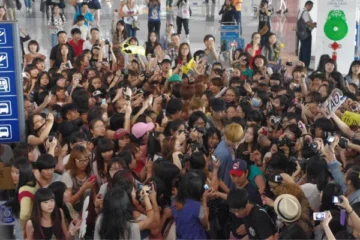
The Evolution of K-pop Fandom: A Comprehensive Analysis of the Psychological and Behavioral Stages of Digital Devotion
Article Editorial Team

The global ascent of South Korean popular music, known as K-pop, has transformed from a regional subculture into a multi-billion-dollar international phenomenon. Central to this growth is a unique and highly structured fan culture that transcends traditional music appreciation. As the "Hallyu" or Korean Wave continues to permeate global markets, researchers and industry analysts have identified a distinct lifecycle that many fans undergo. This progression, characterized by specific psychological shifts and behavioral changes, moves from initial curiosity to deep emotional and financial investment, often culminating in either a sustainable lifestyle balance or a complete withdrawal from the community.
The Macroeconomic Context of Global Fandom
According to the International Federation of the Phonographic Industry (IFPI), the South Korean music market has consistently ranked among the top ten globally, with growth rates often outpacing traditional Western markets. In 2023, K-pop accounted for a significant portion of global physical album sales, driven largely by the intense loyalty and organizational prowess of dedicated fandoms. This economic power is rooted in the "fandom lifecycle," a process where casual listeners are systematically converted into "stans"—devotees who contribute to a group’s success through coordinated streaming, social media engagement, and high-volume purchasing.
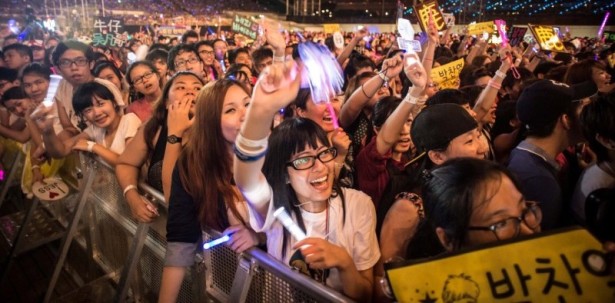
Stage I: The Introductory Encounter and Sensory Overload
The journey into K-pop fandom typically begins with a moment of accidental exposure. In the current digital landscape, this often occurs via social media algorithms on platforms like TikTok, Instagram, or YouTube. For the uninitiated, the first impression is frequently one of "sensory overload." K-pop is distinguished by high-budget cinematography, complex synchronized choreography, and a "gender-bending" aesthetic that may challenge Western norms of masculinity and femininity.
Initial reactions are often polarized. Some viewers are immediately captivated by the production value, while others may find the "neon box" sets and "gimmicky" concepts off-putting. This stage is marked by a sense of cultural dissonance. Newcomers often struggle to differentiate between members of large groups or find the industry’s polished perfection to be "unreal." However, the sheer technical proficiency of the performers—often trained for five to ten years before debuting—creates a baseline of intrigue that frequently leads to the next phase.
Stage II: The Investigative Deep Dive
Curiosity marks the transition to the investigative stage. What begins as a search for a single song often spirals into a comprehensive exploration of a group’s discography. The digital infrastructure of K-pop is designed to facilitate this "rabbit hole" effect. Beyond music videos, entertainment agencies like HYBE, SM, YG, and JYP release vast quantities of "behind-the-scenes" content, variety show appearances, and "vlogs."

During this period, the listener begins to move past the music and starts focusing on the personalities of the individual idols. This is where the foundation of the parasocial relationship—a one-sided emotional bond between a fan and a celebrity—is laid. The investigator learns the jargon of the community, such as "bias" (a favorite member) and "comeback" (a new release), effectively learning a new language that grants them entry into the wider community.
Stage III: The Obsessive Phase and Parasocial Immersion
The third stage is characterized by total immersion and is often the most intense period of fandom. At this point, the fan’s digital consumption becomes a primary daily activity. Behavioral markers include:
- Identity Formation: The fan adopts a specific fandom name (e.g., ARMY for BTS, BLINK for Blackpink) and integrates it into their social media identity.
- Financial Commitment: The transition from digital listener to physical consumer occurs here. Fans begin purchasing multiple versions of the same album to collect "photocards"—small, randomized portraits of members that have created a massive secondary trading market.
- Emotional Labor: Fans participate in "streaming parties" and voting for music shows, viewing the group’s professional success as a personal victory.
Psychologists suggest that this stage provides a sense of belonging and purpose. However, it is also where "bias wreckers"—other members of the group who challenge the fan’s loyalty to their favorite—create a cycle of continuous engagement. The fan’s social circle often shifts to include other international fans, creating a 24-hour cycle of updates that can lead to sleep deprivation and the neglect of real-world responsibilities.

Stage IV: Cognitive Dissonance and the Denial Phase
As the obsession deepens, many fans enter a stage of denial. External observers—friends, family, or colleagues—may express concern regarding the fan’s time and financial investment. In response, the fan often retreats further into the digital community, which reinforces the behavior as normal or even virtuous.
During this stage, the fan may ignore the negative aspects of the industry, such as the rigorous "trainee" system or the lack of privacy for idols. The emotional attachment is so strong that any criticism of the group is perceived as a personal attack. This period is often marked by "internalized fandom," where the individual’s mood becomes tethered to the group’s activities or public perception.
Stage V: The Acknowledgement of Impact
The "acknowledgement stage" serves as a turning point. It is usually triggered by an external or internal crisis. This could be a decline in academic or professional performance, financial strain, or "fandom burnout"—a state of exhaustion caused by the constant pressure to keep up with content and defend idols in online "fan wars."

For others, the realization comes when a favorite group faces a scandal or a member departs. This shatters the "perfect" image cultivated by the entertainment agencies and forces the fan to confront the reality of their emotional dependence. At this juncture, many fans announce a "semi-hiatus," attempting to distance themselves from the constant notification cycle of Twitter and Weverse.
Stage VI: The Cycle of Rehabilitation and Relapse
True to the patterns of behavioral addiction, the "rehabilitation stage" involves a conscious effort to return to a pre-fandom lifestyle. This includes diversifying music tastes, re-establishing social connections outside of the fandom, and adhering to regular sleep schedules.
However, the "relapse" is a common phenomenon in the K-pop world. The industry’s marketing is built on "hooks"—not just musical ones, but emotional ones. A new "teaser" for a comeback, a heartwarming "selca" (selfie) on Instagram, or a major award win can pull a fan back into the obsessive stage. The guilt of "missing out" during their absence often drives the fan to be even more active than before, as they attempt to compensate for lost time.

Stage VII: Long-Term Resolution—Balance vs. Renouncement
Ultimately, the lifecycle of a K-pop fan reaches one of two conclusions:
1. The Balanced State (Harmonious Passion):
The fan reaches a level of maturity where they can enjoy the music and content without it dominating their life. They accept that they cannot watch every livestream or buy every piece of merchandise. This stage is characterized by a "healthy" appreciation, where K-pop is a hobby rather than an identity.
2. The Renouncement (Natural Attrition):
Some fans find that their interest naturally wanes over time. As life stages change—moving from adolescence to adulthood or from university to the workforce—the time-intensive nature of K-pop fandom may no longer fit their lifestyle. For these individuals, K-pop was a "seasonal" interest that served a purpose at a specific time but has since been replaced by other priorities.

Broader Implications for the Global Music Industry
The lifecycle of the K-pop fan provides a blueprint that Western labels are increasingly attempting to emulate. The "gamification" of music consumption—where fans are encouraged to compete for chart positions and collect randomized items—is now becoming a standard practice in the global industry.
Furthermore, the stages of fandom highlight the power of digital communities in the 21st century. K-pop fans have demonstrated an ability to mobilize for social and political causes, moving beyond music to influence global discourse. However, the psychological toll of this high-intensity engagement remains a subject of study. As the industry evolves with the integration of AI idols and metaverse concerts, the stages of fandom are likely to become even more complex, further blurring the lines between the digital and physical selves.
In conclusion, the journey from a confused observer to a diehard devotee is a testament to the sophisticated marketing and genuine talent within the K-pop industry. While the stages of fandom can be volatile, they offer a unique window into the ways human beings seek connection, identity, and joy in an increasingly digital world. Whether a fan finds a permanent home in the community or eventually moves on, the experience often leaves a lasting impact on their cultural perspective and digital habits.
Related News