The Socioeconomic Evolution and Global Influence of South Korea’s Chaebol Conglomerates
Article Editorial Team

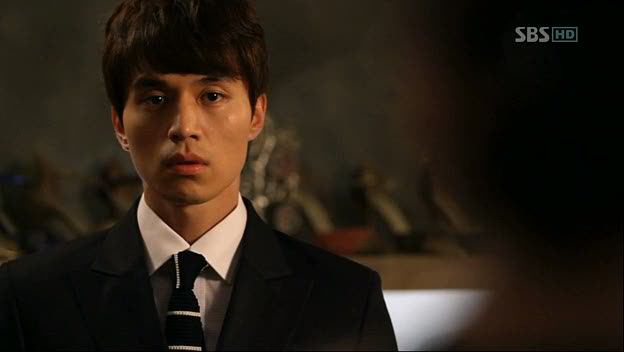
The image of the "chaebol heir" is perhaps the most enduring archetype in South Korean popular culture, characterized by impeccably tailored suits, cold demeanors, and the immense pressure of inheriting multi-billion-dollar empires. In international television hits like Secret Garden, What Happened in Bali, and King the Land, these figures are often romanticized as "poor little rich boys" trapped by duty, yet the reality of the chaebol—the massive, family-run conglomerates that dominate the South Korean economy—is far more complex, politically charged, and economically profound than any drama script suggests. While global audiences recognize names like Samsung, Hyundai, and LG as leaders in technology and automotive manufacturing, these entities represent a unique corporate structure that has served as both the engine of South Korea’s "Miracle on the Han River" and a source of deep-seated societal friction.
Defining the Chaebol: A Unique Corporate Structure
The term "chaebol" (재벌) is derived from the Chinese characters for "wealth" or "property" (chae) and "faction" or "clan" (beol). Unlike Western conglomerates, which are typically owned by a diverse pool of shareholders and managed by professional executives, a chaebol is characterized by centralized ownership and control by a single founding family. This control is often maintained through a complex web of cross-shareholdings, where subsidiaries own stakes in one another, allowing the "Chairman" (the patriarch of the family) to exert absolute authority even with a relatively small percentage of direct equity.
These entities are not limited to a single industry. A typical chaebol is a sprawling octopus with "tentacles" in every sector of the economy. For example, the Hyundai Group is famous for cars, but it also encompasses heavy industry, department stores, elevator manufacturing, and construction. Lotte, another household name, dominates the retail landscape with department stores and supermarkets, while also running the Lotteria fast-food chain, managing luxury hotels, and producing a significant portion of the nation’s processed snacks and beverages. This omnipresence means that a South Korean citizen can effectively live their entire life within the ecosystem of a single chaebol: being born in a chaebol-owned hospital, living in a chaebol-built apartment, working for a chaebol subsidiary, and shopping at a chaebol-owned mall.
The Historical Genesis: From Post-War Devastation to Global Power
The rise of the chaebol is inextricably linked to the military dictatorship of Park Chung-hee, who seized power in 1961. Following the 1953 armistice that halted the Korean War, South Korea was one of the poorest nations on earth, with a GDP per capita lower than that of many sub-Saharan African countries. To rebuild the nation, Park implemented an export-oriented industrialization strategy that relied on a symbiotic relationship between the state and a select group of private businesses.
Chronology of the Chaebol Evolution
- The 1960s: Selection and Growth. The Park administration hand-picked several promising companies and provided them with low-interest loans, preferential access to foreign exchange, and protection from international competition. In exchange, these companies were required to meet strict export quotas. This era saw the birth of the modern chaebol structure.
- The 1970s: Heavy and Chemical Industrialization (HCI). The government pushed the chaebols into heavy industries like shipbuilding, steel, and petrochemicals. This was a high-risk gamble that required massive capital investment, further cementing the "too big to fail" status of these companies.
- The 1980s: Global Expansion. Chaebols began to transition into electronics and high-tech manufacturing. Samsung, which started as a trading company selling dried fish and noodles, began its journey toward becoming a global leader in semiconductors and consumer electronics.
- The 1997 Asian Financial Crisis. This was a pivotal turning point. The high debt-to-equity ratios that fueled chaebol growth led to the collapse of several giants, most notably Daewoo. The IMF-mandated reforms forced chaebols to improve transparency and reduce debt, though the core family-controlled structure remained largely intact.
- The 2010s to Present: Digital Transformation and Political Scandals. While chaebols have led South Korea into the Fourth Industrial Revolution, they have also faced increased scrutiny regarding succession practices and political influence, culminating in high-profile legal battles involving the leaders of Samsung and Lotte.
Supporting Data: The Scale of Economic Dominance
The sheer scale of the chaebols’ influence on the South Korean economy is difficult to overstate. According to data from the Korea Fair Trade Commission and various economic research institutes, the top 10 chaebols account for approximately 80% of the nation’s total GDP in terms of revenue. Samsung Group alone, the largest of the conglomerates, has a revenue that often fluctuates around 15% to 20% of South Korea’s total GDP.
In terms of market capitalization, the influence is even more pronounced. On the KOSPI (the Korea Composite Stock Price Index), Samsung Electronics frequently represents over 20% of the entire market’s value. This concentration of wealth means that the health of the South Korean economy is dangerously tethered to the performance of a handful of family-run firms. When Samsung faces a global recall (as seen with the Galaxy Note 7) or Hyundai faces labor strikes, the entire nation’s economic outlook can shift.
The Political-Industrial Complex: The "Iron Triangle"
The relationship between the chaebols and the "Blue House" (the former presidential residence) has historically been described as a "collusive link." This "Iron Triangle" of the government, the banks, and the chaebols ensured that capital was always available for the conglomerates’ expansion. However, this proximity has led to systemic corruption and "money-for-favors" scandals.

A notable example occurred during the administration of President Lee Myung-bak (2008–2013), who was himself the former CEO of Hyundai Engineering and Construction. His presidency was often criticized for "business-friendly" policies that many perceived as favoring the conglomerates at the expense of small and medium-sized enterprises (SMEs). More recently, the 2016 impeachment of President Park Geun-hye (daughter of Park Chung-hee) was triggered by a scandal involving massive "donations" from chaebols like Samsung to foundations controlled by a presidential confidante in exchange for government approval of a controversial merger.
Societal Impact: "Hell Joseon" and the SME Struggle
While the chaebols provided the jobs that built the Korean middle class, their dominance has created a bifurcated labor market. Working for a top-tier chaebol like Samsung or SK is considered the ultimate prize for South Korean youth, offering high salaries, prestige, and "cradle-to-grave" benefits. However, because these conglomerates have become so efficient and automated, they actually employ a relatively small percentage of the total workforce—less than 10%.
The remaining 90% of the workforce is employed by SMEs, which often struggle to survive in the shadow of the chaebols. Critics argue that chaebols engage in "unfair trade practices," such as squeezing suppliers on prices or stealing technology from smaller startups. This economic stratification has contributed to the "Hell Joseon" phenomenon—a term used by frustrated youth to describe the harsh, hyper-competitive nature of South Korean society where upward mobility feels impossible for those not born into or employed by the elite corporate class.
Official Responses and Reform Efforts
In response to growing public discontent, successive South Korean governments have campaigned on the platform of "economic democratization." The goal is to level the playing field between chaebols and SMEs and to reform the governance of the conglomerates to make them more accountable to minority shareholders.

The Moon Jae-in administration (2017–2022) appointed "chaebol sniper" Kim Sang-jo as the head of the Fair Trade Commission to crack down on intra-company dealing and circular shareholding. However, reform is a delicate balancing act. If the government pushes too hard, they risk destabilizing the very engines that drive the nation’s exports. Official statements from business lobby groups like the Federation of Korean Industries (FKI) often warn that excessive regulation will stifle innovation and make South Korean firms less competitive against rising Chinese giants.
Broader Impact and Global Implications
The chaebol model is currently facing its greatest challenge: the transition to a post-founder era. As the second and third generations of founding families take the reins, they face a public that is less willing to overlook corporate malfeasance in the name of economic growth. Furthermore, the global shift toward ESG (Environmental, Social, and Governance) standards is forcing these family-run firms to modernize their opaque management styles.
Despite the controversies, the chaebols remain the face of South Korea on the world stage. Their ability to make rapid, massive investments—decided by a single Chairman rather than a slow-moving board—allowed them to dominate the semiconductor, display, and EV battery markets. In a world where "economic security" is becoming a priority for nations, the centralized power of the chaebol is once again being viewed by some as a strategic advantage in the global tech war between the U.S. and China.
In conclusion, the chaebol is much more than a convenient plot device for television dramas. It is a unique socioeconomic entity that rescued a nation from poverty but now stands at a crossroads. As South Korea matures as a democracy, the tension between the chaebols’ economic necessity and the public’s demand for fairness will continue to define the country’s political and social landscape. The "arrogant heir" in the boardroom may still make for good television, but in the real world, the future of the chaebol will determine the future of South Korea itself.
Related News