The Evolution of Sasaeng Culture in the K-pop Industry: Analysis of Fan Extremism and Artist Security Challenges
Article Editorial Team

The global expansion of South Korean popular music, known as K-pop, has brought unprecedented international acclaim and economic growth to the peninsula; however, it has also amplified a long-standing domestic issue: the rise of "sasaeng" fans. Derived from the Korean words "sa" (private) and "saeng" (life), the term refers to obsessive individuals who engage in intrusive behavior that borders on—and often crosses into—criminal stalking. While fervent fandom is a hallmark of the industry, the sasaeng phenomenon represents a systemic challenge to the safety, mental health, and privacy of artists. From the legendary troubles faced by first-generation groups to the modern-day security breaches experienced by contemporary idols like EXO, the industry continues to grapple with the fine line between passionate support and dangerous obsession.
The Case of EXO: A Modern Benchmark for Fan Extremism
In recent years, the SM Entertainment boy group EXO has become a focal point for discussions regarding the escalation of sasaeng activity. Since their debut in 2012, the members have been subjected to a series of high-profile security breaches that highlight the evolving tactics of obsessive followers. In 2013, the group addressed these issues directly in an interview with Sports Seoul, expressing profound distress over the "burdensome" and "intruding" nature of these interactions.
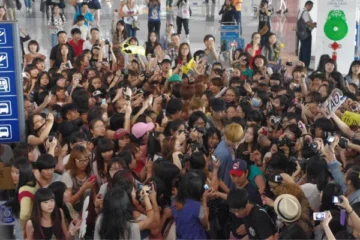
The incidents involving EXO are varied and alarming. Reports have surfaced of fans recording member Tao while he was singing in a hotel shower, indicating a sophisticated level of surveillance. Furthermore, the group has frequently encountered "airport stampedes," where unruly crowds have caused physical harm to both the members and the fans themselves. During several documented arrivals, members have been shoved to the ground, and some fans have attempted to physically link arms with the idols as they move through terminals. These events are not isolated to South Korea; similar chaotic scenes have been recorded at international locations, including Disneyland in the United States, proving that the reach of sasaeng culture is as global as the music itself.

Historical Context: From TVXQ to the Third Generation
To understand the current state of sasaeng culture, one must look back at the precedents set by earlier groups. TVXQ (Tohoshinki), another flagship group under SM Entertainment, is often cited as having one of the most intense sasaeng followings in the history of the genre. During the mid-2000s, the group faced extreme privacy violations, including the hacking of personal phone records, the duplication of apartment keycards, and the theft of personal items from their private residences.
The transition from the second generation (TVXQ, Super Junior) to the third generation (EXO, BTS) saw a shift in how these fans operate. The advent of social media and the "dark web" of information trading has allowed sasaengs to monetize their obsession. Personal information, known as "data," including flight numbers, KakaoTalk IDs, and private phone numbers, is frequently sold on platforms like Twitter and Telegram. This commercialization of an idol’s private life has created a self-sustaining ecosystem of harassment that agencies struggle to dismantle.

The "Sasaeng Taxi" Industry and Surveillance Tactics
One of the most persistent tools in the sasaeng arsenal is the "sasaeng taxi." These are hired vehicles, often charging exorbitant daily rates, that specialize in tailing idol vans from the moment they leave their dormitories until they return. These drivers are often complicit in the stalking, utilizing reckless driving maneuvers to keep pace with the artists’ vehicles, which frequently leads to dangerous traffic accidents.
The tactics employed by these individuals include:

- Home Infiltration: Breaking into dormitories or purchasing apartments in the same building as the artists.
- Communication Hacking: Accessing cloud storage or phone logs to monitor private conversations.
- Physical Harassment: Groping or grabbing idols in public spaces to elicit a reaction.
- Surveillance: Planting hidden cameras or microphones in gifts or near the idols’ private residences.
Factors Contributing to Fan Obsession
Industry analysts suggest that several factors contribute to the intensity of sasaeng culture. The "Big Three" agencies (SM, JYP, and YG) often face the highest concentration of sasaeng activity due to the immense prestige and high expectations associated with their brands. The marketing strategies of these companies often emphasize a "parasocial relationship," where idols are presented as accessible, "boyfriend-like" figures. While this drives record sales and fan engagement, it can also lead to delusions of intimacy among more vulnerable or obsessive followers.
Furthermore, the demographic of K-pop fans—historically skewed toward teenagers and young adults—plays a role. Younger fans may lack the emotional maturity to distinguish between healthy admiration and intrusive behavior. This is in contrast to "noona" fans (older female fans) or general audiences, who tend to maintain more respectful boundaries. However, as the industry matures, agencies are finding that age is not always a deterrent for sasaeng behavior, necessitating a more robust legal and institutional response.

Institutional Responses and the "Shinhwa Model"
In the face of these challenges, some veteran idols have taken a stand that has become a blueprint for boundary-setting. Kim Dong-wan of the long-running group Shinhwa famously told fans during the group’s early years, "Shinhwa isn’t responsible for your lives." While this was considered a risky public relations move at the time, it successfully filtered out fans who lacked a healthy perspective on the idol-fan relationship. Long-term fans of Shinhwa now cite this "tough love" approach as the reason for the group’s enduring and respectful fandom.
Agencies are also beginning to move away from passive management toward legal litigation. For years, companies were hesitant to sue fans for fear of damaging the group’s public image. However, the severity of recent incidents has forced a change in policy. Major labels now frequently issue warnings that they will take legal action against those who violate the Personal Information Protection Act or the Stalking Punishment Act in South Korea.

The Psychological and Professional Impact on Artists
The toll on the artists’ mental health cannot be overstated. Constant surveillance leads to chronic stress, anxiety, and a sense of hyper-vigilance. In his own efforts to discourage sasaengs, TVXQ’s Shim Changmin has been vocal about his disdain for the practice, once famously telling fans to "please find a boyfriend" and focus on their own lives.
The professional implications are equally severe. Security costs for K-pop groups have skyrocketed as agencies must hire private security details for even the most mundane public appearances. Moreover, the reputation of the K-pop industry on the global stage is often marred by reports of "mob-like" behavior at international airports, which can complicate touring logistics and local law enforcement cooperation.

Analysis of Potential Solutions and Future Outlook
To mitigate the rise of sasaeng culture, a multi-faceted approach is required:
- Legal Reform: South Korea’s anti-stalking laws, which were historically lenient, have seen recent updates. Stricter enforcement and higher penalties for those purchasing or selling private information are essential.
- Agency Accountability: Companies must prioritize the safety of their artists over short-term PR concerns. This includes providing secure housing and vetting "fansite" administrators who may be using their proximity to the artist for sasaeng-like activities.
- Digital Hygiene: Idols are increasingly encouraged to limit their digital footprint. While "live streaming" is a vital tool for fan engagement, it also provides sasaengs with real-time location data.
- Fan Education: Official fan clubs are increasingly taking the lead in "self-policing," where legitimate fans report sasaeng activity to the agencies and shame such behavior within the community.
The paradox of the K-pop industry lies in its reliance on intense fan loyalty to drive its global success. However, when that loyalty transforms into a violation of basic human rights, it threatens the very foundation of the entertainment model. As groups like EXO continue to navigate the pressures of superstardom, the industry’s ability to protect its "human assets" from the dark side of fandom will be a defining factor in its long-term sustainability. The transition from viewing sasaengs as "overzealous fans" to "criminal stalkers" is a necessary evolution for the protection of artists and the health of the global K-pop community.
Related News