IVE’s Jang Wonyoung Gets Exposed Amid Liz’s Power Trip Controversy
Article Editorial Team
The Genesis of the Controversy: Liz and the Initial Allegations
The timeline of this controversy began with IVE’s Liz. Public attention was first drawn to the issue when the CEO of a domestic clothing brand shared social media posts and messages regarding the return of items used during a scheduled activity. According to the brand owner, certain pieces of clothing remained unreturned long after the agreed-upon period. The CEO’s communications suggested that the delay was due to the artist’s personal affinity for the items. Specifically, it was alleged that Liz "liked the clothes so much" that the return process was stalled.
While the brand owner’s tone in the initial posts appeared somewhat lighthearted—framed as a testament to the brand’s appeal—the Korean public viewed the situation through a more critical lens. Netizens quickly pointed out the significant wealth disparity between a member of a top-selling girl group and an independent business owner. Liz, as part of IVE, has seen immense commercial success with hits like "Love Dive," "After LIKE," and "I AM," contributing to substantial earnings through music sales, touring, and endorsements. The prevailing sentiment among commenters was that if an idol of her stature desired the clothing, they should have the professional courtesy and financial responsibility to purchase the items outright rather than leveraging their celebrity status to retain them indefinitely.
New Developments: The Involvement of Jang Wonyoung
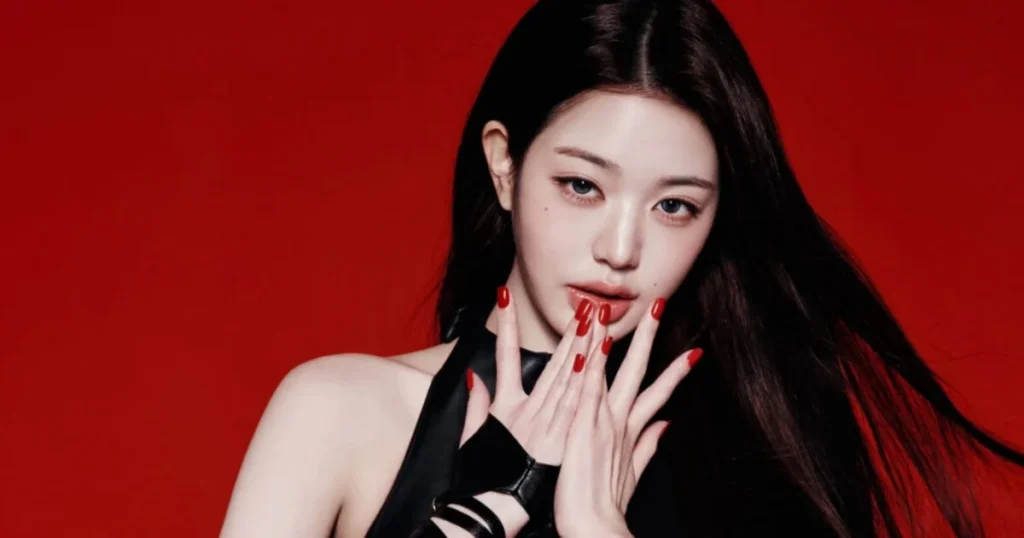
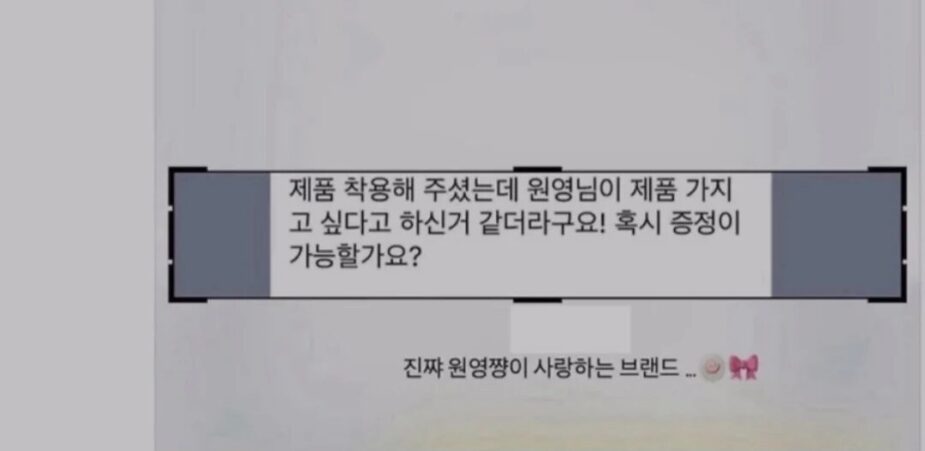
The controversy took a more significant turn when a subsequent post garnered viral attention, this time involving IVE’s center and fashion icon, Jang Wonyoung. A screenshot of a text exchange between a representative—presumably a stylist or staff member—and the brand owner was circulated on online communities like Instiz.
The message read: "Wonyoung tried on the product, and I think she mentioned wanting to keep it! Would it be possible to give it to her as a gift?" Accompanying this evidence was a caption from the brand owner stating, "A brand that Wonyoung really loves!"
This revelation shifted the narrative from a single instance involving Liz to a potential pattern of behavior within the group’s management or the members’ personal conduct. Jang Wonyoung is currently one of the most sought-after brand ambassadors in South Korea, holding prestigious contracts with luxury houses like Miu Miu and beauty giants like Amorepacific. Given her status as a "CF Queen" (Commercial Film Queen), the request for a free gift from a smaller brand struck many as an unnecessary and unprofessional use of influence.
Understanding the K-pop Fashion Ecosystem and Sponsorship Culture
To understand why these allegations have caused such a stir, one must examine the standard operating procedures of the K-pop fashion industry. K-pop groups rely heavily on "sponsorships" and "loans" for their public appearances, music videos, and social media content.
- Sponsorships (Co-marketing): A brand provides clothing for free in exchange for the idol wearing it and providing exposure through social media tags or official press photos. This is a mutually beneficial arrangement where the brand gains marketing value equivalent to or greater than the cost of the garment.
- Loans (Press Pulls): Stylists borrow items from "PR agencies" or directly from brands for a limited window (usually 24 to 72 hours). These items are expected to be returned in original condition so they can be used for other shoots or sold.
- Direct Purchases: For personal use or when a brand does not offer a loan, the artist or the agency’s wardrobe department purchases the items.
The controversy involving IVE falls into a gray area between a loan and a forced gift. When a stylist asks a brand if an idol can "keep" a loaned item as a gift, it places the brand owner in a precarious position. Refusing the request of a top-tier idol’s team could result in the brand being blacklisted from future styling opportunities with that group or agency. Conversely, agreeing to the request results in a direct financial loss for the brand, as these items are often high-end or unique samples.

Public Reaction and the "Gapjil" Discourse
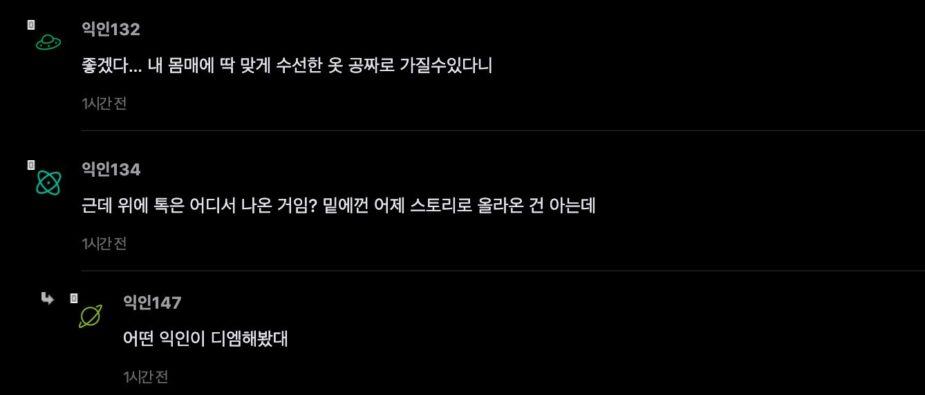
The reaction from the South Korean public has been predominantly negative, focusing on the ethical implications of the request. On platforms like Instiz and Nate Pann, netizens have expressed disappointment, citing the "entitlement" often associated with high-level celebrity status.
"It is the definition of a power trip," one popular comment read. "They know the brand can’t say no to someone as famous as Wonyoung. If she likes it, she should buy it. Her yearly income is likely in the billions of won."
Another user noted the impact on small businesses: "Small brands often struggle with inventory and production costs. Taking a piece of clothing without payment, even if it’s for a ‘gift,’ is a loss that the business has to absorb just to stay on the good side of a big agency."
However, a segment of the fan base has come to the idols’ defense, arguing that these requests are often handled by stylists and management staff without the idol’s direct knowledge. They argue that an idol might simply express that they like an outfit, and an overzealous staff member might take it upon themselves to ask for it as a "gift" to please the artist or save the agency money.
Financial Context and IVE’s Commercial Success
The scrutiny is intensified by IVE’s undeniable financial success. Since their debut in December 2021, IVE has become a dominant force in the industry. Their debut year saw them sweep "Rookie of the Year" and "Daesang" (Grand Prize) awards simultaneously—a rare feat.
Data regarding their commercial performance includes:
- Album Sales: IVE’s first full-length album, I’ve IVE, and subsequent EPs like I’VE MINE have consistently surpassed the one-million-seller mark in first-week sales.
- Digital Dominance: Multiple tracks have achieved "Perfect All-Kills" on Korean music charts, generating massive royalty revenue.
- Individual Endorsements: Jang Wonyoung alone represents over a dozen brands across fashion, jewelry, telecommunications, and food and beverage sectors. Industry insiders estimate her individual endorsement value to be among the highest in the country.
This financial backdrop makes the request for free clothing from smaller entities appear particularly egregious to the public, as it contrasts sharply with the "luxury" image the members project.
Broader Implications for Brand-Celebrity Relationships
This incident serves as a cautionary tale for the burgeoning relationship between K-pop idols and "niche" or "indie" fashion brands. While being worn by a member of IVE can lead to a "sold-out" effect and increased brand awareness, the "hidden costs" of such exposure—including unreturned items or pressured gifting—can be detrimental to a small brand’s bottom line.
Furthermore, the controversy touches upon the sensitivity of "Gapjil" in South Korean culture. In recent years, several high-profile figures in entertainment and corporate sectors have faced severe career setbacks following allegations of power abuse. While the IVE situation involves clothing rather than verbal or physical mistreatment, the underlying theme of using one’s status to gain unfair advantages resonates with the same cultural grievance.
Chronology of the Incident
- Late March 2024: A domestic brand CEO posts on Instagram about unreturned items after a shoot involving IVE’s Liz, noting the artist’s fondness for the clothes.
- Early April 2024: Netizens begin discussing the ethics of "keeping" loaned clothes, sparking the initial "power trip" debate.
- April 21, 2024: A new set of screenshots is leaked/shared on online communities involving Jang Wonyoung. The messages show a request for a "gift" following a fitting.
- April 21, 2024 (Post-Leak): The topic becomes a trending discussion on Instiz, with thousands of comments debating the responsibility of the idol versus the stylist.
- Present: Starship Entertainment has yet to issue a formal statement regarding the specific allegations or the conduct of their styling teams.
Conclusion and Future Outlook
The "exposure" of Jang Wonyoung and Liz regarding these clothing requests highlights a growing tension in the K-pop industry between commercial influence and professional ethics. As K-pop idols become global fashion icons, the scrutiny regarding how they—and their teams—interact with the businesses that clothe them will only increase.
For IVE, the controversy poses a risk to their public image, which has largely been characterized by elegance and "young and rich" aspirationalism. To mitigate the damage, industry analysts suggest that agencies must implement stricter protocols for wardrobe procurement, ensuring that all items are either returned in a timely manner or purchased through official channels. As the discourse continues, the focus remains on whether this was an isolated lapse in judgment by staff members or a systemic issue reflecting a broader culture of entitlement within the upper echelons of the K-pop industry.
Related News