The Intersection of Global K-pop Fandom and Modern Social Movements: A Study of Collective Action and Cultural Influence
Article Editorial Team
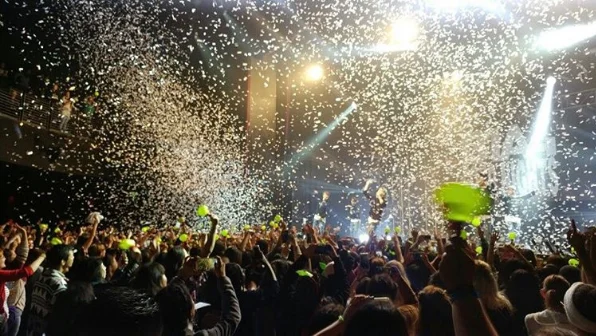
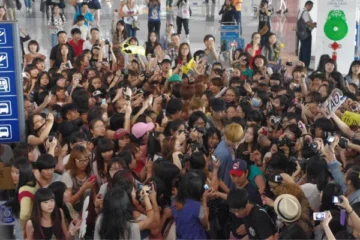
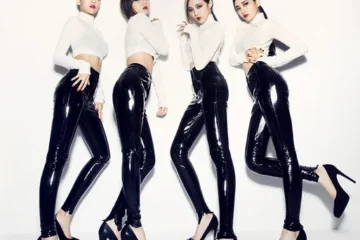
The concept of fandom has evolved from a niche hobby into a formidable global movement that reshapes celebrity culture and influences international sociopolitical landscapes. In the modern era, major celebrities—ranging from musicians and gamers to digital influencers—no longer just command audiences; they mobilize highly organized fan bases that transcend traditional demographic boundaries. These groups, often unified under a specific "fandom name," operate with a singular, driving purpose: the unwavering support of their chosen figure. This phenomenon is most visible within the sphere of K-pop, where the convergence of social media, globalization, and collectivist cultural values has transformed fans into a sophisticated engine of social and political action.
As the world becomes increasingly interconnected, physical borders have ceased to limit cultural influence. Globalization has facilitated a constant exchange of ideas, allowing shared human experiences to bridge the gap between disparate cultures. In this context, K-pop fandoms have emerged as a unique case study in how digital communities can synthesize millions of individual efforts into tangible, worldwide results. However, as these groups pivot toward social justice and political activism, the implications become increasingly complex. While fandom is capable of generating significant public good, its primary allegiance to a celebrity often creates a dual-edged sword, where the same power used for activism can be weaponized to silence dissent or obscure accountability.
The Sociology of Fandom as a Social Movement
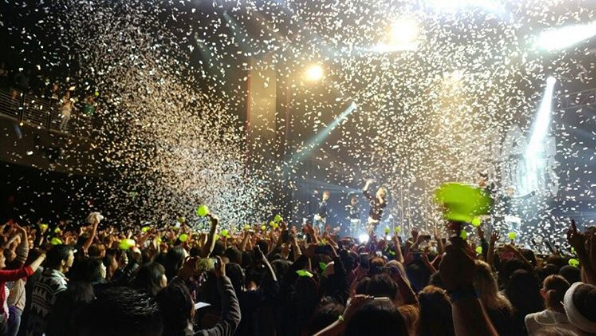
To understand the power of K-pop fans, one must first examine the definition of a social movement. In sociological terms, a social movement is a form of collective action involving informal networks and interactions between groups and individuals who share a collective identity and work toward a common goal. K-pop fandoms fit this definition with remarkable precision. These communities span across various races, ages, genders, and sexualities, yet they operate with the efficiency of a professional organization.
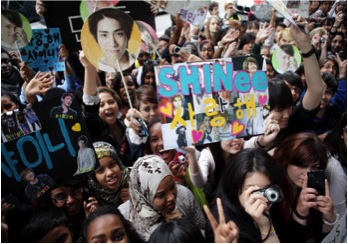
The collective identity of a fandom—such as BTS’s ARMY, Stray Kids’ STAY, or Blackpink’s BLINK—serves as the catalyst for highly coordinated action. On any given week, these groups execute large-scale campaigns, ranging from trending specific hashtags on X (formerly Twitter) to organizing global birthday celebrations for idols. These actions are not merely expressions of affection; they are strategic maneuvers designed to increase the visibility and marketability of their idols. The mechanics of mass voting for award shows and synchronized album purchasing demonstrate a level of discipline and logistical planning that mirrors political grassroots organizing.
Collectivism and the Cultural Roots of Fan Unity
The efficiency of K-pop fandom is deeply rooted in the cultural concept of collectivism, which is a hallmark of many Asian societies, including South Korea. Unlike the individualistic focus prevalent in many Western cultures, collectivism emphasizes the well-being and goals of the community or group over the individual. This cultural framework is evident in South Korean corporate environments, family structures, and, by extension, the relationship between artists and their fans.
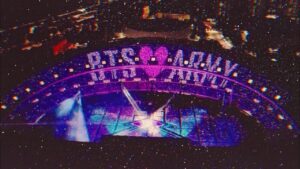
In the K-pop industry, the bond between the idol and the fan is meticulously cultivated to foster a sense of mutual responsibility. Fans do not view themselves as mere consumers; they see themselves as partners in the artist’s success. This collectivist mindset allows fandoms to synthesize the efforts of millions into a single, unified voice. When a goal is set—whether it is breaking a YouTube view record or raising funds for a cause—the fandom moves as one unit, leveraging their collective power to achieve results that would be impossible for a fragmented group of individuals.
Globalization and the Rise of the Hallyu Wave
The global reach of K-pop is a direct result of the "Hallyu" or Korean Wave, a term used to describe the international popularity of South Korean culture. While the movement began in the late 1990s, its impact has reached unprecedented heights in the last decade. In the United States and Europe, South Korean entertainment has moved from the periphery to the mainstream. This shift is highlighted by the critical and commercial success of Korean cinema, such as Bong Joon-ho’s Parasite, which won Best Picture at the 2020 Academy Awards, and Youn Yuh-jung’s Best Supporting Actress win for Minari in 2021.
Beyond film and music, Korean lifestyle trends, such as "K-beauty" and viral food trends like dalgona coffee, have permeated global consciousness. However, K-pop remains the most visible export of this movement. Groups like BTS and BLACKPINK consistently sell out stadiums across North America, Europe, and Asia, while major Western publications like Vogue, Refinery29, and Seventeen now provide regular coverage of K-pop artists.
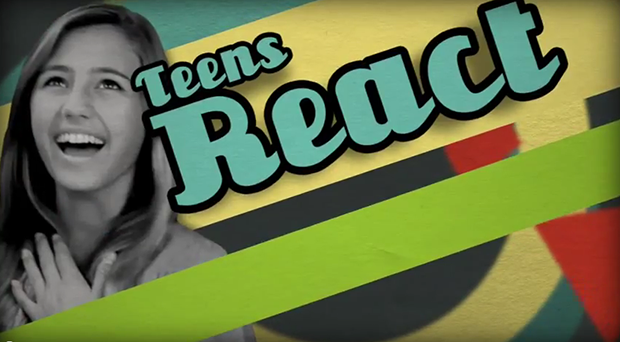
Marketing strategies in the K-pop industry have also been specifically designed for shareability in the digital age. The rise of "reaction videos" on platforms like YouTube has created a secondary layer of engagement, where creators such as ReacttotheK build entire platforms based on analyzing the musicality and visuals of K-pop. This creates a feedback loop where globalization feeds interest, and interest feeds further globalization, pushing K-pop into diverse professional and academic spheres.
A Chronology of Activism: The 2020 Turning Point
The year 2020 served as a watershed moment for K-pop fandom activism, as these groups began to apply their organizational skills to the political and social justice spheres. The following timeline illustrates the speed and scale of these interventions:
- June 4, 2020: BTS and their management company, Big Hit Entertainment, announced a $1 million donation to the Black Lives Matter (BLM) movement following the death of George Floyd.
- June 5, 2020: ARMY organizers launched the #MatchAMillion campaign on social media, urging fans to match the group’s donation.
- June 7, 2020: In just over 24 hours, the fandom successfully raised over $800,000, reaching and exceeding the $1 million mark shortly thereafter.
- June 20, 2020: K-pop fans and TikTok users were credited with disrupting a campaign rally for then-President Donald Trump in Tulsa, Oklahoma. By reserving thousands of free tickets with no intention of attending, fans contributed to a significantly lower-than-expected turnout, with the 19,000-seat arena appearing largely empty.
- Summer 2020: K-pop fans systematically "hijacked" various hashtags used by white supremacist groups, such as #WhiteLivesMatter. By flooding these tags with "fancams" (short videos of idols performing), fans effectively drowned out racist rhetoric and made the hashtags unusable for their intended purpose.
These events demonstrated that K-pop fandoms possessed the digital infrastructure to influence national politics and social movements in real-time. The ability to move as a singular unit provided these groups with a level of visibility that traditional activist organizations often struggle to achieve.

The Dual Edge: Weaponization and "Search Clearing"
Despite the positive headlines surrounding their activism, the power of K-pop fandoms has a more controversial side. Because the primary goal of these movements is the protection of the idol’s image, the collective can sometimes turn against members of its own community or the very causes it claims to support.
One prevalent practice is "clearing the searches." When an idol is involved in a scandal or faces criticism, fans will flood search engines and social media with positive keywords and images to drown out negative news. While fans view this as a protective measure, critics argue it is a form of information suppression that prevents honest discussion about an artist’s actions.
This was notably observed during the wave of bullying allegations that hit the South Korean entertainment industry in early 2021. When Stray Kids member Hyunjin was accused of school bullying, the STAY fandom utilized hashtag campaigns to maintain a positive narrative and pressure the management company, JYP Entertainment, to protect the artist’s career. This highlighted a recurring tension: the fandom’s loyalty to the idol often supersedes the pursuit of objective justice or accountability for the victims.
Furthermore, minority fans within these communities—particularly Black K-pop fans—have frequently reported experiences of harassment and "dogpiling" when they raise concerns about cultural appropriation or the use of racial slurs by idols. In these instances, the collective power of the fandom is used to silence internal dissent, creating an environment where the "common goal" of protecting the idol leads to the marginalization of the very groups the fandom claimed to support during the BLM movement.
Broader Impact and Future Implications
The rise of K-pop fandom as a social movement marks a significant shift in how power is distributed in the digital age. It demonstrates that highly organized, decentralized groups can exert influence over multi-billion dollar corporations and political processes. However, a factual analysis of these movements suggests a distinction between "fandom as activism" and "fandom as idol-centric mobilization."
The primary motivator for these groups is not a specific ideology, but a person. This means that their engagement with social issues is often transactional or incidental to the artist’s brand. While the $1 million donation to BLM was a significant act of philanthropy, it was catalyzed by the artist’s own contribution. Without the artist’s lead, it is unclear if the fandom would have mobilized with the same intensity.

As the line between entertainment and politics continues to blur, the influence of these digital collectives will likely grow. Governments and corporations are increasingly aware of the "fan-power" dynamic, viewing these groups as both a potent marketing tool and a potential political force. For the fans themselves, the challenge remains in balancing their devotion to a celebrity with the ethical complexities of the social movements they inhabit.
In conclusion, K-pop fandoms represent a new frontier of collective action. They are a testament to the power of globalization and the efficiency of collectivist organization. While they have proven they can be a force for immense social good, their fundamental nature as idol-centric organizations means their activism is inherently tied to the reputation of a person rather than a permanent commitment to justice. As these movements continue to evolve, they will remain a central, if complicated, fixture in the global cultural and political landscape.
Related News