The Cultural and Emotional Landscape of SM Entertainment’s Legal Conflicts: Analyzing the Kris Wu Lawsuit and the Concept of Jeong
Article Editorial Team
The relationship between SM Entertainment and its roster of artists has historically been characterized by a complex interplay of commercial success and underlying structural tension. In the landscape of South Korean entertainment, mentions of high-profile lawsuits and the controversial "slave contract" label are not uncommon. While many of these disputes are rooted in tangible grievances—such as unfair profit distribution, excessive schedules, and lack of creative autonomy—there is a profound emotional dimension that often dictates the public and internal fallout of these legal battles. The May 2014 lawsuit filed by Kris Wu (Wu Yifan), the leader of EXO-M, serves as a landmark case study in how cultural constructs like "jeong" and "haan" influence the narrative of betrayal and the subsequent fragmentation of a global K-pop brand.
The Catalyst: Kris Wu’s Sudden Departure and Legal Filing
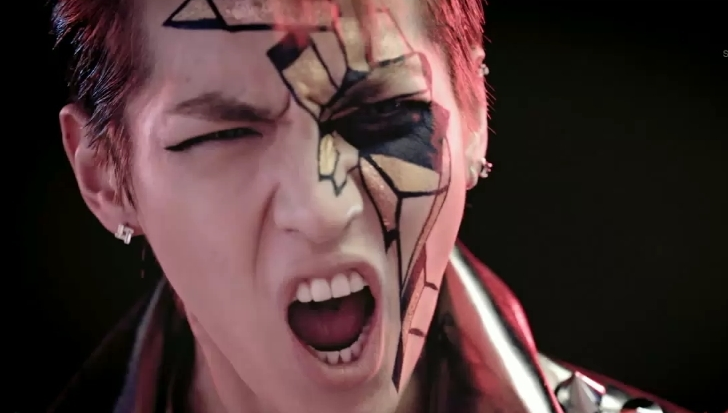
On May 15, 2014, Kris Wu initiated legal proceedings against SM Entertainment at the Seoul Central District Court, seeking the termination of his exclusive contract. The timing of the announcement was particularly disruptive, occurring just one week before EXO’s first solo concert, "EXO From. EXOPLANET #1 – THE LOST PLANET." The lawsuit alleged that the agency treated the artist as an object rather than a human being, ignored his health concerns—including alleged symptoms of myocarditis—and maintained a significant imbalance in the distribution of income.
The immediate aftermath of the filing triggered a tri-fold response from the global K-pop community: confusion regarding the lack of specific information, profound sadness among the fanbase, and a sharp sense of resentment from within the industry. Unlike previous departures, such as Hangeng’s exit from Super Junior in 2009, the digital age allowed for real-time reactions from fellow members, which significantly shaped public perception.
A Chronology of Internal Responses and Public Sentiment
The reaction from the remaining eleven members of EXO was swift and largely unified in its disapproval. Tao, a fellow member of the sub-unit EXO-M, utilized social media to express a sense of personal betrayal. In a Weibo post shortly after the news broke, Tao alluded to a "final farewell," stating that while many wished for the group to stay together forever, "someone has to leave us." His comments were layered with cryptic suggestions that the public was not seeing the full truth and expressed frustration toward fans who sympathized with Kris.
This sentiment was echoed in more formal settings. During interviews following the news, members like Xiumin expressed embarrassment over the controversy, particularly given its proximity to their major concert. The digital severance was finalized when several members unfollowed Kris on Instagram, signaling a collapse of the "We Are One" mantra that served as the group’s foundational branding. Kris, for his part, issued a brief statement on Weibo, wishing the group well—a gesture that did little to mitigate the accusations of "betrayal" circulating in the media.
SM Entertainment’s corporate response was equally decisive. The agency immediately halted the sale of Kris-related merchandise at the upcoming concert and offered refunds to fans who no longer wished to attend. By maintaining a "business as usual" stance with the remaining members, the agency effectively isolated Kris, framing the situation as an individual abandonment of the collective.
The Sociological Framework: Understanding "Jeong" and "Haan"
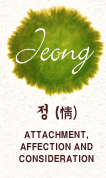
To comprehend why the response to such lawsuits is so visceral in South Korea, one must examine the cultural concept of jeong (정). Deeply embedded in the fabric of Korean society, jeong represents a unique form of collective attachment, kinship, and shared history. It is the invisible bond that creates a sense of "we-ness" within a group. In the context of K-pop, jeong is fostered not only between group members but also between the artists and their fans, and the artists and their management.
When this bond is perceived to be broken, the resulting emotion is haan (한)—a deep-seated sense of resentment, sorrow, and bitterness. Research from the UCLA School of Medicine (Chung and Cho, 2006) suggests that the "warmer and more tender the jeong-based relationship, the more bitter and profound the agony of haan which arises when jeong is broken and loyalty is betrayed."
In the Kris vs. SM case, the legal framework of "unfair contracts" was overshadowed by this emotional framework. The other members’ reactions were not necessarily a defense of the corporation’s legal standing, but rather an emotional response to the perceived violation of their collective commitment. To the remaining members and many fans, Kris’s departure was not a worker seeking better conditions, but a family member abandoning a shared struggle.

Comparative Analysis: The Precedents of JYJ and Hangeng
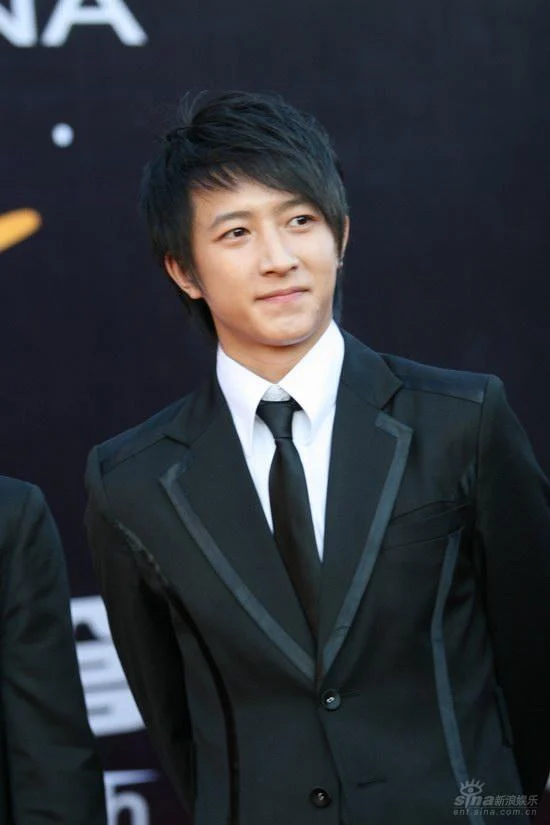
The Kris Wu lawsuit was not an isolated incident but part of a historical pattern at SM Entertainment. The 2009 lawsuit filed by Junsu, Yoochun, and Jaejoong (now JYJ) against the agency for their "13-year contracts" in TVXQ followed a similar trajectory of emotional fallout. At that time, fellow SM artists like Shindong and Sungmin of Super Junior publicly questioned the trio’s motives, particularly after cryptic social media posts surfaced. The aftermath for JYJ included a prolonged period of being "blacklisted" from major South Korean broadcast stations, illustrating the high price of perceived betrayal within the industry.
Similarly, Hangeng’s departure from Super Junior in 2009 was met with mixed emotions. However, as noted by Super Junior’s Heechul on the talk show Ssulzun, Hangeng’s situation was distinct. At the time, foreign artists in Korea faced severe regulatory hurdles, such as being restricted to performing on only two broadcast stations. Heechul argued that by 2014, the environment for Chinese artists in K-pop had improved significantly, leading some to view Kris’s grievances as less justified than those of his predecessors.
These comparisons highlight a recurring strategy: when an artist challenges the status quo, the agency often leverages the remaining members to sway public opinion. By emphasizing the "betrayal" of the group’s shared jeong, the agency can shift the narrative away from systemic labor issues and toward individual moral failings.
The Role of Cultural Identity and the "China-Line"
A significant factor in these disputes is the cross-cultural dynamic. The term jeong is derived from the Chinese character qing (情), yet the two concepts operate differently in social and anthropological contexts. While qing refers to affection or sentiment, it does not always carry the same weight of collective obligation found in the Korean application of jeong.
This cultural gap can lead to misunderstandings. For foreign members like Kris, the decision to leave may be viewed through a pragmatic or individualistic lens—prioritizing health and career longevity over a restrictive contract. Conversely, the Korean members and the domestic public may view the same action as a fundamental breach of loyalty. This tension has frequently plagued the "China-line" of K-pop groups, where foreign members find themselves torn between the collectivist expectations of the Korean industry and the burgeoning opportunities in their home markets.
Broader Impact and Industry Implications
The fallout of the Kris Wu lawsuit had immediate and long-term implications for the K-pop industry. In the short term, EXO was forced to re-choreograph their entire concert setlist and redistribute vocal parts in a matter of days. In the long term, the incident prompted a broader discussion about the sustainability of the "factory-style" idol system.
- Contractual Evolution: Following repeated lawsuits, the South Korean Fair Trade Commission introduced standardized contract templates to limit "slave contracts" to a maximum of seven years, though many agencies found ways to extend these through "add-on" agreements for international promotions.
- Public Relations Tactics: The case demonstrated the power of social media in controlling the narrative. SM Entertainment’s ability to mobilize remaining members provided a blueprint for how agencies handle departures, focusing on the "integrity of the group" to maintain fan loyalty.
- Stakeholder Complexity: The conflict highlighted that these lawsuits are not binary battles between "good" and "evil." Stakeholders—including fans, choreographers, producers, and broadcasting stations—all face collateral damage when a major group member departs.
Conclusion
The legal battle between Kris Wu and SM Entertainment was far more than a dispute over financial transparency or labor hours; it was a collision of legal rights and deep-seated cultural expectations. While the legal framework provides the basis for the lawsuit, the emotional framework of jeong and haan explains the intense vitriol and the enduring sense of betrayal that followed.
As the K-pop industry continues to expand globally, the management of these emotional bonds remains as critical as the management of the contracts themselves. The "We Are One" slogan may have been fractured by the 2014 lawsuit, but the event served as a stark reminder that in the world of Korean entertainment, the ties that bind are often the same ones that cause the most profound pain when severed. The case of Kris Wu remains a definitive moment in Hallyu history, illustrating the delicate balance between the individual artist’s rights and the collective’s cultural demands.
Related News