BTS’s Group Photo From Hell: “Who The F**k Are These People?”
Article Editorial Team
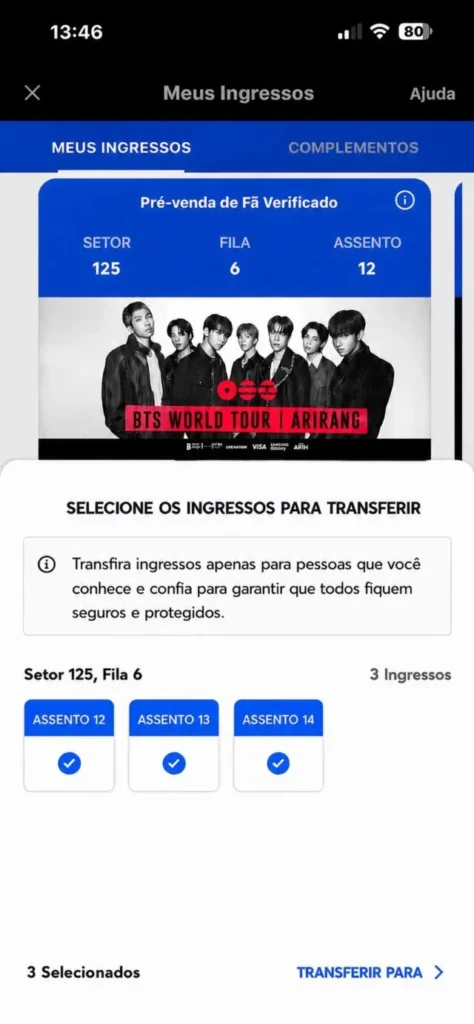
The 2026 world tour, which officially commenced on April 9 in Seoul, South Korea, was designed as a multi-continental celebration of the group’s reunion. After a series of record-breaking performances in Asia, the tour transitioned to the United States, with a scheduled stop in El Paso, Texas. Given that most venues sold out within minutes of the general sale, the secondary market has become a primary battleground for fans, known collectively as ARMY, who are desperate to secure a seat. However, this desperation has exposed many to fraudulent schemes that utilize AI-generated imagery to bypass standard verification checks.
The Anatomy of the AI-Generated Ticket Scam
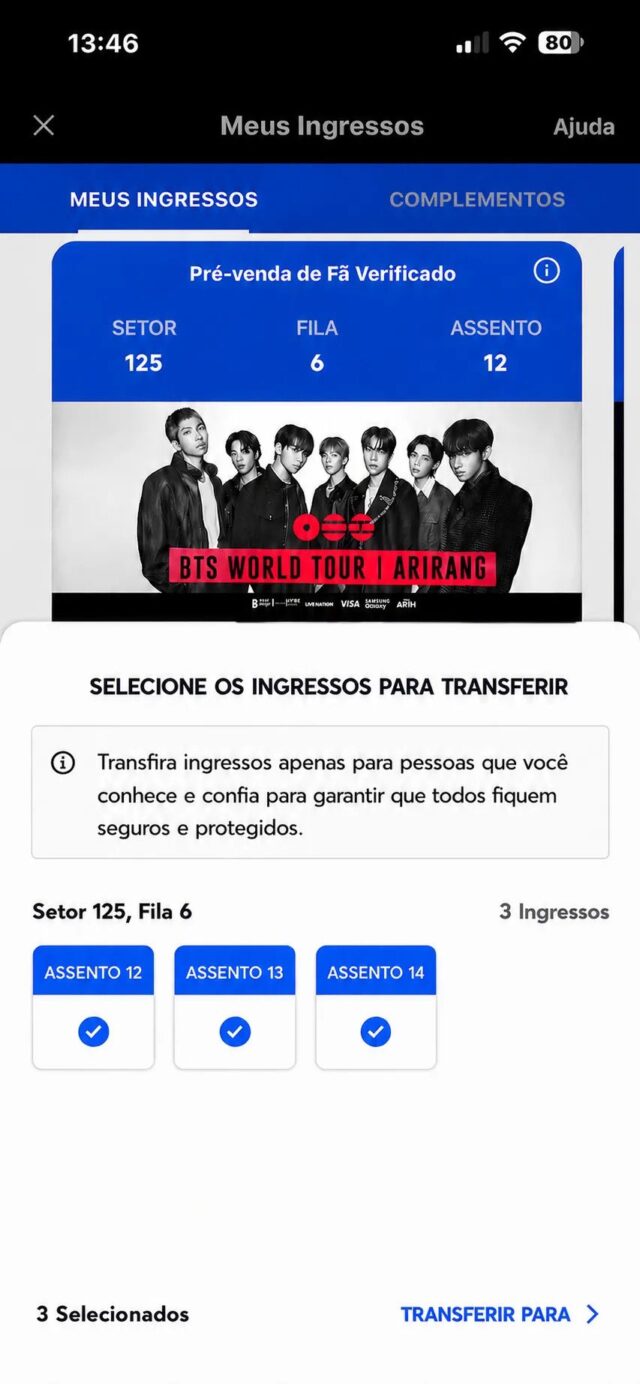
The incident began when a fan, identified by the social media handle @Laurathuann, attempted to verify the legitimacy of a resale ticket for the El Paso performance. In an effort to exercise due diligence, the fan requested a screenshot of the digital ticket from the seller. While ticket verification usually involves checking barcodes, seat numbers, and official app interfaces, many fans also look for promotional graphics included in the ticket wallet as a sign of authenticity.
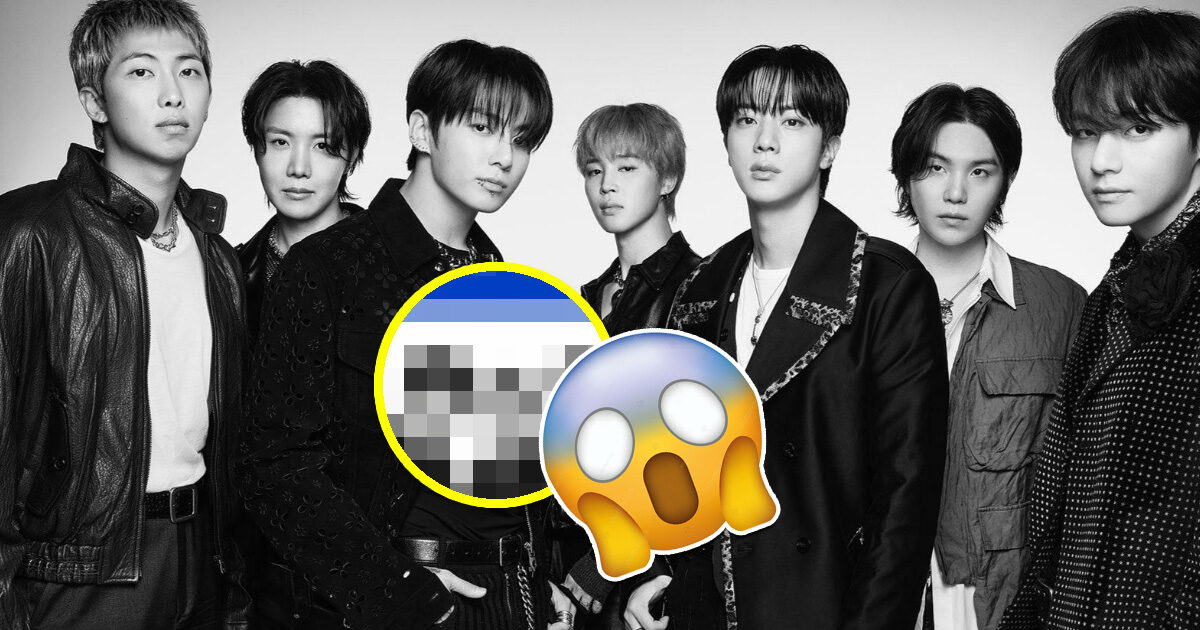
The seller in question provided a screenshot that, at a cursory glance, mimicked the interface of a major ticketing platform. However, the promotional group photo included in the screenshot featured what can only be described as "impostor" versions of the seven BTS members. Rather than using an official press photo from BIGHIT MUSIC or Rolling Stone, the scammer appeared to have utilized a low-quality generative AI tool to recreate the group’s likeness.

The resulting image featured seven individuals who bore only a passing resemblance to Jin, Suga, J-Hope, RM, Jimin, V, and Jungkook. The AI-generated figures displayed common hallmarks of early-stage synthetic media: distorted facial features, asymmetrical eyes, and skin textures that appeared wax-like or blurred. The viral reaction from the fanbase was immediate, with users on X (formerly Twitter) questioning the logic behind the scam. The phrase “Who the f**k are these people?” became a rallying cry for fans mocking the seller’s lack of effort, while others noted that the "face cards" of the AI impostors had effectively "declined."
Chronology of the 2026 World Tour and Ticketing Crisis
To understand the scale of this issue, one must look at the timeline of the BTS 2026 world tour, which has been characterized by extreme scarcity and high secondary-market valuations.
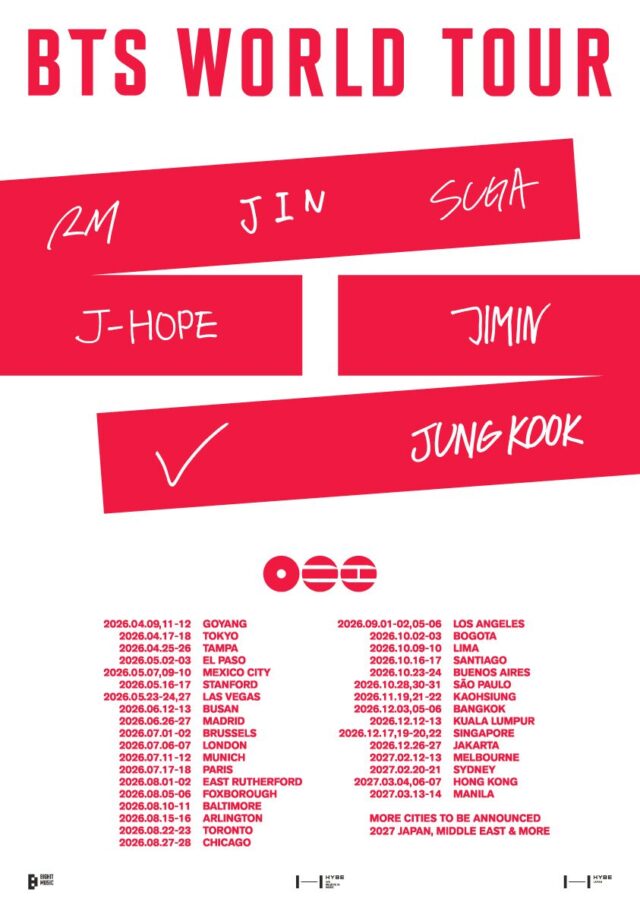
- January 2026: BIGHIT MUSIC announces the "Reunion" World Tour, the first full-group tour since the members completed their military obligations.
- February 2026: Pre-sale tickets for the North American leg sell out in under 10 minutes. Platforms report over 10 million concurrent users attempting to access the queue for the El Paso and Los Angeles dates.
- March 2026: The secondary market sees ticket prices for floor seats reaching upwards of $5,000 USD. Cybersecurity firms report a 300% increase in fraudulent domains mimicking official ticketing sites.
- April 9, 2026: The tour kicks off at the Seoul Olympic Stadium.
- April 27, 2026: The AI-generated photo scam goes viral, highlighting a new tactic where scammers use synthetic media to create "proof of purchase" documents that do not exist in reality.
The El Paso date, specifically, became a target for scammers due to its status as a mid-sized market with a high concentration of regional fans who may have missed out on tickets for larger hubs like Dallas or Houston.
Supporting Data on Concert Fraud and AI Misuse
The use of AI in concert scams is a growing trend identified by the Federal Trade Commission (FTC) and digital security experts. In 2025, the FTC reported that consumers lost over $150 million to ticket-related fraud, a 25% increase from the previous year. The integration of AI has allowed scammers to automate the creation of fake websites, generate convincing phishing emails, and, as seen in the BTS case, produce synthetic visual "proof" that can trick less tech-savvy buyers.
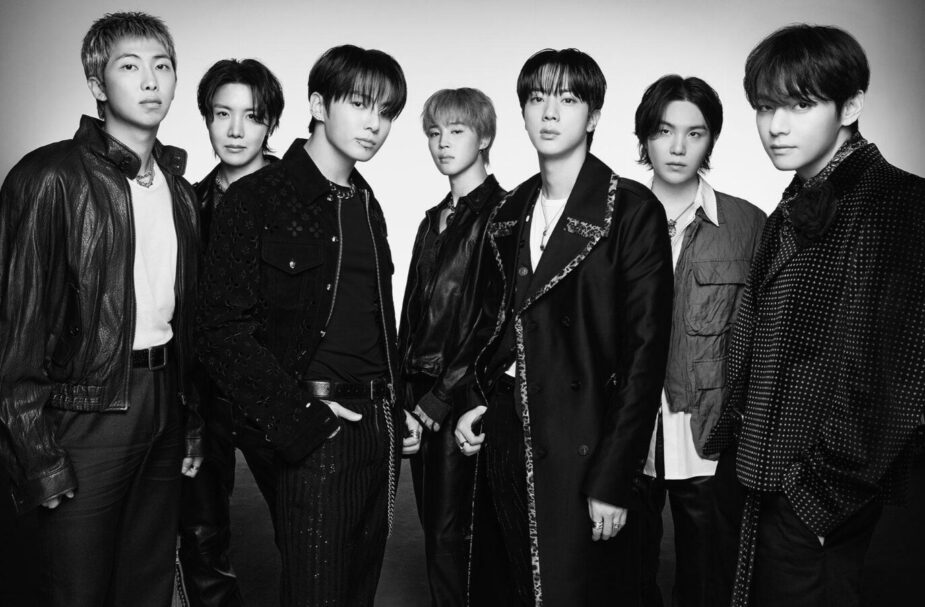
Experts suggest that scammers use AI-generated images for two primary reasons. First, it allows them to avoid automated copyright strikes that might occur if they used high-resolution official photography on certain platforms. Second, it creates a "unique" image that cannot be easily found via a reverse-image search, a common tool fans use to see if a seller has stolen a photo from another source. However, the technology’s current inability to perfectly replicate specific human celebrities—especially those as well-known as BTS—often results in the "nightmare-inducing" visuals that led to this specific scam’s exposure.
Reactions from the Fanbase and Industry Stakeholders
The reaction from the ARMY community has been a mixture of humor and caution. While the specific AI images were widely mocked for their poor quality, the incident served as a stark reminder of the risks associated with peer-to-peer transactions. Social media influencers within the K-pop community have since released guides on how to spot AI-generated "proof," advising fans to look for:
- Inconsistent Anatomy: Extra fingers, blurred ears, or mismatched eyes in group photos.
- Artifacting: Strange shadows or "halos" around the subjects.
- App Discrepancies: Mismatched fonts or low-resolution logos on what should be a high-fidelity ticketing interface.
While BIGHIT MUSIC and HYBE have not commented on this specific viral incident, they have historically maintained a strict policy against the secondary market. Official statements from the company consistently urge fans to use only authorized platforms like Weverse Shop or official partner venues. In a previous briefing regarding tour security, HYBE noted, "We are actively monitoring fraudulent activities and taking legal action against those who exploit the fans’ enthusiasm through counterfeit tickets and deceptive digital content."
Broader Impact and the Evolution of Digital Fraud
The BTS "group photo from hell" is more than just an internet meme; it represents a significant shift in the landscape of digital deception. As generative AI becomes more accessible, the barrier to entry for creating fraudulent content is lowering. While the scam in this instance was easily detectable due to the poor quality of the AI, the rapid advancement of the technology suggests that future attempts may be far more convincing.
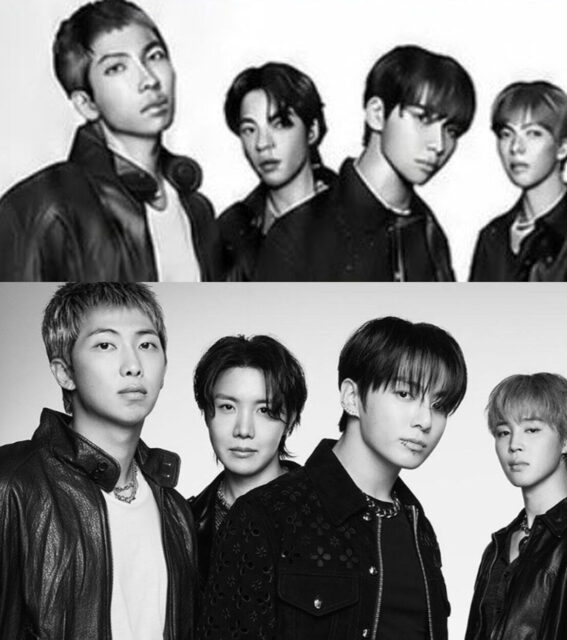
This incident also underscores the "Uncanny Valley" effect—a psychological phenomenon where a humanoid object bearing a near-perfect, but not quite exact, resemblance to a human being elicits feelings of eeriness and revulsion. For fans who have spent years following the specific visual nuances of the BTS members, the AI’s failure was glaring. However, for a casual observer or a parent purchasing tickets for a child, such a photo might have been enough to secure a fraudulent transaction.
Analysis of Implications for the Live Entertainment Industry
The persistence of these scams highlights a systemic failure in the global ticketing infrastructure. Despite the introduction of non-transferable digital tickets and verified fan programs, the demand for high-profile events continues to outpace the industry’s ability to protect consumers.

The use of AI-generated "proof" suggests that the next frontier of cybersecurity in the entertainment world will involve "Deepfake Detection" for consumer-to-consumer transactions. If scammers can eventually produce AI images that are indistinguishable from real photography, the traditional methods of "verifying" a seller through screenshots will become obsolete. This may force the industry toward a purely closed-loop system where tickets can only be resold through a centralized, artist-sanctioned platform with fixed pricing.
In conclusion, the viral BTS AI scam serves as a cautionary tale for the digital age. While the "impostor" group photo provided a moment of levity for the internet, it also exposed the persistent threats facing the modern music consumer. As BTS continues their 2026 world tour, the battle between fan enthusiasm and digital exploitation remains a central theme of the live music experience. Fans are urged to remain vigilant, as the "nightmare" of a fraudulent ticket is far more damaging than the "nightmare-inducing" AI faces that gave this scam away.
Related News