Reflections and Resolutions for the K-pop Industry A Look Ahead to 2015 and Beyond
Article Editorial Team

The transition from 2014 to 2015 represents a pivotal juncture for the South Korean music industry, following a year defined as much by internal turmoil and tragedy as by its continued global expansion. As the industry enters a new calendar year, stakeholders, analysts, and fans alike are calling for systemic reforms and strategic shifts to ensure the sustainability of the Hallyu Wave. The preceding twelve months were marked by high-profile legal disputes, devastating accidents, and a shifting landscape in idol-fan relations, prompting a collective desire for a more transparent, safe, and artistically diverse environment. This comprehensive review examines the primary expectations for 2015, ranging from individual artist development to the fundamental restructuring of idol management and safety protocols.

The Evolution of Individual Artistic Identity within Groups
One of the most prominent demands for the coming year is the diversification of solo opportunities for established group members. While the K-pop model has traditionally prioritized the collective brand of the group, there is a burgeoning movement toward allowing individual members to explore distinct musical colors. A primary case study in this demand is Gong Min-ji, known as Minzy, the youngest member of the global powerhouse 2NE1. Despite the group’s immense success and the solo ventures of leader CL—who began preparations for a high-profile U.S. debut in late 2014—Minzy has yet to release a solo project.
Industry critics argue that the "Big Bang model," where members like G-Dragon, Taeyang, and Seungri alternate between group activities and successful solo careers, should be more widely applied across other rosters, including female groups. Minzy’s situation is particularly noted by observers who point to her multifaceted skills in dance, rap, and vocals. As she balances her academic pursuits at university with her role in 2NE1, the market for soloists has matured, suggesting that 2015 could be an ideal window for artists of her caliber to showcase R&B, hip-hop, or ballad-heavy mini-albums.

This sentiment extends beyond YG Entertainment. Fans of groups such as Wonder Girls and INFINITE have expressed similar desires. For the Wonder Girls, following the marriage of Sunye and the departure of Sohee, the focus has shifted toward the potential for members like Yubin and Hyerim to release independent material. Similarly, the call for a second solo effort from INFINITE’s Sunggyu highlights a desire for "musically ambitious" projects that depart from standard idol pop, echoing the critical success of SHINee’s Taemin and Wonder Girls’ Yeeun (HA:TFELT) in 2014.
Transparency and the Legal Landscape of the "Dark Side"
The year 2014 is frequently cited as the most litigious in K-pop history. The industry was rocked by a series of contract disputes that exposed the "darker corners" of idol management. The most significant of these included the lawsuits filed by EXO members Kris (Wu Yifan) and Luhan against SM Entertainment, citing health issues and unfair treatment. This was mirrored by the entire six-member group B.A.P, who filed a lawsuit against TS Entertainment to nullify their contracts, alleging "slave contract" conditions and lack of transparency regarding profit distribution.

These incidents have dismantled the "fairy tale" image often projected by entertainment agencies. The legal fallout from these cases has significant implications for 2015. Analysts suggest that for the industry to maintain its international credibility, agencies must prioritize the human rights and personal freedoms of their artists. The departure of Jessica Jung from Girls’ Generation further underscored the tensions between an idol’s personal business ambitions and their group obligations.
The "Cassiopeia-JYJ" precedent of 2009 serves as a historical reminder of how such disputes can fracture fandoms and lead to years of industry-wide blacklisting. To avoid such outcomes, there is a pressing need for labels to adopt more flexible, "human-centric" contracts. As K-pop continues its global spread, the "first step to solving a problem is admitting it exists," and 2015 is seen as a year for agencies to move beyond forced facades toward genuine professional partnerships with their talent.

Media Innovation and Cultural Exchange
In the realm of variety and broadcast media, 2014 saw a shift toward more intellectual and culturally diverse programming. The success of JTBC’s Abnormal Summit (Bichesanghoedam) is a prime example. Featuring a panel of foreign men living in South Korea debating serious social issues in fluent Korean, the show provided a rare platform for honest cultural exchange.
The program’s popularity indicates a growing appetite for variety shows that go beyond slapstick humor and scripted interactions. However, the show also faced criticism regarding its representation of certain demographics and occasional stereotypical commentary. In 2015, the industry is expected to refine this format, introducing more diverse perspectives and moving away from repetitive tropes. Shows that encourage the public to form opinions on complex subjects—such as gender roles, work-life balance, and international relations—are viewed as essential tools for educating both the domestic audience and the international "Hallyu" community.

Addressing the Crisis of Road Safety
The most tragic chapter of 2014 was undoubtedly the fatal car accident involving the girl group Ladies’ Code in September. The deaths of members EunB and RiSe sent shockwaves through the industry and ignited a fierce debate regarding the safety of idol travel. K-pop groups are notorious for their grueling schedules, often requiring managers to drive at excessive speeds across the country to meet multiple commitments in a single day.
Industry experts and concerned citizens are calling for 2015 to be a year of zero accidents. This requires a fundamental shift in how schedules are managed. There is a demand for agencies to prioritize the lives of their staff and artists over logistical efficiency. The tragedy of Ladies’ Code served as a "rude awakening," and the industry’s response in 2015 will be measured by whether it implements stricter regulations on travel times and vehicle safety standards.

The Evolution of Fan Maturity and Privacy Rights
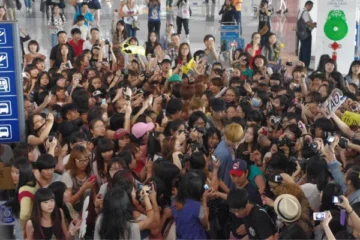
The relationship between idols and their fans remains one of the most complex dynamics in the K-pop ecosystem. In 2014, the "sasaeng" (stalker) fan culture continued to pose a threat to the safety and mental health of artists. Furthermore, the public reaction to dating scandals—such as the relationship between EXO’s Baekhyun and Girls’ Generation’s Taeyeon—revealed a persistent lack of maturity among segments of the fan base.
The resolution for 2015 involves a two-way street of respect. On one side, fans are urged to recognize idols as human beings with a right to a private life, including the freedom to date and move about in public without harassment. On the other side, idols and agencies are encouraged to be more culturally aware of their international fan bases. As K-pop artists increasingly perform on the global stage, avoiding cultural "faux pas"—such as the use of blackface or the misappropriation of religious symbols—is vital. A more mature fandom, coupled with more culturally sensitive artists, is seen as the key to a more harmonious global community.

Chronology of Key Events Shaping the 2015 Outlook
To understand the resolutions for the coming year, one must look at the timeline of events that necessitated them:
- May 2014: Kris of EXO files a lawsuit against SM Entertainment, initiating a wave of member departures from the group.
- July 2014: Abnormal Summit premieres, signaling a change in variety show demographics.
- September 2014: The Ladies’ Code tragedy occurs on the Yeongdong Expressway, leading to a national conversation on road safety.
- September 2014: Jessica Jung is informed she is no longer a member of Girls’ Generation, highlighting internal management conflicts.
- October 2014: Luhan of EXO follows Kris in filing a lawsuit to terminate his contract.
- November 2014: B.A.P files a collective lawsuit against TS Entertainment, bringing the issue of "slave contracts" back to the forefront of the media.
Broader Impact and Implications for the Global Market
The challenges faced in 2014 have led to a more cynical view of the K-pop industry from international observers. For the Hallyu Wave to continue its upward trajectory, the industry must demonstrate that it can learn from its mistakes. The shift toward solo projects and artistic autonomy is not just a fan wish; it is a business necessity to prevent "idol burnout" and to keep veteran artists relevant as they age out of the traditional "teen idol" demographic.

Furthermore, the legal reforms sparked by the 2014 lawsuits could lead to a more standardized and fair contractual environment across all agencies, not just the "Big Three" (SM, YG, JYP). If 2015 can successfully implement these changes, it will be remembered as the year K-pop transitioned from a "factory-style" production model to a more mature, sustainable, and respected global entertainment industry. The final hope for 2015 is that it will be a year of "joy, laughter, and great musical releases," free from the plagiarism controversies and tragedies that overshadowed the previous year. The industry stands at a crossroads, and the path it chooses in 2015 will define its legacy for the rest of the decade.
Related News