Navigating the Intersection of Black Culture and K-pop: Perspectives on Appropriation, Representation, and the Global Fandom Experience
Article Editorial Team
The global ascension of South Korean popular music, known as K-pop, is fundamentally intertwined with the history and evolution of Black musical traditions, ranging from rhythm and blues to hip-hop and soul. As the industry expands its footprint across North America, Europe, and Africa, the relationship between Korean creators and Black culture has come under intense scrutiny. While many artists express genuine admiration and find artistic inspiration in Black genres, the industry frequently encounters criticism regarding cultural appropriation, racial stereotyping, and a lack of historical context. For Black fans, who constitute a significant and vocal segment of the international audience, navigating this fandom involves a complex balance between appreciating the music and addressing the systemic issues that occasionally surface in music videos, styling, and lyrical content.
The Historical Foundation: From Seo Taiji to the Global Stage
The modern K-pop era is often cited as beginning in 1992 with the debut of Seo Taiji and Boys. Their integration of American rap and new jack swing into the Korean domestic market revolutionized the industry, shifting the focus from traditional ballads and "trot" music to a performance-based, Western-influenced model. Throughout the late 1990s and early 2000s, groups like H.O.T., Shinhwa, and g.o.d. further solidified the presence of R&B and hip-hop aesthetics in the Korean idol system.
By the 2010s, the influence of Black culture became even more explicit. Artists like Michael Jackson provided a blueprint for the rigorous choreography and visual storytelling seen in contemporary groups, while modern hip-hop icons like Kanye West and Drake became stylistic touchstones for "idol rappers." However, as K-pop transitioned from a domestic product to a global export, the "homage" paid to these influences began to face criticism when it drifted into caricature. The challenge for the industry has been distinguishing between authentic appreciation—characterized by an understanding of the genre’s roots—and appropriation, where cultural symbols are used as a "trendy" costume without regard for their historical weight.

Cultural Appropriation versus Appreciation in Visual Media
A recurring point of contention within the fandom is the use of Black aesthetics as a shorthand for "toughness" or "edginess." Roundtable discussions among prominent Black K-pop commentators, including analysts Camiele, Cjontai, and Taylore, have highlighted how certain concepts can become "cringe-inducing." Specifically, the 2015 release of 4Minute’s "Crazy" and Keith Ape’s "It G Ma" sparked debates about the "hip-hop concept" as a gimmick. When groups adopt hairstyles such as cornrows or use African American Vernacular English (AAVE) solely to project a "bad girl" or "bad boy" image, it is often perceived as a superficial imitation that ignores the social and political history of those styles.
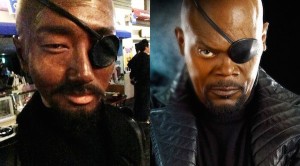
One of the most sensitive issues remains the use of racially insensitive imagery, such as the Confederate flag or the practice of blackface. In several instances, K-pop idols have worn clothing featuring the Confederate flag, often defended by some fans with the "Kanye West defense"—referencing the rapper’s controversial use of the symbol. However, critics argue that cultural ignorance is not a valid excuse in a digital age where South Korean entertainment companies are actively targeting the U.S. market. The lack of basic research into the historical significance of such symbols suggests a disconnect between the industry’s desire for global success and its willingness to engage with global social sensitivities.

Case Studies: Learning Curves and Recurring Mistakes
The industry’s track record with cultural sensitivity is a mixture of progress and regression. On one hand, certain artists have demonstrated a deep commitment to the roots of their chosen genres. BTS, for example, has been noted for recommending tracks by artists like D’Angelo, Prince, and India Arie, signaling a genuine interest in the lineage of R&B and soul. Their early career included the reality program American Hustle Life, which, despite its awkward moments, attempted to place the members in a learning environment with hip-hop legends like Warren G and Coolio.
Conversely, instances of blackface and the use of racial slurs continue to cause friction. The use of blackface in variety shows or as a comedic device—seen in past instances involving members of Super Junior and other veteran groups—is rooted in the history of minstrelsy, a fact often overlooked by domestic Korean audiences. Furthermore, when rappers like San E or Zico have used racial slurs in their lyrics, it has forced a confrontation between the artists and their international fanbases. While some companies, such as Seven Seasons (representing Block B at the time), have responded positively to fan education efforts, the "let it slide" attitude from non-Black fans often exacerbates the hurt felt by the Black community.

The Black Fan Experience: Invisibility and Desire
Beyond the actions of the idols themselves, the K-pop fandom environment presents unique challenges for Black fans. Representation in fan-produced content, such as "reader-insert" fanfiction, often defaults to a Eurocentric or East Asian phenotype. Taylore, a contributor to the Seoulbeats discussion, noted that descriptions of a protagonist’s hair or skin tone often exclude the physical realities of Black fans, creating a sense of invisibility within the very community they support.
Furthermore, the "lovey-dovey" illusion promoted by the idol industry—the idea that the artist is a potential romantic partner for the fan—is often viewed through a different lens by Black women. The historical "indoctrination" regarding beauty standards, which often prioritizes fair skin, can make the romantic fantasy feel inaccessible. Black fans frequently report feeling that their sensuality is only acknowledged through "exoticized" lenses or through the narrow archetypes of pop stars like Beyoncé or Nicki Minaj. This creates a dichotomy where Black fans are essential to the global consumption of the music, yet feel marginalized within the social structures of the fandom.
Industry Implications and Data-Driven Shifts
The necessity for cultural literacy in K-pop is no longer just a social imperative but a business one. According to the International Federation of the Phonographic Industry (IFPI), South Korea is one of the fastest-growing music markets in the world, with K-pop driving significant revenue in the West. As of 2023, the United States represents the second-largest market for K-pop physical sales outside of Japan.
This economic reality has led to a slow but observable shift in how major labels handle cultural controversies:

- Direct Communication: Labels are increasingly hiring international staff to vet concepts and lyrics before release.
- Educational Initiatives: Newer groups are often given "cultural sensitivity" training as part of their trainee period to avoid the pitfalls of their predecessors.
- Collaborations: Rather than just imitating styles, companies are seeking direct collaborations with Black producers and songwriters (e.g., Teddy Riley’s work with SM Entertainment) to ensure a more authentic sound.
Analysis of Broader Impacts
The tension between K-pop and Black culture is a microcosm of globalized media. When a culture is "isolated," as some describe South Korea’s historical stance, the sudden influx of global influences can lead to a "sampling" culture that lacks depth. However, as Black fans continue to demand respect and accountability, they are forcing the K-pop industry to mature.
The goal for many is not to stop K-pop from using hip-hop or R&B, but to ensure that the "roots" of the music are respected. As Cjontai noted, without the influence of Black artists, the K-pop landscape would be devoid of its most popular genres, including the works of EXO, Big Bang, and Epik High. The "kaleidoscope" of music requires a variety of voices, but those voices must be heard with an understanding of the history they carry.

Ultimately, the survival and continued growth of K-pop in the West depend on its ability to move from "appropriation" to "partnership." By acknowledging the contributions of the Black community and treating Black fans as a vital, respected part of the audience rather than an afterthought, the industry can bridge the gap between its Korean origins and its global future. The conversation started by fans today serves as a roadmap for an industry that must learn that true artistry cannot exist without cultural empathy.
Related News