The Cultural Resonance of the Arirang Smartphone and the Historical Evolution of the Korean National Identity
Article Editorial Team
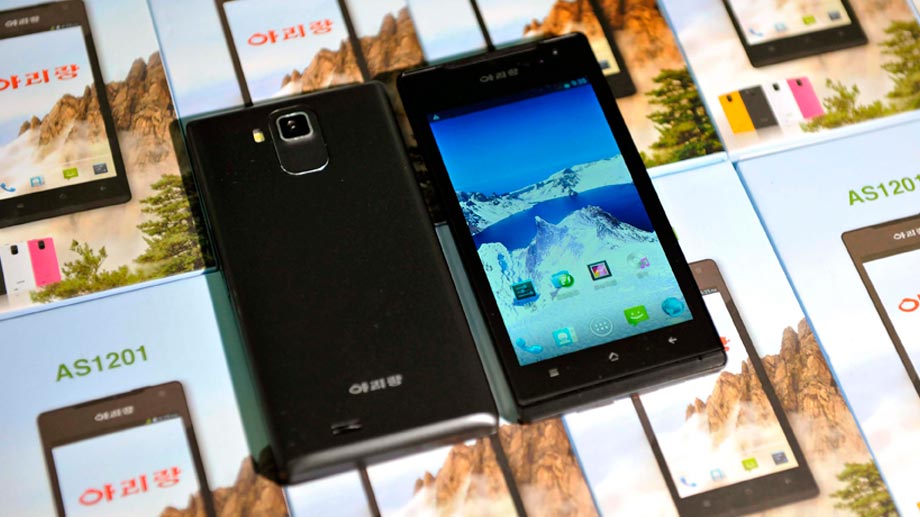
The government of the Democratic People’s Republic of Korea (DPRK) recently announced the launch of its first domestically produced smartphone, a device branded with the evocative name Arirang. While the unveiling of a mobile communication device in the reclusive state is a notable technological milestone, the naming of the product after Korea’s most famous traditional folk song carries deep socio-political weight. This development occurs against a backdrop of enduring military tension on the Korean peninsula, where the rivalry between the North and South permeates every facet of life, from geopolitical maneuvering to the branding of consumer electronics. By analyzing the history of the song "Arirang," the context of the Korean division, and the current state of regional technology, a clearer picture emerges of how cultural symbols are utilized to bolster nationalistic sentiment in a fragmented region.
The Unveiling of the Arirang Smartphone
In a series of reports released by the Korean Central News Agency (KCNA), North Korean leader Kim Jong-un was pictured visiting a processing factory where the Arirang smartphone, specifically the AS1201 model, was reportedly being manufactured. State media emphasized that the device was built using "indigenous technology," praising the "creative ingenuity and patriotic enthusiasm" of the workers. The smartphone features a touch-screen interface, a high-pixel camera, and operates on a modified version of the Android operating system.
However, international technology analysts have expressed significant skepticism regarding the "indigenous" nature of the device. Observations of the hardware suggest that the Arirang AS1201 is likely a rebranded version of the Uniscope U70, a Chinese-manufactured smartphone. Experts suggest that while the final assembly or software localization may occur within North Korean borders, the core components and design are almost certainly imported from China. Despite these technical caveats, the symbolic importance of the Arirang smartphone within the DPRK cannot be overstated. It represents an attempt by the regime to project an image of modernity and self-reliance (Juche) to its citizens, even as the country remains largely disconnected from the global internet.
The Cultural Significance of Arirang
To understand why the name "Arirang" was chosen for a flagship technology product, one must understand the song’s status as the unofficial anthem of the Korean people. "Arirang" is a lyrical folk song characterized by its simple melody and themes of longing, sorrow, and separation. In 2012, following an extensive campaign by the Republic of Korea (ROK), the song was officially inscribed on UNESCO’s Representative List of the Intangible Cultural Heritage of Humanity.
Musically, "Arirang" is built on a pentatonic scale, making it easy to sing and adapt into various regional versions. There are estimated to be thousands of variations of the song, with the "Bon Arirang" (Standard Arirang) being the most recognized. Lyrically, the song describes a protagonist watching a loved one depart over the "Arirang Pass." While the lyrics are often seen as melancholic or even nonsensical in certain dialects, the emotional core of the song resonates with the Korean concept of Han—a collective feeling of grief and resentment stemming from a history of suffering and foreign intervention.
Historical Chronology: From Occupation to Division
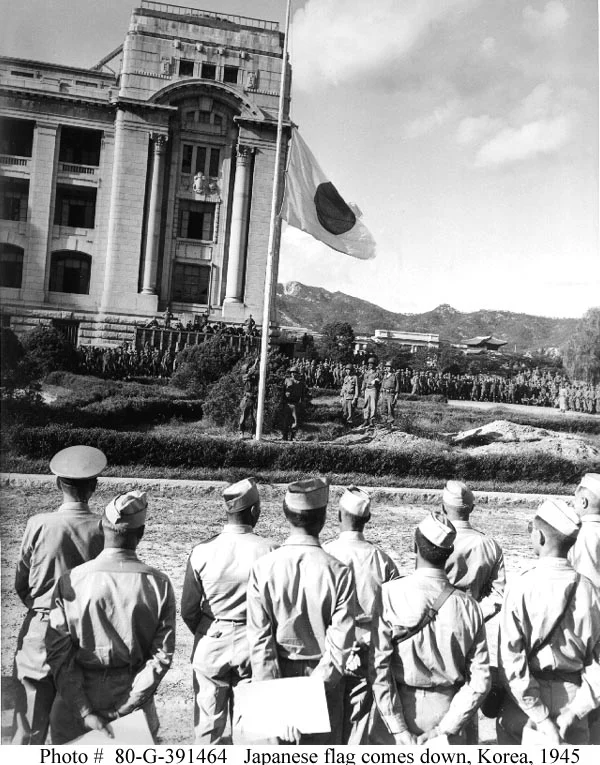
The transformation of "Arirang" from a simple folk tune into a powerful nationalist symbol began in the early 20th century. During the Japanese colonial occupation of Korea (1910–1945), the song became a rallying cry for Korean independence. Because the lyrics were seemingly apolitical, Koreans could sing "Arirang" in public without immediately drawing the ire of Japanese censors, yet the subtext of longing for a "lost lover" was widely understood as a metaphor for a lost homeland.
- 1910–1945: The Japanese Empire annexes Korea. "Arirang" gains popularity as a symbol of resistance and ethnic identity.
- 1926: The silent film Arirang, directed by Na Woon-gyu, is released. It depicts a Korean man driven to madness by the occupation, further cementing the song’s association with national struggle.
- 1945: Following the surrender of Japan at the end of World War II, the Korean peninsula is liberated but subsequently divided into two occupation zones by the United States and the Soviet Union.
- 1950–1953: The Korean War ravages the peninsula, resulting in a permanent division at the 38th parallel and the establishment of the Demilitarized Zone (DMZ).
- 1960s–Present: Both North and South Korea claim "Arirang" as their own, using it in state ceremonies, sporting events, and cultural exports.
The division of the peninsula created a unique situation where two diametrically opposed political systems continue to share a singular cultural vocabulary. By naming its smartphone "Arirang," the North Korean government is tapping into a pre-division heritage that precedes the ideological split, attempting to frame the Kim dynasty as the true protectors of the Korean spirit.
The Paradox of Cross-Border Cultural Consumption
The use of "Arirang" as a brand name is also a response to the growing influence of South Korean soft power, known as the Hallyu or the Korean Wave. Despite the DPRK’s strict controls on foreign media, reports from defectors and humanitarian organizations suggest that South Korean dramas (K-dramas) and pop music (K-pop) are widely consumed in the North via smuggled USB drives and DVDs.
The North Korean leadership faces a dilemma: they must modernize to maintain domestic stability and international standing, but they must also guard against the "ideological pollution" of Southern capitalism. The Arirang smartphone is a physical manifestation of this tension. It offers the aesthetic of modern South Korean technology—reminiscent of Samsung’s Galaxy line—while keeping the user confined to a closed domestic intranet (Kwangmyong).

Interestingly, this cultural overlap extends to Japan as well. Despite the historical animosity between Korea and Japan, "Arirang" became a major hit in mainland Japan as early as 1931. To the Japanese audience of the time, the song represented a "pan-East Asian" identity and a sense of nostalgia for a simpler, agrarian past. Today, a similar phenomenon occurs with K-pop; despite diplomatic disputes over territories like the Liancourt Rocks (Dokdo/Takeshima) and historical grievances, South Korean entertainment remains immensely popular in Japan.
Supporting Data: The Digital Divide and Regional Competition
The launch of the Arirang smartphone highlights the stark economic and technological contrast between the two Koreas. While North Korea celebrates the assembly of a basic smartphone, South Korea has become a global leader in information technology.
- Market Dominance: As of 2013, Samsung Electronics, a South Korean conglomerate, held approximately 32% of the global smartphone market share, significantly outpacing competitors like Apple and Sony.
- Connectivity: South Korea consistently ranks among the countries with the highest average internet connection speeds and smartphone penetration rates (exceeding 80% by 2013).
- The North Korean Context: In contrast, North Korea’s mobile network, Koryolink (a joint venture with Egypt’s Orascom), serves roughly 2 million subscribers in a population of 24 million. Most users are restricted to voice calls and text messages, with no access to the global internet.
The Arirang smartphone is therefore not just a communication tool; it is a defensive measure. By providing a "domestic" alternative, the DPRK aims to satisfy the growing demand for technology while ensuring that the hardware remains under state surveillance and control.
Official Responses and Implications
International reactions to the Arirang smartphone have ranged from amusement to concern. Analysts at the North Korea Tech blog and the Committee for Human Rights in North Korea (HRNK) note that the device likely contains pre-installed software designed to monitor user activity and restrict the viewing of unapproved files.
South Korean officials have generally viewed the development as an expected step in the North’s "modernization theater." A spokesperson for the ROK Ministry of Unification noted that while the North seeks to improve its image through technology, the fundamental lack of freedom of information remains a barrier to genuine progress.
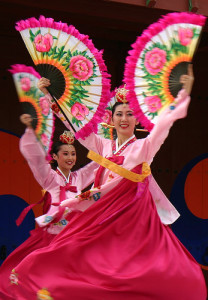
The broader implications of the Arirang smartphone lie in what it reveals about the durability of Korean identity. Despite decades of separation, the fact that "Arirang" remains the most viable brand name for a new product suggests that the cultural foundations of the peninsula remain intact. However, the application of this name to a device that facilitates state control serves as a reminder of the different directions the two Koreas have taken.
Conclusion: A Shared Aesthetic in a Divided Land
The Arirang smartphone is a complex symbol of the current state of East Asian relations. It is a product that embodies the desire for technological parity, the necessity of political propaganda, and the enduring power of traditional culture. While the device itself may be a modest entry into the world of mobile technology, its name links the North Korean regime to a thousand-year history of Korean resilience.
Ultimately, the shared appreciation for "Arirang" across North Korea, South Korea, and even Japan suggests that cultural properties can transcend even the most rigid political borders. Whether it is a folk song from the 19th century or a smartphone from the 21st, these cultural touchstones continue to define the identity of a peninsula that remains one of the world’s most volatile yet culturally vibrant regions. As technology continues to evolve, the "Arirang Pass" remains a fitting metaphor for the difficult journey toward reconciliation and the persistent hope for a unified future.
Related News