TV Star Gets A Call From The FBI For Romance Scamming
Article Editorial Team
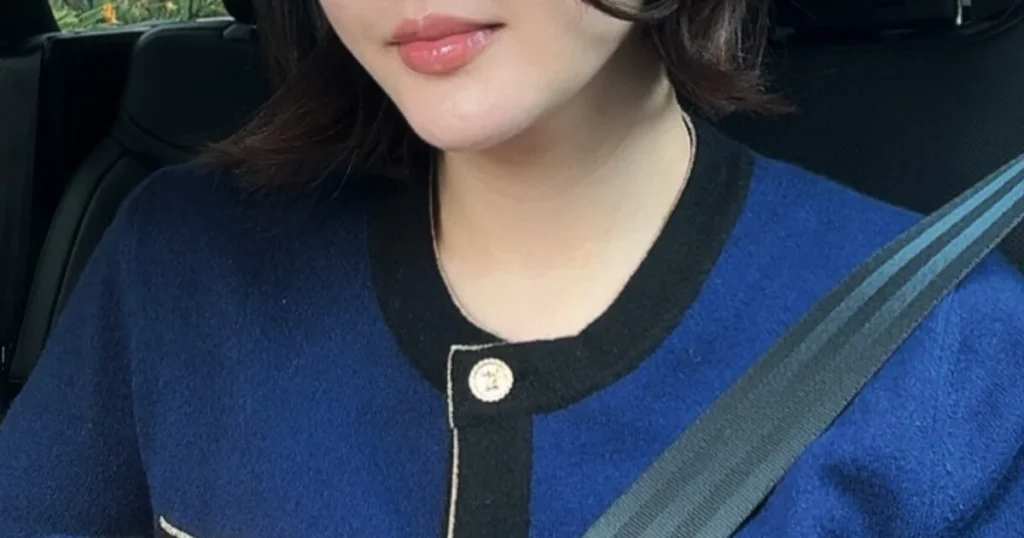
Park Eun Ji, a prominent South Korean television personality and former weathercaster, recently found herself at the center of an international criminal investigation after her likeness was misappropriated by cybercriminals to facilitate a high-stakes romance scam. The incident, which escalated to the involvement of the United States Federal Bureau of Investigation (FBI), highlights the growing vulnerability of public figures to identity theft and the increasingly sophisticated methods used by international fraud syndicates to exploit the digital footprints of celebrities.
On April 23, 2026, Park took to her official social media platforms to issue an urgent warning to her followers and the general public. The revelation came after she discovered yet another unauthorized account using her photographs and personal details to solicit engagement from unsuspecting users. However, unlike previous instances of routine social media impersonation, this case involved a coordinated effort to defraud individuals through romantic manipulation—a practice commonly referred to as "romance scamming" or "catfishing."
The Chronology of the Investigation
The situation reached a critical juncture when federal agents from the FBI contacted Park to verify her identity in relation to an ongoing fraud case. According to Park’s statement, the scammers had been using her images to build rapport with victims, eventually leading to financial solicitation. The investigation revealed that a third party, identified by Park as a woman of Chinese nationality, had been operating under her guise to execute these deceptive schemes.
The involvement of the FBI suggests that the victims may include U.S. citizens or that the financial transactions associated with the scam passed through American financial institutions. Park, who currently resides in the United States with her family, became a person of interest not as a suspect, but as the victim of identity theft whose image was being used to provide a "face" to the criminal enterprise.
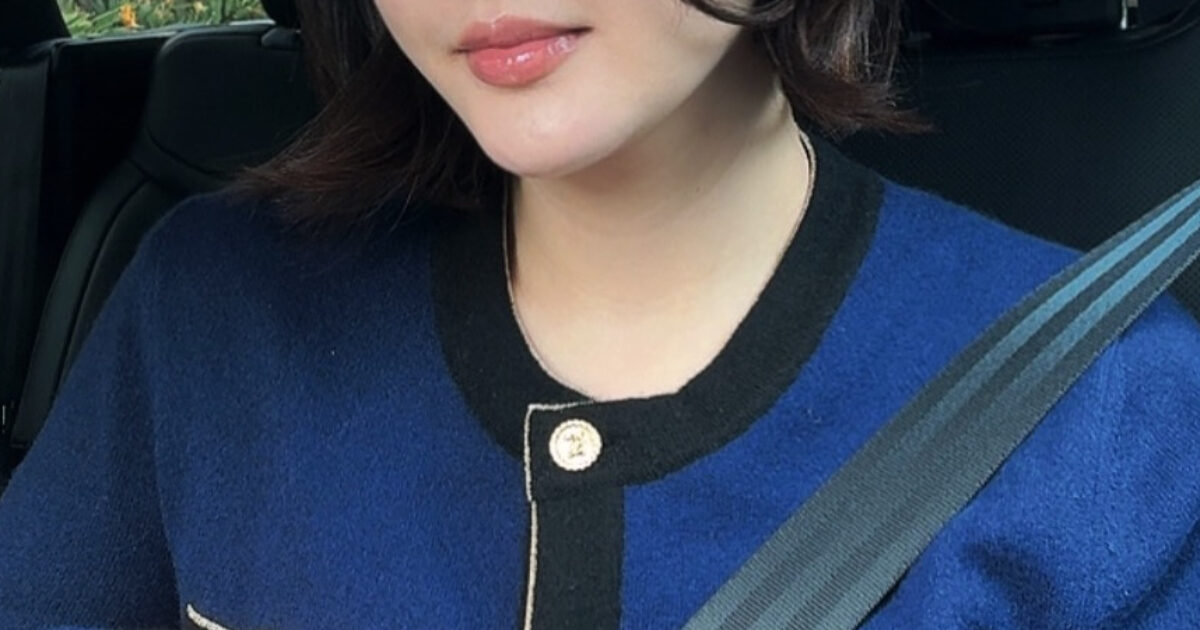
The confusion regarding Park’s involvement was reportedly resolved through the intervention of her husband. In a detail that added a touch of levity to an otherwise harrowing situation, Park’s husband provided a definitive defense to federal authorities. He noted that the sophisticated English prose used by the scammer to woo victims did not match his wife’s actual English proficiency level. This linguistic discrepancy served as a primary piece of evidence that the individual behind the messages was an impostor.
"The FBI actually contacted me to check if it was really me," Park shared with her followers. "But my husband immediately confirmed it wasn’t me, saying, ‘My wife isn’t good at English.’" While Park recounted the anecdote with a sense of irony, the underlying reality remains a sober reminder of the risks associated with global fame in the digital age.
Background: Park Eun Ji’s Transition to the Global Stage
Park Eun Ji first rose to national prominence in South Korea as a weathercaster for MBC (Munhwa Broadcasting Corporation). Her charisma and professional delivery made her one of the most recognizable faces in Korean news media during the late 2000s and early 2010s. Following her successful career in broadcast journalism, she successfully transitioned into a versatile TV personality, appearing in various variety shows, dramas, and fashion programs.
In 2018, Park married a Korean-American office worker and subsequently relocated to the United States. Since her move, she has maintained a dual presence, balancing her life in America with frequent professional engagements in South Korea. Her lifestyle, which she frequently documents for her large social media following, provides a wealth of visual content—photos of her daily life, fashion choices, and family outings—which, unfortunately, serves as a repository for bad actors looking for authentic-looking imagery to fuel fake profiles.
The Mechanics of Modern Romance Scams
The case involving Park Eun Ji is emblematic of a broader trend in cybercrime. Romance scams have evolved from simple "Nigerian Prince" emails into complex, long-term psychological operations known as "Pig Butchering" (Sha Zhu Pan). In these scenarios, scammers spend weeks or even months building a romantic or emotional connection with a victim before introducing a "lucrative" investment opportunity or requesting emergency financial assistance.

By using the photos of a real, verifiable celebrity like Park Eun Ji, scammers add a layer of perceived legitimacy to their profiles. If a victim searches for the image, they find a real person with a verified history, which can often bypass the initial skepticism of the target. According to data from the FBI’s Internet Crime Complaint Center (IC3), romance scams account for billions of dollars in losses annually. In 2023 alone, the IC3 reported that victims lost over $1.1 billion to confidence fraud and romance scams, a number that has seen a steady incline as social media platforms become more integrated into daily life.
Supporting Data and the Impact on Public Figures
The misappropriation of celebrity identities is not a localized issue. In South Korea, several high-profile figures have faced similar challenges. Notably, actress Yoo In Na was previously linked to a case where her identity was used to dupe a victim out of millions of won without her knowledge. Similarly, actors like Gong Yoo and various K-pop idols have frequently issued statements regarding "fandom scams" where impersonators solicit "donations" or "membership fees."
For the public figure, the impact of such scams extends beyond personal annoyance. It poses a significant threat to their professional reputation and brand value. When a celebrity’s face is associated with financial ruin and emotional trauma, the psychological toll on the artist can be immense. Furthermore, it creates a "trust deficit" between the celebrity and their genuine fanbase.
The legal landscape for addressing these crimes remains fraught with difficulty. Because many of these scam operations are based in jurisdictions outside the reach of the victim’s local law enforcement—such as Southeast Asian "scam compounds" or decentralized networks across East Asia—prosecution is rare. The FBI’s involvement in Park’s case highlights the necessity of international cooperation, but even with federal resources, identifying the true orchestrators behind a screen remains a monumental task.
Official Responses and Preventive Measures
While the FBI does not typically comment on specific ongoing investigations involving private citizens, the bureau has issued standing guidance for individuals whose identities have been compromised. They recommend that victims of identity theft file a report through the IC3 portal and maintain a record of all fraudulent accounts discovered.

Social media platforms, including Instagram and Meta, have also come under fire for their perceived lack of agility in removing impersonation accounts. Although "verified" blue checks are intended to signal authenticity, the proliferation of "tribute" or "fan" accounts often creates a gray area that scammers exploit. Park Eun Ji’s experience of having to "repeatedly" report these accounts suggests that current automated reporting systems may be insufficient in curbing persistent bad actors.
Legal experts suggest that public figures should consider the following protective measures:
- Digital Watermarking: Using subtle watermarks on high-quality personal photos to make them less appealing for reuse.
- Proactive Monitoring: Utilizing AI-driven brand protection services that scan the web for unauthorized use of a client’s likeness.
- Public Education: Regularly reminding followers that the celebrity will never solicit money or personal financial information via direct message.
Broader Implications and Analysis
The escalation of Park Eun Ji’s case to a federal level serves as a bellwether for the future of digital identity. As generative AI and deepfake technology become more accessible, the ability of scammers to create convincing video and audio messages using a celebrity’s likeness will only increase. The fact that Park’s husband was able to debunk the scam based on her "English proficiency" might soon be a defense of the past, as AI translation tools can now mimic a person’s syntax and tone with startling accuracy.
Furthermore, this incident underscores the "borderless" nature of modern crime. A South Korean celebrity living in the U.S. being impersonated by a Chinese national to target global victims creates a jurisdictional nightmare that requires a level of diplomatic and legal coordination that is currently in its infancy.
In conclusion, while Park Eun Ji has successfully cleared her name with the FBI, the event serves as a stark warning to both celebrities and the public. For the star, it is a reminder that visibility carries a tax of constant vigilance. For the public, it is a lesson in digital literacy: in an era of curated online personas, the person on the other side of the screen may not always be who their profile picture claims they are. Park’s blunt message to scammers to "stop pretending" reflects a growing frustration among public figures who find themselves unwilling participants in global criminal enterprises. As the investigation continues, it remains to be seen if the authorities can track the financial trail back to the source, but for now, Park Eun Ji remains committed to protecting her identity and her followers from further exploitation.
Related News