50-Year-Old Idol Celebrates Her 30th Debut Anniversary
Article Editorial Team

The Milestone Performance: Celebrating Thirty Years
The 30th-anniversary concert was the culmination of a journey that began in 1996. Performing in her hometown of Nagoya, Morishita Junna took to the stage with the same vigor that characterized her early career. The event was characterized by a setlist that spanned her entire discography, including her work as a soloist and as a member of the duo Puppy Love. For fans who have followed her since the late 20th century, the performance was a nostalgic trip; for newer observers, it was a masterclass in the "eternal idol" persona.
Morishita’s choice to maintain her signature style—specifically, the frilly, "kawaii" (cute) dresses and elaborate ribbons associated with younger performers—has become a cornerstone of her brand. While social expectations in Japan often dictate that women in their 50s adopt more conservative or "age-appropriate" fashions, Morishita has doubled down on the aesthetic that brought her fame. Industry analysts note that her refusal to pivot to a more mature, subdued image is a deliberate act of brand consistency that resonates deeply with a dedicated, aging fan base that values the preservation of the "idol dream."
A Historical Overview: From the 1990s to the Present
Morishita Junna was born in 1975 and entered the entertainment world during the "Idol Ice Age" of the early 1990s, a period when the massive idol boom of the 1980s had cooled, giving way to the rise of dance-vocal groups and rock bands. Despite the challenging market, she debuted in 1996, a year that saw the industry beginning to shift toward the multi-media idol models that would eventually lead to the massive success of groups like Morning Musume.

Throughout the late 90s and early 2000s, Morishita navigated the complexities of a solo career while also participating in unit activities. Her group, Puppy Love, contributed to the vibrant "chika idol" (underground idol) and regional idol scenes that provided an alternative to the mainstream Oricon-chart-topping acts. Over thirty years, she has witnessed the transition from physical CD sales to the digital streaming era, adapting her promotional strategies to include social media platforms like Instagram and X (formerly Twitter) to maintain a direct line of communication with her supporters.
Navigating Loss and the 2023 Crisis
The path to her 30th anniversary was nearly derailed in 2023 following the death of her longtime manager. In the Japanese idol industry, the relationship between a performer and their manager is often foundational, involving not just business logistics but emotional support and career mapping. The passing of her mentor left Morishita in a state of profound grief and professional uncertainty.
"When my manager passed away, I truly wondered if I could continue," Morishita reflected in recent communications with her fan club. The practical burdens of self-management—booking venues, coordinating costumes, and managing PR—felt insurmountable for a soloist who had relied on a trusted partner for decades. However, she cites the "Oshikatsu" (fan support activities) of her followers as the primary catalyst for her return. Her fans, many of whom have aged alongside her, provided the financial and emotional scaffolding necessary for her to reorganize her career as an independent artist.
The Changing Face of the Japanese Idol Industry
Morishita Junna’s continued activity at age 50 is reflective of a broader sociological shift in Japan. As the nation grapples with one of the world’s most rapidly aging populations, the entertainment industry is seeing the emergence of "Silver Idols" and "Adult Idols." Historically, female idols were expected to retire by their mid-20s, a concept known as "graduation." However, the success of veteran stars like Matsuda Seiko and the members of the "Arasurī" (Around 30) and "Arafō" (Around 40) idol groups has paved the way for performers like Morishita.

Data from the Japanese music market suggests that the "fan-lifetime value" is increasing. Older fans, who have more disposable income than the younger "Z-generation," are willing to spend significantly on tickets, merchandise, and "Cheki" (instax photo) sessions with performers they have supported for decades. This economic reality allows veteran idols to maintain sustainable careers outside of the mainstream spotlight. Morishita’s career trajectory demonstrates that the "idol" role is no longer strictly a temporary phase of youth but can be a lifelong professional vocation.
Societal Implications and the Defiance of Ageism
Morishita’s commitment to her frilly, youthful aesthetic serves as a point of discussion regarding ageism in East Asian societies. In Japan, the concept of "Toshisō" (acting one’s age) remains a powerful social lubricant. By appearing on stage in outfits typically reserved for teenagers or women in their early 20s, Morishita explicitly challenges the notion that aging requires a loss of playfulness or a rejection of "kawaii" culture.
Psychologists observing the idol phenomenon suggest that performers like Morishita provide a form of "vicarious resilience" for their audience. For women of her generation, seeing a contemporary thrive in a youth-centric industry offers a sense of empowerment. It suggests that personal identity and style do not have an expiration date. Morishita herself has noted that she is gratified to see "kawaii" fashion becoming popular again across various age groups, allowing her signature style to feel both vintage and contemporary simultaneously.
Timeline of Key Career Milestones
- 1975: Born in Nagoya, Japan.
- Early 1990s: Begins training and early entertainment activities as a teenager.
- 1996: Official major debut as a recording artist.
- 2000s-2010s: Consistent activity as a soloist and member of the duo Puppy Love; establishes a presence in the regional Nagoya idol scene.
- 2023: Death of her longtime manager; Morishita briefly considers retirement due to grief and the complexities of independent management.
- 2024-2025: Re-emergence as a fully independent soloist, leveraging social media to crowdfund and promote her activities.
- April 5, 2026: Celebrates her 30th debut anniversary with a sold-out solo concert.
The Role of Fan Support in Longevity
The relationship between Morishita and her "wota" (dedicated fans) is a testament to the unique loyalty found within the Japanese idol ecosystem. Unlike western pop stars who may rely on broad, fleeting mainstream appeal, Japanese idols often cultivate deep, personal connections with a smaller, more dedicated core group.
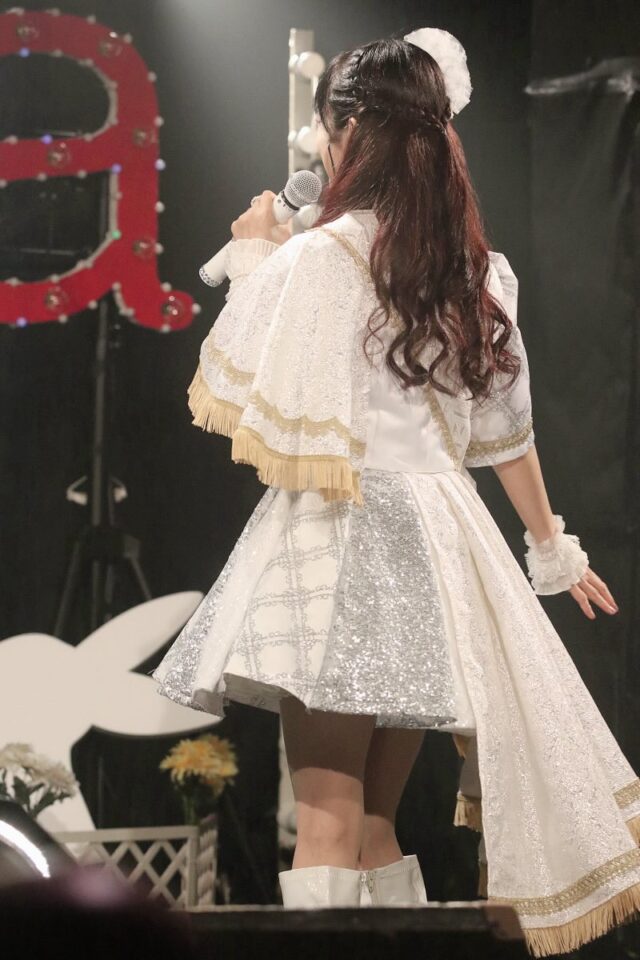
For Morishita’s 30th anniversary, fans organized various tributes, including floral arrangements and commemorative gifts, a tradition that has remained unchanged since her debut in 1996. This symbiotic relationship is what Morishita credits for her survival in the industry. She has moved away from the youthful ambition of "selling out stadiums" and has instead focused on the "quality of the moment." Her current philosophy centers on shared experiences and the joy of the performance itself, rather than commercial metrics.
Future Outlook and Industry Impact
As Morishita Junna enters her fourth decade as a performer, she shows no signs of slowing down. She has publicly stated her intention to continue her idol activities "as long as her body allows." This determination is setting a precedent for the next generation of performers. In an industry where mental health and the pressures of aging are frequently discussed, her resilience provides a blueprint for a long-term, sustainable career.
The implications for the music industry are clear: there is a viable market for veteran idols. Talent agencies are beginning to recognize that "graduation" does not have to be the end of an idol’s career. Morishita’s success as an independent artist also highlights the democratization of the industry; with digital tools and a loyal fan base, an artist can bypass traditional gatekeepers and maintain a career well into their 50s and beyond.
In conclusion, Morishita Junna’s 30th-anniversary celebration is more than a personal victory; it is a cultural marker. It represents the blurring of age boundaries in pop culture and the enduring power of the "idol" spirit. By staying true to her "kawaii" roots and navigating the personal and professional hurdles of three decades, she remains a symbol of longevity and authenticity in a famously fickle industry. As she moves forward, her career will likely continue to serve as a case study in the evolution of the J-pop idol, proving that the sparkle of the stage does not have to dim with age.
Related News