
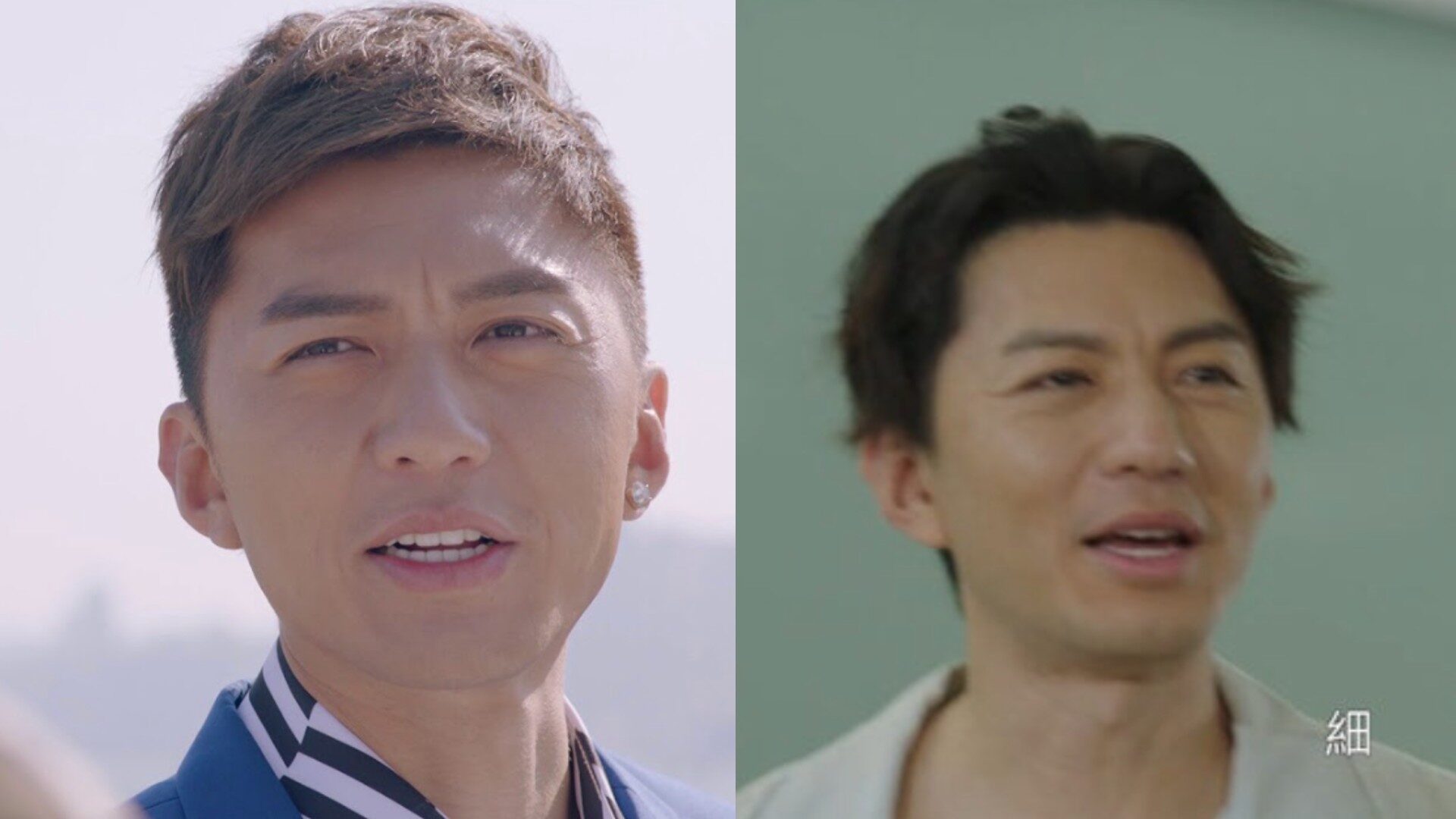
Hong Kong actor Benjamin Yuen, a prominent figure in the city’s entertainment landscape, has recently found himself at the center of an online discussion regarding his appearance, with some netizens remarking on what they perceive as "rapid aging" or a "glow-down." The former Mr. Hong Kong winner, however, has responded to the scrutiny with a refreshingly straightforward and unapologetic stance, asserting that aging is a natural and inevitable part of life. His comments have sparked a broader conversation about societal expectations, ageism in the entertainment industry, and the increasing pressure on public figures to maintain an idealized youthful image.
Benjamin Yuen: From Pageant King to Screen Veteran
Benjamin Yuen Wai-ho, born on May 11, 1981, first rose to public prominence in 2007 when he clinched the title of Mr. Hong Kong, a beauty pageant organized by Television Broadcasts Limited (TVB). His victory marked his entry into the highly competitive Hong Kong entertainment scene, a career path that often demands not only talent but also a meticulously maintained public image. Following his pageant success, Yuen quickly transitioned into acting, becoming a familiar face on TVB dramas.
His career steadily gained momentum, with Yuen taking on increasingly significant roles. He is widely recognized for his compelling performances in acclaimed TVB series such as A Fist Within Four Walls (2016) and Stealing Seconds (2018), which showcased his versatility and dramatic range. These roles solidified his reputation as a capable actor, moving beyond the initial label of a pageant winner. Throughout his career, particularly during his earlier years and peak periods, Yuen was often lauded for his chiseled features and youthful vigor, attributes that are frequently celebrated and, at times, demanded within the Asian entertainment sphere.

The "Line Walker" Benchmark and Online Scrutiny
The catalyst for the recent online discussion surrounding Yuen’s appearance appears to stem from comparisons drawn between his looks during different phases of his career, specifically contrasting his portrayal in the second season of the popular TVB drama Line Walker (aired in 2017) with his subsequent appearance in the third season (aired in 2019) and more recent public sightings. At the time of the initial comparison, Yuen was approximately 43 years old.
Line Walker, a crime thriller series, has been one of TVB’s most successful franchises, enjoying significant viewership and critical acclaim across Hong Kong and mainland China. Yuen’s role in the series, particularly as "Tin Tong," was a pivotal one, placing him firmly in the public eye during what many fans consider a high point in his career, both professionally and visually. The intense spotlight accompanying such a high-profile production naturally meant that his appearance during this period became etched in the collective memory of his audience.
When more recent images of Yuen began circulating online, some netizens were quick to point out perceived changes, using terms like "rapidly aging" or suggesting a "glow-down." These comments often highlighted specific facial features or a general impression of fatigue, leading to accusations that he was not "maintaining himself well for his job." This sentiment reflects a pervasive, albeit often unspoken, expectation within the entertainment industry that actors, especially those who began their careers with a strong emphasis on their physical attractiveness, should defy the natural progression of age.
The Dual Edges of Public Opinion: Criticism vs. Defense
The online discussion quickly bifurcated into two distinct camps. On one side were the critics, whose comments, while perhaps reflecting genuine observations, often veered into the territory of harsh judgment. Their remarks underscored a prevalent culture of intense scrutiny over celebrity appearances, where any deviation from an idealized, youthful aesthetic can become fodder for public debate. This phenomenon is particularly pronounced in East Asian entertainment markets, where beauty standards are often stringent and the pressure on public figures to conform is immense.

Conversely, a significant number of fans and supporters rallied to Yuen’s defense. These advocates pointed out the inherent unfairness of comparing an actor’s current appearance to a period when they might have been at the absolute peak of their career and likely under specific conditions (e.g., intensive skincare regimens, professional styling, specific filming lighting) tailored to their role. They highlighted the simple biological reality that aging is a universal process, arguing that it is "very normal" for a person’s looks to change over a period of several years. Many fans expressed their appreciation for Yuen’s talent and contributions to the industry, emphasizing that his acting prowess should outweigh any superficial changes in his appearance. This counter-narrative signifies a growing segment of the audience that advocates for more realistic and empathetic views on celebrity aging.
Yuen’s Unapologetic Stance: A Refreshing Rebuttal
Amidst the swirling online debate, Benjamin Yuen himself addressed the comments with a candor that resonated with many. His response was notably direct and unapologetic, devoid of any attempt to defend or rationalize his appearance. He simply stated, "I played Tin Tong seven years ago, it’s very normal to age." This succinct declaration served as a powerful reminder of a fundamental truth often overlooked in the glare of celebrity culture: time passes, and people grow older.
Yuen’s response can be interpreted as a subtle but firm pushback against the unrealistic beauty standards imposed on public figures. In an industry where anti-aging treatments and cosmetic procedures are commonplace, and often subtly or overtly encouraged, his embrace of natural aging stands out. It challenges the notion that actors must perpetually project an image of youth to remain relevant or "fit for the job." His statement implies a sense of self-acceptance and a refusal to be shamed or pressured into conforming to an unattainable ideal. This kind of straightforwardness from a celebrity can be empowering, offering a counter-narrative to the relentless pursuit of eternal youth that permeates much of popular culture.
The Ageism Imperative in Entertainment and Beyond
The discussion surrounding Benjamin Yuen’s appearance is not an isolated incident but rather a microcosm of a larger issue: ageism, particularly within the entertainment industry. Actors, especially as they mature, often face immense pressure to maintain a youthful facade, a burden that is frequently disproportionately placed on women but also significantly affects men. The industry often glorifies youth, leading to fewer roles for older actors, or roles that stereotype them, creating a vicious cycle where maintaining youth becomes perceived as a career necessity.

In Hong Kong and other East Asian markets, where the entertainment industry is highly visual and competitive, the emphasis on youthful looks can be even more pronounced. Idol culture, which places a premium on aesthetic perfection and youthful appeal, has inadvertently contributed to this environment, extending expectations of perpetual youth even to more seasoned actors. This often leads to a situation where an actor’s perceived "aging" can be met with public disappointment or criticism, regardless of their talent or professional accomplishments.
The implications of such scrutiny extend beyond individual celebrities. It feeds into broader societal anxieties about aging, contributing to unrealistic beauty standards that affect ordinary people. When public figures are shamed for natural aging, it reinforces the idea that aging is something to be fought against, hidden, or ashamed of, rather than a natural and valuable stage of life.
Broader Societal Implications: Redefining Beauty and Aging
Benjamin Yuen’s unapologetic stance contributes to an ongoing, global conversation about body positivity and the acceptance of natural aging. There is a nascent but growing movement to challenge the hyper-focus on youth and embrace the beauty of maturity, character, and wisdom that comes with age. Celebrities who openly defy the pressure to conform to an eternally youthful image can play a significant role in normalizing aging and shifting societal perceptions.
His decision to simply acknowledge the passage of time without apology aligns with a broader trend of individuals and public figures advocating for authenticity over artificiality. It prompts a critical examination of where society places its value – on superficial appearance or on experience, talent, and character. As audiences mature and diversify, there is an increasing demand for realistic portrayals of life, including the natural process of aging, which can enrich storytelling and provide more relatable figures for viewers.
Furthermore, this incident highlights the power of social media in amplifying both criticism and support. While online platforms can be conduits for harsh judgments, they also provide a space for counter-movements, allowing fans to express solidarity and advocate for more empathetic views. The immediate and widespread defense of Yuen by many fans demonstrates a collective desire to challenge the often-unrealistic demands placed on public figures.
Conclusion: A Career Unfazed by the Passage of Time
Now at 45 years old, Benjamin Yuen continues to be an active and valued member of the Hong Kong entertainment industry. Despite the recent online chatter, his career trajectory remains strong, characterized by consistent work and a dedication to his craft. His ongoing projects and public appearances attest to his continued relevance and demand as an actor.
Yuen’s simple, yet profound, statement that "it’s very normal to age" serves as a powerful reminder in an age obsessed with preserving youth. It champions a more realistic and self-accepting approach to the inevitable process of growing older. As the entertainment landscape slowly evolves, figures like Benjamin Yuen, who choose authenticity over manufactured perfection, play a crucial role in shaping a more inclusive and understanding narrative around beauty, age, and the human experience. His journey, from pageant winner to a seasoned actor, now includes a noteworthy moment where he stood firm against superficial judgments, reinforcing the idea that true value lies beyond the fleeting standards of youthful appearance.