Fans Demand Cancellation of TXT Episode Following Controversial Zzanbro Teaser and Allegations of Inappropriate Conduct
Article Editorial Team
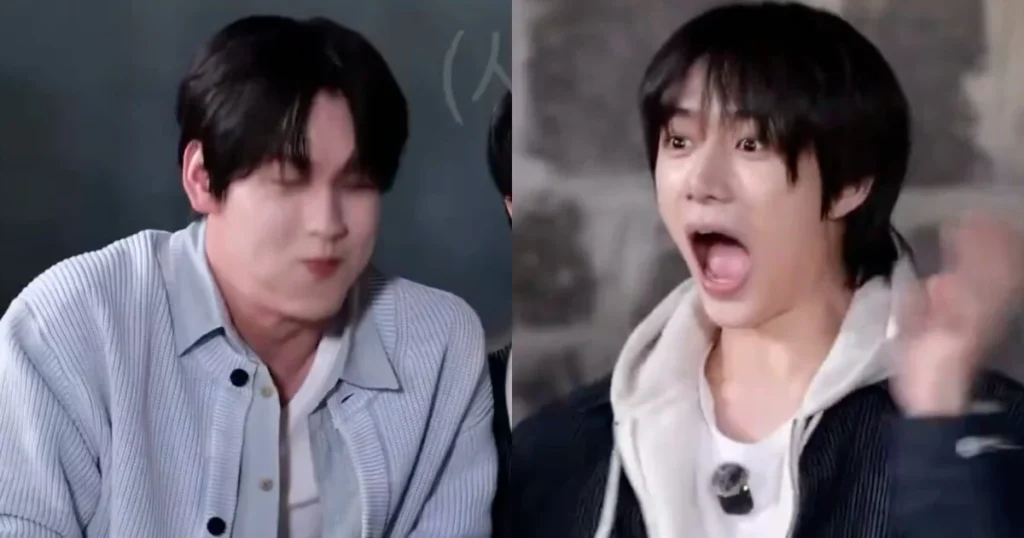
The global K-pop community is currently embroiled in a heated debate following the release of a teaser for the popular YouTube variety show Zzanbro, featuring Tomorrow X Together (TXT) members Soobin and Beomgyu. What was intended to be a promotional appearance for the group has rapidly devolved into a public relations crisis for their management agency, HYBE (Big Hit Music), as fans—collectively known as MOA—have raised serious concerns regarding the safety, dignity, and professional boundaries of the idols involved. The backlash centers on the show’s format, the conduct of host Shin Dong Yup, and specific scenes that fans have labeled as "inappropriate" and "uncomfortable."
The Core of the Controversy: A Clash of Concepts
On April 27, 2026, the YouTube channel for Zzanbro, a talk show known for its "drinking and candid conversation" format, uploaded a teaser featuring TXT’s leader Soobin and member Beomgyu. While drinking shows have become a staple of K-pop promotion in recent years—pioneered by programs like Lee Young-ji’s Nothing Much Prepared and BTS member Suga’s Suchwita—the tone of Zzanbro is markedly different. Hosted by veteran comedian Shin Dong Yup, the show frequently leans into "R-rated" humor, sexual innuendos, and heavy alcohol consumption.
The friction began almost immediately after the teaser’s release. Fans noted that Soobin, in particular, appeared visibly intoxicated, with a flushed face and subdued demeanor. However, the primary catalyst for the outrage was a series of interactions between the host and the idols. One specific segment reportedly showed the host attempting to measure or comment on Soobin’s physical proportions in a manner that viewers deemed invasive. Another clip showed Shin Dong Yup making physical contact with Soobin’s chest while the idol expressed visible embarrassment.
Chronology of the Event and Production Response
The timeline of the controversy suggests a rapid escalation of fan sentiment followed by a cautious, yet incomplete, retreat by the show’s production team.
- April 27, 2026 (Morning): The Zzanbro teaser is released on YouTube and shared across social media platforms. Initial excitement from fans quickly turns to concern as the content of the teaser is analyzed.
- April 27, 2026 (Midday): Keywords related to TXT, Shin Dong Yup, and the show begin trending on X (formerly Twitter) and South Korean community portals like TheQoo and Nate Pann. Fans begin a coordinated "mass-mailing" campaign to Big Hit Music, demanding the episode be pulled.
- April 27, 2026 (Evening): In response to the growing vitriol, the Zzanbro production team quietly edits the teaser. Observers noted that the most controversial segments, including a "shower scene" mention and the physical contact between the host and Soobin, were excised from the video.
- April 28, 2026: Despite the edits, the backlash persists. Fans argue that the existence of such footage suggests the full episode contains even more problematic material. The demand for a total boycott and the cancellation of the broadcast becomes the dominant narrative within the fandom.
Analyzing the Profile of Shin Dong Yup and the "Zzanbro" Format
To understand the intensity of the backlash, one must look at the reputation of the host and the show’s established identity. Shin Dong Yup is one of South Korea’s most successful "National MCs," but his career has been punctuated by a willingness to push the boundaries of conservative Korean broadcasting standards. Most recently, he faced significant public scrutiny for his role in the Netflix series Risqué Business, which explored the adult entertainment industries of various countries.
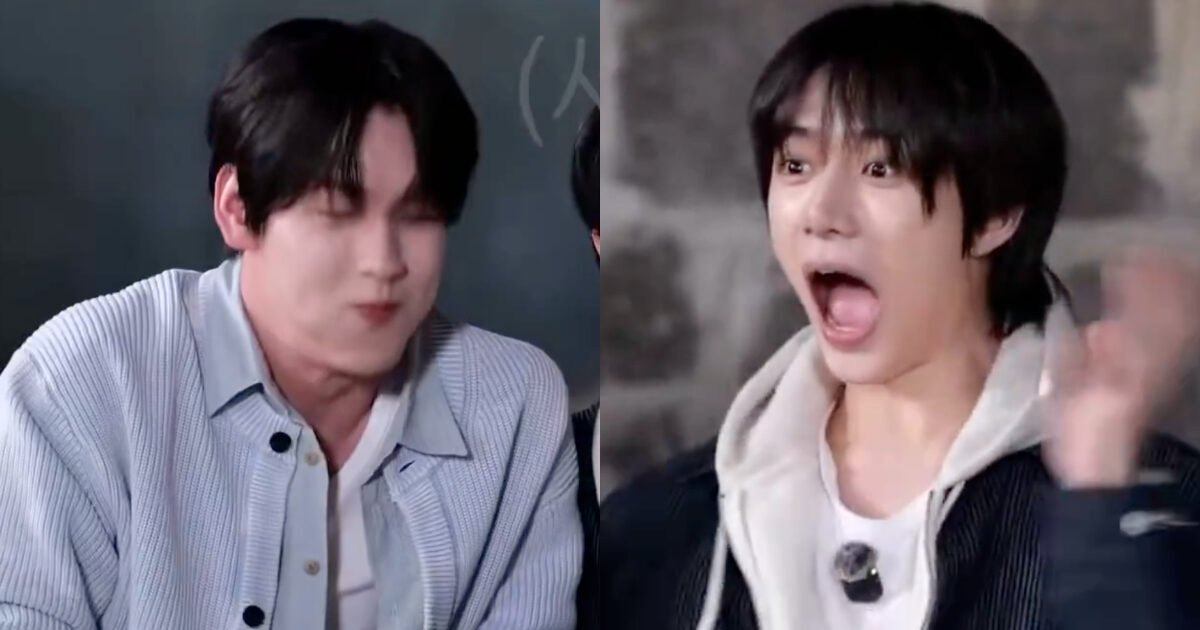
While Shin is respected for his wit, many K-pop fans view his brand of "adult comedy" as incompatible with the carefully curated and often "pure" image of idol groups like TXT. The Zzanbro format, which encourages guests to lower their inhibitions through alcohol, is seen by critics as a high-risk environment for idols. Unlike Suchwita, which focuses on the artistry and history of the guest, Zzanbro is perceived as prioritizing shock value and provocative jokes.
Fan Reactions: Concerns Over Consent and Professionalism
The reaction from MOAs has been multifaceted, ranging from protective concern to accusations of workplace harassment. On social media, fans have shared screenshots of the teaser with detailed critiques. One viral post stated, "Soobin looked so uncomfortable in the trailer… it’s not about being mad at the members, it’s about the host and the production team taking advantage of them while they are in a vulnerable, intoxicated state."
A significant portion of the discourse has focused on the concept of "consensual participation." While the idols technically agreed to appear on the show, fans argue that the power dynamic between a veteran industry senior like Shin Dong Yup and a younger idol makes it difficult for the latter to refuse uncomfortable requests or physical contact. The term "sexual harassment" has been used by some fans to describe the host’s physical contact with Soobin, though others have framed it more broadly as a "violation of professional boundaries."
Furthermore, international fans have expressed disappointment in HYBE’s management strategy. "Why is a multi-billion dollar company like HYBE sending their top-tier artists to a show known for problematic sexual jokes?" asked one fan on X. "They should be protecting their artists’ brand, not throwing them into uncomfortable situations for a few viral clicks."
The Management’s Role: A Shift in Marketing Strategy?
The controversy highlights a growing tension in the K-pop industry regarding the "adultification" of third and fourth-generation idols. As TXT members are now all in their 20s, HYBE has gradually transitioned them toward more mature concepts. However, there is a fine line between "mature" and "exploitative."
Industry analysts suggest that sending idols to drinking shows is a calculated move to humanize them and appeal to a broader, older demographic. By appearing on Zzanbro, TXT is exposed to Shin Dong Yup’s massive mainstream audience. However, the risk is that such appearances can alienate the core fanbase, who often act as the primary drivers of the group’s financial success. The failure of Big Hit Music to vet the specific segments of the show—or their decision to allow the filming of such segments—is being viewed as a significant lapse in artist management.

Supporting Data: The Trend of Drinking Content in K-Media
The Zzanbro incident does not exist in a vacuum. It is part of a wider trend in South Korean digital media where traditional broadcasting regulations do not apply. YouTube variety shows have become the Wild West of Korean entertainment.
- Regulatory Gaps: Unlike television broadcasts regulated by the Korea Communications Standards Commission (KCSC), YouTube content is subject to much looser guidelines. This allows hosts to encourage heavy drinking and use language that would be censored on SBS, MBC, or KBS.
- Engagement Metrics: Drinking shows consistently outperform traditional variety shows in terms of "virality." The "unfiltered" nature of these shows appeals to younger viewers who are tired of the scripted feel of traditional media.
- Idol Participation: Since 2023, over 40 major K-pop groups have appeared on at least one drinking-centric YouTube program. While most of these appearances are harmless, the Zzanbro incident marks the first major instance of a "top-tier" group facing a significant backlash for the content of the program itself.
Implications for the Future of Idol Variety Appearances
The fallout from the TXT and Zzanbro controversy is likely to have a chilling effect on future bookings for "adult-themed" variety shows. Agencies may now implement stricter "no-touch" or "no-sexual-innuendo" clauses in their appearance contracts.
Moreover, this incident serves as a reminder of the power of the modern K-pop fandom. The fact that the production team edited the teaser within hours of the fan outcry demonstrates that "fan power" remains a formidable force in the industry. However, for many MOAs, simple editing is not enough. The demand for the full cancellation of the episode reflects a desire for systemic change in how idols are treated in "mature" entertainment spaces.
As of the latest reports, HYBE and Big Hit Music have not issued an official statement regarding the controversy. The production team of Zzanbro has also remained silent following the stealth-editing of the teaser. The full episode’s release date remains uncertain, as fans continue to monitor the situation closely, promising to boycott any content that they believe compromises the well-being of the TXT members.
In conclusion, the Zzanbro controversy is more than just a dispute over a variety show appearance; it is a reflection of the evolving expectations of K-pop fans regarding artist protection, the ethical boundaries of "unfiltered" digital content, and the responsibility of major entertainment corporations to safeguard their talent from uncomfortable and potentially demeaning professional environments. Whether the episode airs or is permanently shelved, the discourse it has sparked will likely resonate across the industry for months to come.
Related News