Red Velvet’s Irene Clears Up Speculation Regarding Mark On Her Neck
Article Editorial Team

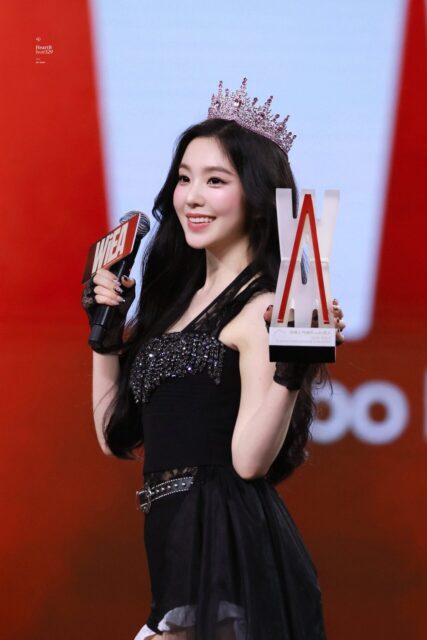
The WIEA Awards: A Milestone for Irene’s Solo Career
The controversy began against the backdrop of a significant professional achievement. Irene, whose real name is Bae Joo-hyun, traveled to Macau to attend the WIEA Awards, an event that gathers influential figures from across the Asian entertainment landscape. During the ceremony, Irene was honored with the "Best Solo Artist" award, a testament to her enduring popularity and the successful expansion of her career beyond her group activities with Red Velvet.
Since her debut in 2014, Irene has been a cornerstone of SM Entertainment’s talent roster. While she has spent a decade as the leader of one of the industry’s most successful girl groups, her recent ventures into solo music and high-profile brand endorsements have solidified her status as a powerhouse individual brand. The recognition in Macau was seen by fans—known collectively as ReVeluvs—as a validation of her hard work and versatility. However, the celebratory atmosphere was short-lived as the focus shifted from her trophy to her physical appearance.
Chronology of the Incident and the Rise of Online Speculation
The timeline of the speculation can be traced back to Irene’s arrival at the airport following the conclusion of the Macau event. As is standard practice in the K-pop industry, "airport fashion" and arrival photos are heavily documented by both professional media outlets and fan-run "masternim" accounts.

On April 28, 2026, photos of Irene began circulating on platforms such as X (formerly Twitter), Weibo, and various South Korean online communities like Pann and TheQoo. In several candid shots, a small, circular purple mark was visible on the side of her neck. Given the high-pressure environment of K-pop fandom and the constant scrutiny regarding idols’ dating lives, a segment of the online population immediately jumped to the conclusion that the mark was a hickey.
The rumors spread with remarkable speed. Within hours, the term "Irene hickey" began to trend in several regions, accompanied by heated debates. On one side, speculative commenters used the mark as "evidence" of a secret relationship, a topic that remains highly sensitive in the Korean entertainment industry. On the other side, dedicated fans defended the idol, suggesting that the mark could be a bruise, a burn from a hair styling tool, or a result of medical treatment. The intensity of the response highlighted the ongoing challenges K-pop stars face regarding their right to privacy and the hyper-fixation on their physical appearance.
The Clarification: Direct Communication with Fans
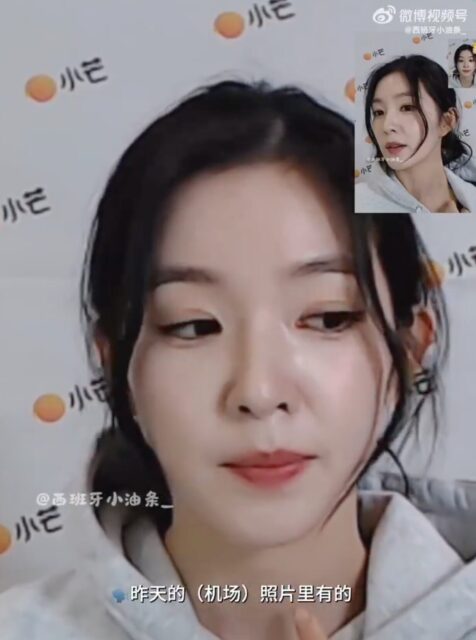
The ambiguity surrounding the mark was finally resolved during a scheduled video call fansign event. These events, which allow fans to speak directly with their favorite idols via a digital interface, have become a primary channel for artists to communicate authentically with their supporters.
During one such call, a concerned fan respectfully broached the subject, asking Irene about the mark that had caused such a stir online. Irene, maintaining her characteristic calm and professional demeanor, did not shy away from the question. She addressed the mark directly, explaining that it was a bruise resulting from a recent acupuncture session.

"Ah, this? I got a bruise after receiving acupuncture. I’m ok!" Irene stated, offering a reassuring smile to the camera. This brief but definitive statement was quickly shared across social media, providing the factual context necessary to silence the speculative narrative. The clarification served as a reminder that what may appear scandalous to an outside observer often has a mundane, or in this case, a health-related explanation.
Medical Context: The Role of Acupuncture in the Lives of Performers
To understand why Irene’s explanation is both plausible and common, it is necessary to look at the physical demands placed on K-pop idols. Traditional Korean Medicine (TKM), which includes acupuncture and cupping therapy (buwang), is frequently utilized by athletes and performers in South Korea to manage chronic pain, muscle tension, and fatigue.
Acupuncture involves the insertion of thin needles into specific points on the body to stimulate blood flow and promote healing. In some cases, particularly when targeting the neck and shoulder area—regions where dancers often carry significant tension—the treatment can cause localized bruising or "ecchymosis." These marks are often circular or oval and can range in color from light red to deep purple, depending on the intensity of the treatment and the individual’s skin sensitivity.
For an artist like Irene, who has spent years performing rigorous choreography and maintaining a demanding schedule, seeking traditional medical treatments for physical maintenance is a standard practice. The neck and shoulders are particularly prone to strain during rehearsals and long-haul flights, making acupuncture a logical choice for pain management. The resulting bruise, while visually striking, is a common side effect of a therapeutic process rather than a sign of personal indiscretion.
Fan Reactions and the Critique of "Hate Culture"
Following Irene’s clarification, the fan response was a mixture of relief and indignation. Many supporters took to social media to criticize the individuals who had fueled the rumors, arguing that the incident was a prime example of the "baseless speculation" that plagues the industry.
Prominent fan accounts emphasized that the speed with which the "hickey" narrative was adopted reflected a lack of respect for Irene’s privacy and a desire for "clickbait" drama. "See, this is why you should never speculate about things like that," one fan wrote in a post that garnered thousands of likes. "You all just sound stupid. Leave her alone."
The incident has also reignited discussions about the "double standard" applied to female idols. Industry analysts have often noted that female stars are subjected to more intense scrutiny regarding their moral conduct and physical presentation than their male counterparts. A simple bruise on a female idol’s neck can lead to a national conversation about her "purity" or "professionalism," a pressure that can have significant effects on an artist’s mental well-being.
Broader Implications: Privacy and the Parasocial Relationship
The controversy surrounding Irene’s neck mark is a symptom of the broader "parasocial" relationship that defines K-pop. Fans often feel a deep, personal connection to idols, which can lead to a sense of entitlement over their personal lives. While this connection drives the industry’s massive commercial success, it also creates an environment where every movement and every blemish is dissected for hidden meaning.
This incident underscores the importance of media literacy and the need for a more measured approach to celebrity news. In the digital age, a single photograph can be used to construct a false narrative that reaches millions before the subject has a chance to respond. For Irene, a veteran who has navigated numerous controversies throughout her career, the ability to clear the air directly with fans was an effective way to regain control of her narrative.
Furthermore, the event highlights the role of SM Entertainment and other agencies in protecting their artists. While Irene chose to address the issue herself, the incident serves as a reminder that the rapid spread of misinformation can have real-world consequences for an idol’s brand value and mental health.
Conclusion: Moving Forward
With the mystery of the purple mark resolved, Irene and her fans are looking forward to her future solo endeavors and Red Velvet’s upcoming projects. The "Best Solo Artist" win in Macau remains the most significant takeaway from her recent activities, marking a successful chapter in her storied career.
As the K-pop industry continues to evolve, the Irene incident serves as a cautionary tale about the dangers of jumping to conclusions based on limited visual information. It reinforces the necessity of viewing idols as human beings who, like anyone else, undergo medical treatments and experience the physical toll of their profession. For now, the "acupuncture bruise" has been relegated to a footnote in Irene’s career, but the conversation it sparked regarding privacy, speculation, and the culture of K-pop fandom is likely to continue.
Related News