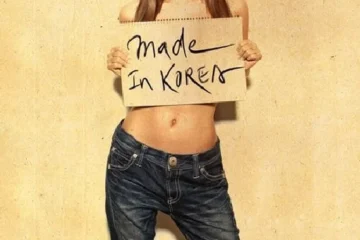
The Evolution of the Bean Paste Girl: Decoding South Korea’s Complex Relationship with Luxury and Gender
Article Editorial Team

The term dwenjang-nyeo, or "bean paste girl," emerged in the early 21st century as a potent symbol of South Korea’s internal struggle with rapid modernization, consumerism, and shifting gender roles. While the phrase gained international notoriety through Western analyses of Psy’s 2012 viral hit "Gangnam Style," its roots are deeply embedded in the socio-economic history of the Korean Peninsula. To the casual observer, a bean paste girl is simply a woman who prioritizes luxury consumption—specifically expensive coffee and designer handbags—over basic necessities. However, a deeper journalistic investigation reveals that the term serves as a lightning rod for debates regarding national identity, the legacy of authoritarian frugality, and a pervasive gender double standard in one of the world’s most technologically advanced nations.
The Culinary Contrast: Bean Paste vs. Branded Coffee
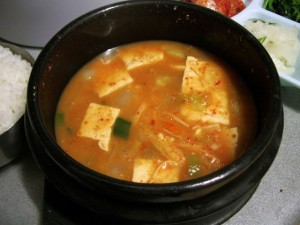
To understand the weight of the label, one must first understand its namesake: dwenjang. Fermented soybean paste is a cornerstone of Korean cuisine, essential for making dwenjang-jjigae (bean paste stew). For decades, this hearty, pungent soup has represented the "soul food" of the nation—cheap, nutritious, and accessible to everyone from rural farmers to urban laborers. In the contemporary market, a bowl of dwenjang-jjigae typically costs between 3,500 and 5,000 Korean Won (KRW), or approximately $3 to $4. It is the ultimate symbol of humility and domesticity.
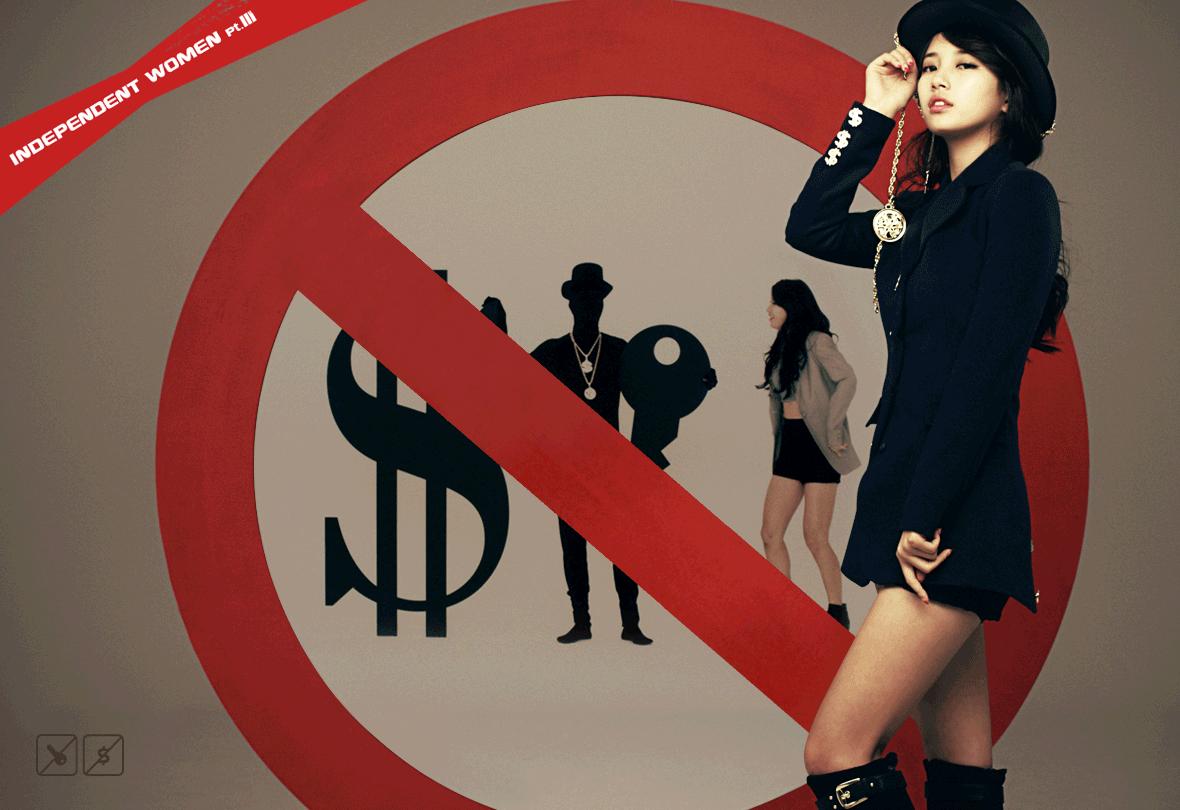
The "bean paste girl" archetype is defined by a perceived economic paradox. Critics use the term to describe a woman who eats a humble 4,000 KRW bowl of stew—or perhaps skips a meal entirely—only to spend 6,500 KRW on a specialized Starbucks Frappuccino. In the mid-2000s, as global coffee chains expanded across Seoul’s trendier districts like Gangnam and Hongdae, the act of carrying a take-out coffee cup became a visual shorthand for a specific type of social climbing. The bean paste girl does not just consume coffee; she consumes the Western, affluent lifestyle associated with the brand.
Historical Chronology: From Scarcity to Excess
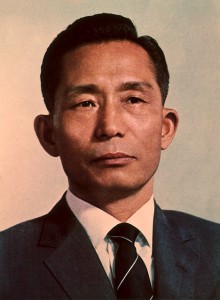
The vitriol directed at the dwenjang-nyeo cannot be understood without examining South Korea’s compressed economic timeline. Following the devastation of the Korean War (1950-1953), South Korea was one of the poorest nations on earth, with a GDP per capita lower than many sub-Saharan African nations. The reconstruction period, particularly under the leadership of President Park Chung-hee starting in 1961, was defined by a state-mandated culture of extreme frugality.
During the 1960s and 70s, the South Korean government launched national campaigns against kwasobi (excessive spending). Frugality was framed as a patriotic duty; every won saved was a won that could be invested in the nation’s heavy industries. Consumption of imported luxury goods was not merely seen as vanity—it was viewed as a betrayal of the collective effort to build the "Miracle on the Han River."
By the 1990s, however, the economic landscape had shifted. South Korea had joined the OECD, and the 1988 Seoul Olympics had signaled the country’s arrival on the global stage. A new generation, born into relative prosperity, began to reject the asceticism of their parents. The liberalization of the economy led to an influx of European luxury brands and American franchises. The tension between the older generation’s "belt-tightening" ethos and the younger generation’s desire for self-expression through consumption created the perfect environment for the dwenjang-nyeo label to take root as a form of social shaming.
Archetypes of the Bean Paste Girl
The definition of a bean paste girl is notoriously fluid, reflecting the various anxieties of the Korean public. Sociological observations suggest four primary characterizations:
- The Frugal Fashionista: This is the most common definition. It describes a woman from a middle- or lower-income background who lives with her parents and saves every penny of her modest salary to purchase a single, authentic Chanel or Louis Vuitton bag. She is mocked for having "luxury tastes on a bean-paste budget."
- The Moocher: A more derogatory version paints the bean paste girl as a social parasite who uses her family’s or boyfriend’s money to fund a lifestyle she cannot afford. In this narrative, she is a woman who "eats bean paste stew at home so she can look like she eats steak abroad."
- The Wannabe Westerner: This definition focuses on cultural identity. Critics argue that these women are obsessed with Western status symbols—English-language books they don’t read, coffee they don’t enjoy, and brands they can’t pronounce—at the expense of traditional Korean values.
- The Economic Independent: A minority of voices, often from feminist circles, have attempted to reclaim the term. They argue that the bean paste girl is a woman who works hard and chooses to spend her own disposable income on things that bring her joy, rather than saving for a dowry or a husband’s future.
Supporting Data: South Korea’s Luxury Obsession
The bean paste girl phenomenon is backed by staggering economic data. According to a report by Morgan Stanley, South Koreans are the world’s biggest spenders on personal luxury goods per capita. In 2022, South Korean spending on luxury items grew 24% year-on-year to $16.8 billion, which amounts to about $325 per person—significantly higher than the $280 spent per capita by Americans or the $55 by Chinese consumers.

This obsession is not limited to women. However, the market for "entry-level" luxury—such as designer wallets, perfumes, and high-end coffee—is heavily marketed toward young women in their 20s and 30s. Analysts suggest that in a society with skyrocketing real estate prices and a stagnant job market, many young Koreans have given up on "big" dreams like homeownership. Instead, they pivot to "small luxuries" (shibal-biyong, or "stress-relief spending") as a way to maintain a sense of status and agency in an increasingly competitive environment.
Official Responses and Social Implications
While there has been no formal government policy regarding the "bean paste girl," the term has frequently appeared in South Korean media, television dramas, and political discourse. It has been used by conservative commentators to lament the "moral decay" of the youth and by satirists to highlight the absurdity of modern life.
The gendered nature of the term has also drawn criticism from international human rights organizations and domestic activists. South Korea consistently ranks near the bottom of the World Economic Forum’s Gender Gap Index, particularly in terms of economic participation and opportunity. Critics point out that there is no equivalent "bean paste boy" (dwenjang-nam), despite young men also spending heavily on luxury cars, electronics, and designer streetwear. The vilification of women’s spending habits is seen by many as a manifestation of a patriarchal society that remains uncomfortable with women’s growing financial independence.
Analysis of Implications: From Satire to Reality
The legacy of the dwenjang-nyeo is visible in the way South Korea consumes culture today. When Psy performed the invisible horse dance in "Gangnam Style," he was mocking the pretension of a district where people care more about the label on their coffee than the quality of their character. However, the satire also highlighted a painful truth: in a hyper-competitive society, "looking the part" is often a prerequisite for social and professional survival.
In recent years, the term dwenjang-nyeo has faded from the popular lexicon, replaced by newer buzzwords like "MZ Generation" (referring to Millennials and Gen Z) and "Flex culture." Yet the underlying tension remains. The bean paste girl was never just about a cup of coffee or a designer bag; she was a symptom of a nation transitioning from a survivalist mindset to a consumerist one.
As South Korea continues to export its culture through K-pop and K-dramas, the "bean paste" narrative serves as a cautionary tale about the costs of rapid growth. It reflects a society that is still trying to reconcile its humble, bean-paste roots with its high-tech, high-fashion future. Whether seen as a victim of consumerist pressure or a pioneer of personal choice, the dwenjang-nyeo remains a central figure in the story of South Korea’s modern identity. For the international audience, she is a reminder that behind the glitz and glamour of Hallyu lies a complex web of history, economics, and social struggle.
Related News