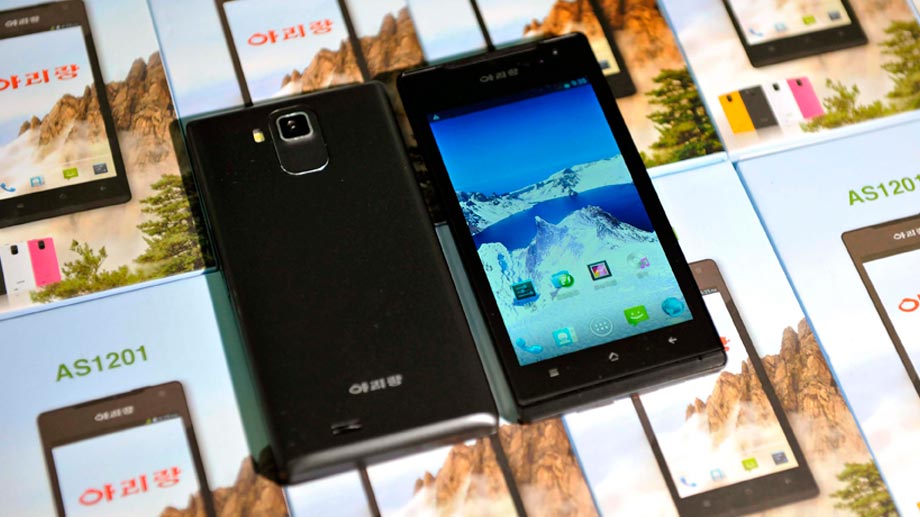
The unveiling of the Arirang smartphone by North Korean state media marks a significant intersection of modern technology and ancient cultural heritage, highlighting the complex socio-political landscape of the Korean Peninsula. While the device itself—the AS1201—represents the Democratic People’s Republic of Korea’s (DPRK) attempt to project an image of domestic technological self-reliance, its name draws from a deep well of shared history that predates the 1945 division of the North and South. The choice of "Arirang," a traditional folk song often described as the unofficial national anthem of all Koreans, serves as a potent symbol of identity that transcends the heavily fortified Demilitarized Zone (DMZ). This development occurs against a backdrop of heightened military tensions, economic competition, and a shared cultural history that continues to influence regional diplomacy and domestic policy in both Pyongyang and Seoul.
The Technological Facade: The Arirang AS1201 Smartphone
In August 2013, North Korean leader Kim Jong-un was pictured visiting the "May 11 Factory," where the Arirang smartphone was reportedly being manufactured. State media outlets, including the Korean Central News Agency (KCNA), lauded the device as a triumph of North Korean ingenuity, emphasizing that the phones were built using "indigenous technology." According to official reports, Kim Jong-un praised the "high pixels" of the camera and the "sensitive" touch screen, noting that the mass production of such devices would instill national pride and provide citizens with modern conveniences.
However, international technology analysts and intelligence agencies have expressed skepticism regarding the "indigenous" nature of the Arirang phone. Detailed examinations of the hardware suggest that the device is likely a rebadged Uniscope U70, a budget Android-based smartphone manufactured in China. Experts believe the components are produced in China and shipped to Pyongyang for final assembly, or perhaps merely for packaging and quality control. Despite these technical realities, the branding of the phone is a calculated move. By naming the device after the most famous Korean folk song, the North Korean government is attempting to tether modern digital life to a sense of traditional nationalism, reinforcing the state’s narrative of self-reliance (Juche).
The Cultural Significance of Arirang
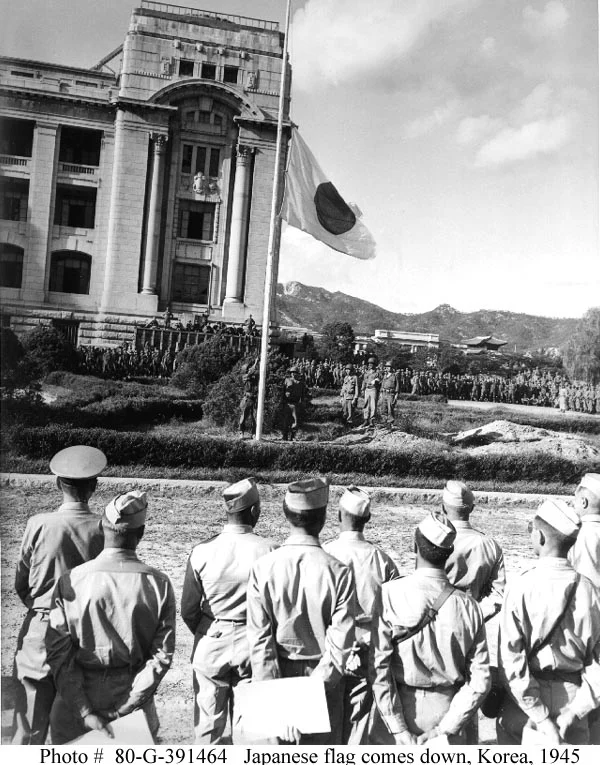
To understand why the name "Arirang" carries such weight, one must examine its role in the Korean psyche. Arirang is not merely a song; it is a cultural phenomenon that has existed for centuries. While estimates of its origin vary—ranging from the Silla Dynasty (57 BCE – 935 CE) to the late Joseon period—it became a definitive symbol of national identity during the Japanese colonial occupation of Korea (1910–1945).
During the occupation, the song evolved into an anthem of resistance and sorrow. Its lyrics, which often speak of a traveler crossing the "Arirang Pass" and leaving behind a loved one, became a metaphor for the Korean people’s struggle under foreign rule. The "Arirang Pass" symbolized the hardships of the era, and the song’s melancholic melody provided a collective outlet for Han—a uniquely Korean emotional concept describing a sense of deep-seated grief, resentment, and longing. In 2012, following extensive efforts by the South Korean government, UNESCO added Arirang to the Representative List of the Intangible Cultural Heritage of Humanity, acknowledging its status as a "national archive" of the Korean experience.
A Tale of Two Anthems: Aegukga vs. Arirang
The Korean Peninsula presents a unique case study in nationalistic music. South Korea’s official national anthem is "Aegukga" (The Song of Love for Country). Composed in the mid-20th century with Western-style orchestral arrangements, Aegukga is formal, martial, and used in official state functions. North Korea has its own "Aegukga," which shares the same name but features different lyrics and a distinct melody, emphasizing the revolutionary spirit and the leadership of the Kim dynasty.
Despite these official anthems, Arirang remains the emotional heart of both nations. It is the song played when North and South Korean athletes march together under a unified flag at international sporting events. It is a melody that requires no translation and no political alignment to understand. By adopting the name for its first smartphone, the North is attempting to monopolize a symbol that is universally recognized as "Korean," thereby asserting its legitimacy as the true guardian of Korean heritage.
Historical Timeline and Context
The trajectory of Korean national identity can be traced through several key periods that inform the current state of affairs:
- 1910–1945: Japanese Colonial Rule. The suppression of Korean language and culture leads to the rise of Arirang as a clandestine symbol of national unity.
- 1945: Liberation and Division. Following the end of World War II, the peninsula is divided at the 38th parallel by the United States and the Soviet Union.
- 1950–1953: The Korean War. A devastating conflict that solidifies the division and results in an armistice but no formal peace treaty, leaving the two sides technically at war.
- 1960s–1990s: Economic Divergence. South Korea undergoes the "Miracle on the Han River," becoming a global leader in electronics and automotive industries (Samsung, LG, Hyundai). North Korea focuses on heavy industry and military development, eventually leading to economic stagnation and the Great Famine of the 1990s.
- 2012: UNESCO Recognition. Arirang is officially recognized as a global cultural heritage, sparking renewed interest in its historical roots.
- 2013: The Arirang Smartphone Launch. North Korea enters the mobile age, albeit with a controlled and restricted version of the technology.
Regional Dynamics and Cultural Appropriation
The use of "Arirang" also highlights the complex relationship between Korea and its neighbors, particularly Japan and China. In the early 1930s, "Arirang" actually became a popular hit in mainland Japan. Japanese audiences, while occupying Korea, were paradoxically drawn to the song’s melancholic aesthetic, which they viewed as a romanticized representation of a simpler, more "primitive" past. This cultural appropriation was a precursor to the modern dynamics of the "Korean Wave" (Hallyu).

Today, the rivalry has shifted toward the economic and diplomatic spheres. South Korean tech giants like Samsung have largely eclipsed Japanese icons like Sony and Panasonic in the global smartphone and television markets. This economic competition is often mirrored by diplomatic friction, such as the ongoing dispute over the Liancourt Rocks (known as Dokdo in Korea and Takeshima in Japan).
In North Korea, the government views South Korean pop culture as a "vicious cancer" that threatens the ideological purity of its citizens. Despite strict prohibitions and the threat of severe punishment, South Korean dramas and K-pop music are smuggled into the North via USB drives and SD cards. The North’s response has been to create its own versions of pop culture, such as the Moranbong Band—an all-female group that performs Western-style pop music with lyrics praising the regime. The Arirang smartphone is part of this broader strategy: providing a "safe" domestic alternative to foreign technology and culture.
Analysis of Implications
The naming of the Arirang smartphone is a masterful piece of soft-power branding for a domestic audience. It suggests that the North Korean state is not only technologically modern but also the rightful heir to Korean tradition. However, the implications of this launch extend beyond simple branding.
First, the smartphone represents a shift in how the North Korean regime manages its internal population. By providing mobile devices, the state gains a new platform for surveillance and propaganda. While the Arirang phone may look like a standard smartphone, it operates on a closed domestic intranet (Kwangmyong) rather than the global internet. The "Arirang" name masks the restrictive nature of the device under a veneer of cultural pride.
Second, the device highlights the continued reliance of North Korea on Chinese manufacturing. Despite the rhetoric of "indigenous technology," the AS1201 is a physical manifestation of the DPRK’s economic dependence on Beijing. As international sanctions continue to squeeze the North’s economy, rebadging Chinese goods remains the only viable way for Pyongyang to provide high-tech consumer products to its elite citizens.
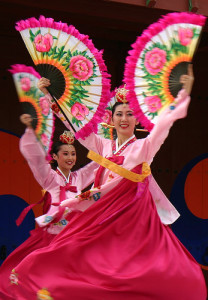
Finally, the shared reverence for "Arirang" across the peninsula suggests that cultural heritage remains the most viable bridge for future reconciliation. While the North and South remain divided by ideology, military posturing, and economic systems, they are unified by a 1,500-year-old melody. The fact that a North Korean smartphone and a South Korean UNESCO bid both center on the same song proves that the underlying fabric of Korean identity remains intact, despite nearly eight decades of separation.
In conclusion, the Arirang smartphone is more than just a piece of hardware; it is a symbol of the enduring power of cultural identity in the face of political and technological change. As the two Koreas continue to navigate their precarious relationship, the legacy of Arirang serves as a reminder of a shared past and a potential, albeit distant, unified future. Whether through a folk song or a smartphone, the "Arirang Pass" continues to be a journey the Korean people travel together, even if they are walking on different sides of the border.