Popular Idol’s “Unrecognizable” Visuals During Live Stream Hit With Extreme Hate
Article Editorial Team
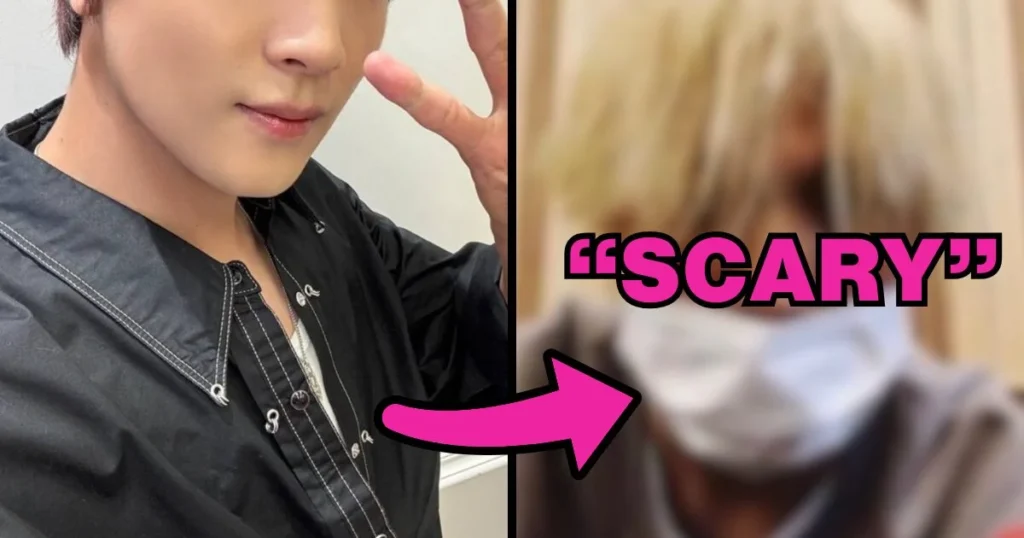
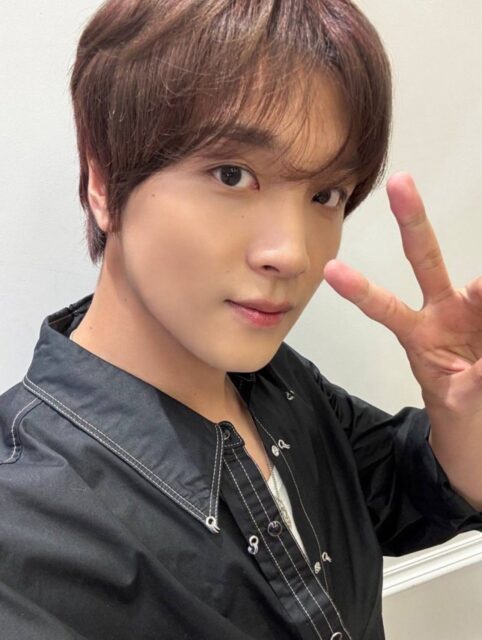
The landscape of the K-pop industry is often defined by its rigorous aesthetic standards and the intense scrutiny placed upon the physical appearance of its performers. Recently, this scrutiny reached a fever pitch as Haechan, a prominent member of the globally recognized boy group NCT, became the target of a concentrated wave of online criticism. The controversy stems from resurfaced screenshots of an old live broadcast, which have circulated rapidly across South Korean online communities and social media platforms, sparking a heated debate regarding the unrealistic expectations placed on idols and the nature of digital harassment in the modern age.
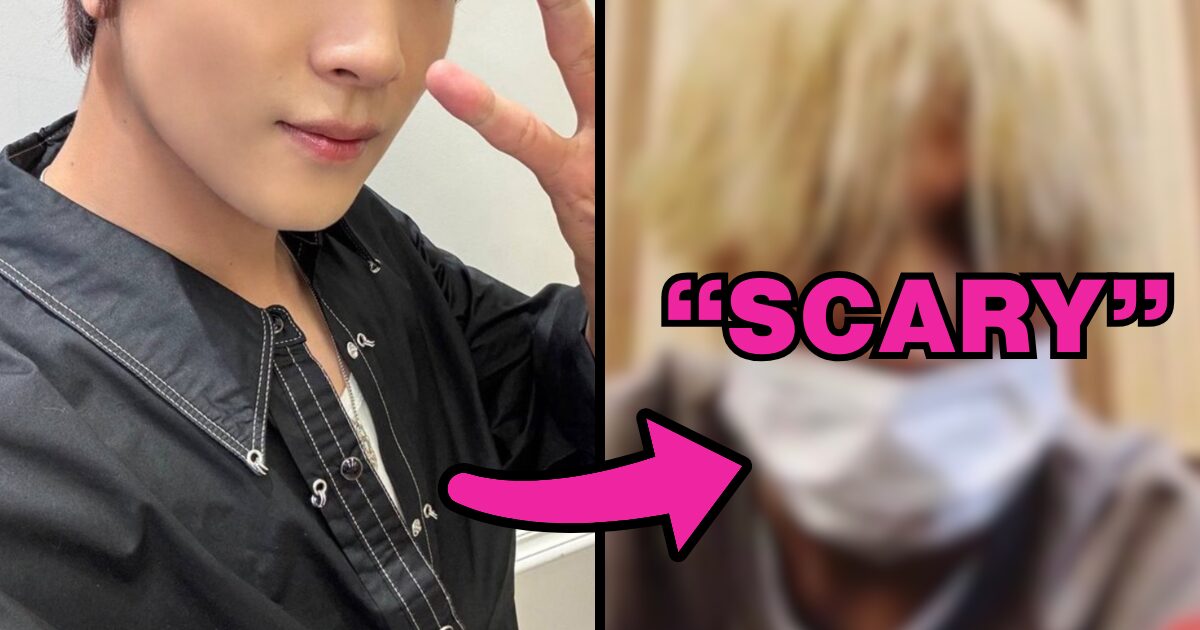
The discourse began on Pann, a popular South Korean internet forum known for its high-traffic celebrity discussions. A post featuring several screenshots of Haechan from a past VLive broadcast—a platform formerly used by idols to communicate in real-time with fans—quickly went viral. The original poster (OP) expressed shock at the singer’s appearance, suggesting that the visuals were so far removed from his official promotional images that they appeared to be generated by artificial intelligence. This sentiment triggered a cascade of "extreme hate" and derogatory comments, with many users claiming they were unable to recognize the artist.
Chronology of the Visual Controversy
The timeline of this incident is rooted in the "resurfacing" phenomenon, where years-old content is brought back into the public eye, often without the original context. The screenshots in question date back to a period when NCT was actively promoting through live-streaming platforms. While the specific date of the original broadcast was not highlighted in the viral post, the low-resolution quality and specific styling indicate it was recorded several years ago.
The controversy gained momentum in early May 2024, when the screenshots were shared on X (formerly Twitter). A K-pop fan on the platform posted an inquiry after noticing a mutual follower had changed their profile picture to one of the screenshots. The user asked, "Does anyone know who this person is?" This sparked a secondary wave of engagement, as both fans and "anti-fans" (individuals who actively dislike a specific celebrity) began debating the identity and appearance of the individual in the photo.
By the time the images reached Pann, the narrative had shifted from simple curiosity to targeted criticism. The post on Pann was titled with provocative language, questioning how an idol could "go live looking like that." The rapid spread of the post—accumulating thousands of views and hundreds of comments within hours—demonstrates the volatile nature of celebrity-focused internet forums in South Korea.

Analyzing the Nature of the Criticism
The criticism directed at Haechan primarily focused on perceived deviations from the "standard" idol look. In the screenshots, the lighting appears harsh and yellow-toned, which can significantly alter the appearance of skin texture and facial features on camera. Furthermore, the angles used in candid live streams are rarely as flattering as the carefully curated angles found in music videos or professional photoshoots.
Netizens involved in the backlash utilized several recurring themes in their comments:
- Unrecognizability: A significant portion of the comments claimed that the individual in the screenshots bore no resemblance to the Haechan seen on stage.
- AI Comparisons: Some users compared the visuals to "bad AI," a term used to describe distorted or uncanny digital renderings.
- Professional Standards: Critics argued that idols have a professional obligation to maintain a certain visual standard at all times, including during "casual" live broadcasts intended for fan interaction.
However, the backlash was met with a strong counter-response from the NCT fandom, known as NCTzens, and specifically "Sunflowers," the sub-fandom dedicated to Haechan. Supporters pointed out that the screenshots were intentionally captured at awkward moments to make the artist look unflattering. They argued that "visual-shaming" is a form of cyberbullying that ignores the human element of the performers.
The Role of Korean Beauty Standards and Colorism
To understand the intensity of the hate directed at Haechan, one must consider the broader context of Korean beauty standards. The K-pop industry emphasizes porcelain-clear skin, specific facial proportions, and a slim physique. Haechan has historically been a subject of discussion regarding these standards because of his naturally tanner skin tone, which he has frequently expressed pride in.
In many instances of online criticism against him, there is an underlying element of colorism. Screenshots from live streams often lack the "whitening" filters typically applied to television broadcasts and official photos. When an idol’s natural skin tone or texture is revealed through low-quality webcams or poor lighting, it often triggers a "shock" response from netizens accustomed to highly edited imagery. This incident serves as a stark reminder of the pressure idols face to conform to a digital ideal that is often physically impossible to maintain in a raw, live setting.
Institutional and Legal Frameworks Against Cyberbullying
As the controversy grew, discussions turned toward the responsibility of entertainment agencies to protect their artists. SM Entertainment, the agency representing NCT, has previously established a dedicated platform called "KWANGYA 119" to report malicious comments, defamation, and privacy violations. While the agency has not issued a specific statement regarding this particular Pann post, their general policy involves monitoring such forums for "excessive hate" that crosses the line into criminal defamation.

Under South Korean law, the Act on Promotion of Information and Communications Network Utilization and Information Protection allows for the prosecution of individuals who spread false information or use insulting language online. While "opinion-based" comments about an idol’s appearance are harder to prosecute, organized "hate campaigns" that affect an artist’s reputation can lead to legal consequences.
Broader Implications for the K-pop Industry
The "Haechan Visual Controversy" is symptomatic of a larger trend within the K-pop industry: the weaponization of "raw" content. As idols move toward more frequent and "authentic" communication through platforms like Weverse or Instagram Live, they expose themselves to a higher risk of being screenshotted and scrutinized.
This incident highlights several critical issues:

- The Dehumanization of Idols: The expectation for idols to look "perfect" even in their personal time or during casual broadcasts contributes to a culture where they are viewed as products rather than people.
- The Impact of Digital Archives: In the digital age, nothing is truly deleted. Content from years ago can be stripped of context and used to fuel modern-day "cancel culture" or harassment campaigns.
- Mental Health Concerns: The psychological toll of reading thousands of comments debating one’s "recognizability" or "attractiveness" is immense. High-profile idols have frequently cited online malice as a primary factor in mental health struggles and hiatuses.
Conclusion and Future Outlook
While the viral Pann post has since seen a surge in "downvotes" and defensive comments from fans, the initial damage to the digital environment remains. Haechan, who has been active in the industry since his mid-teens, has demonstrated significant resilience throughout his career, often using his platform to promote self-confidence and humor.
The industry at large continues to grapple with the balance between fan accessibility and artist protection. As technology evolves, allowing for higher-definition broadcasts and more frequent interactions, the potential for both positive connection and negative scrutiny increases. This event underscores the necessity for a more empathetic approach to celebrity culture, where the distinction between a performer’s professional image and their human reality is respected.
Moving forward, the focus for agencies like SM Entertainment will likely remain on strengthening legal protections and providing mental health support for artists who find themselves at the center of viral hate storms. For the fans and the general public, the incident serves as a cautionary tale about the power of a single screenshot and the lasting impact of digital discourse on the lives of those in the spotlight. The conversation surrounding Haechan’s visuals is not merely about one idol; it is a reflection of the societal standards and digital behaviors that define the modern entertainment era.
Related News