The Dark Side of K-pop Fandom Understanding and Addressing the Sasaeng Phenomenon in the Idol Industry
Article Editorial Team

The South Korean entertainment industry, particularly the global phenomenon known as K-pop, has long been celebrated for its high-energy performances, meticulous production values, and the intense loyalty of its fanbases. However, this level of devotion occasionally crosses the threshold of healthy admiration into the realm of criminal obsession. Within this ecosystem exists a subculture of individuals known as sasaengs—a term derived from the Korean words "sa" (private) and "saeng" (life). These individuals are not mere enthusiasts; they are obsessive followers who frequently engage in stalking, invasion of privacy, and harassment of public figures. While the entertainment industry thrives on the support of fans, the sasaeng phenomenon represents a persistent and dangerous baggage that threatens the physical and mental well-being of artists.
Defining the Sasaeng Phenomenon and Its Evolution
The term "sasaeng" specifically refers to those who actively intrude upon the personal lives of K-pop stars. Unlike "extreme fans" who might attend every concert or purchase every piece of merchandise, sasaengs operate outside the boundaries of legal and ethical behavior. Their activities include, but are not limited to, hiring "sasaeng taxis" (drivers who specialize in high-speed chases to follow idol vehicles), tracking personal phone numbers, hacking private accounts, and breaking into residential properties.
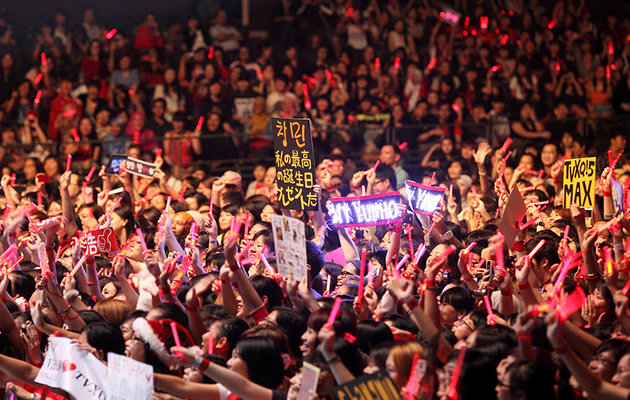
The roots of this behavior can be traced back to the first generation of K-pop in the late 1990s, with groups like H.O.T. and Sechs Kies experiencing early forms of obsessive stalking. However, the rise of the second and third generations—typified by groups such as TVXQ and later EXO—saw a significant escalation in both the frequency and severity of these incidents. As digital technology advanced, the tools available to sasaengs became more sophisticated, allowing for the unauthorized acquisition of flight manifests, credit card information, and real-time location data.
Case Studies in Obsession: TVXQ and EXO
Historically, the members of TVXQ (Tong Vfang Xien Qi) have been cited as the primary targets of the most notorious sasaeng activities. Reports over the years have documented fans breaking into the group’s dormitories to take photos of members while they slept, stealing their personal belongings, and even attempting to plant GPS trackers on their vehicles. The psychological toll of living under constant surveillance led the members to speak out on multiple occasions, describing a life where they felt like "prisoners in their own homes."
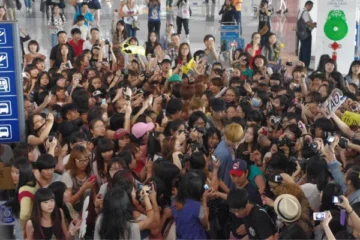
In more recent years, the group EXO became a focal point for similar behaviors during their rise to prominence. Following their debut, the group was plagued by reports of disorderly conduct at international airports, which frequently escalated into dangerous "stampedes" as fans attempted to physically touch the members. Specific incidents cited in South Korean media include unauthorized recordings of member Tao singing in the shower and fans attempting to enter restrooms while members were inside. In a 2013 interview with Sports Seoul, EXO members expressed a profound sense of burden, pleading for fans to respect their personal boundaries and stop the intrusive behavior that had begun to define their daily existence.

The Infrastructure of Intrusions: Methods and Motivations
The sasaeng subculture is supported by a sophisticated, albeit illicit, infrastructure. One of the most prominent elements is the "sasaeng taxi." These are independent drivers who charge exorbitant fees to follow idols 24/7. These chases often occur at high speeds, posing a significant risk of traffic accidents not only for the idols and the stalkers but also for the general public.
Beyond physical stalking, the digital invasion of privacy is a cornerstone of the sasaeng methodology. This includes:
- Phone Hacking: Obtaining private phone numbers to send constant messages or make "silent" calls to verify if an idol is awake.
- Data Theft: Purchasing stolen personal information, such as social security numbers or private KakaoTalk IDs, from black-market brokers.
- Residential Trespassing: Utilizing security codes or finding ways into high-security apartment complexes to leave gifts, steal items (including undergarments), or simply occupy the space.
The motivation behind these actions is often rooted in a desire for recognition or a twisted sense of intimacy. In the mind of a sasaeng, being hated or noticed for a negative reason is preferable to being just another face in a crowd of millions. This parasocial relationship is exacerbated by the way K-pop is marketed, often emphasizing the "availability" and "closeness" of the idols to their fans.

Chronology of Major Sasaeng Incidents and Legislative Shifts
The history of the K-pop industry is punctuated by incidents that have forced a re-evaluation of fan-artist boundaries:
- Late 1990s: First-generation idols experience "fan wars" and home-boundary stalking.
- 2006: TVXQ’s Yunho was hospitalized after consuming a drink laced with superglue given to him by an anti-fan/sasaeng.
- 2012: Leaked audio recordings of JYJ (former TVXQ members) surfaced, showing the members lashing out at sasaengs who had been following them for years, sparking a national debate on the mental health of idols.
- 2013: EXO’s sasaeng issues reached a peak, with fans disrupting a wedding for member Baekhyun’s brother, leading to public condemnation from the group.
- 2021: The South Korean government passed the "Anti-Stalking Punishment Act," which significantly increased the penalties for stalking, moving beyond minor fines to potential prison sentences of up to three to five years.
Industry Responses and Management Strategies
Entertainment agencies, such as SM Entertainment, HYBE, and JYP Entertainment, have begun taking more aggressive stances against sasaengs. Common strategies now include:
- Blacklisting: Fans caught engaging in sasaeng behavior are permanently banned from attending official events, fan signs, and concerts.
- Legal Action: Agencies have increasingly moved toward "zero-tolerance" policies, filing criminal and civil lawsuits against those who leak private information or trespass.
- Increased Security: The presence of professional security teams at airports and public appearances has become a standard necessity to prevent physical altercations.
Furthermore, some idols have adopted a more direct approach to setting boundaries. Shinhwa’s Kim Dong-wan famously stated, "Shinhwa isn’t responsible for your lives," a sentiment echoed by TVXQ’s Changmin, who has frequently encouraged fans to focus on their own personal development and relationships rather than obsessing over celebrities. These statements, while occasionally met with initial backlash from the most devoted fans, are essential in dismantling the illusion of the idol as a 24-hour commodity.

Analysis of the Broader Implications
The sasaeng phenomenon is not merely a "fandom problem"; it is a reflection of broader societal issues regarding privacy, digital ethics, and the psychological impact of celebrity culture. When fans cross the line into stalking, it creates a toxic environment that can lead to severe mental health issues for artists, including anxiety, depression, and post-traumatic stress disorder (PTSD).
From a business perspective, sasaengs represent a significant liability. The costs associated with heightened security and legal battles are substantial. Moreover, the negative press associated with unruly mobs at airports can damage a group’s international reputation and lead to stricter regulations from aviation authorities, as seen in various instances at Incheon International Airport where "airport etiquette" campaigns were launched to curb fan disorder.
The paradox of the K-pop industry lies in its reliance on intense fan engagement. The "idol" system is built on a foundation of emotional investment. However, when the marketing of "intimacy" is not balanced with clear professional boundaries, it can inadvertently embolden those with obsessive tendencies.

Moving Toward a Safer Fandom Culture
To mitigate the impact of sasaengs, a multi-faceted approach is required. Firstly, the continued enforcement of the Anti-Stalking Punishment Act is vital to provide a legal deterrent. Secondly, there must be a cultural shift within fandoms themselves. "Self-policing" within fan communities—where fans call out and report sasaeng behavior rather than consuming the "leaked" content they provide—is one of the most effective ways to de-incentivize stalking.
Finally, the industry must continue to prioritize the humanity of its artists over their marketability. By encouraging idols to set firm boundaries and supporting them when they do, agencies can help foster a healthier relationship between the stars and the public. As K-pop continues to expand its global footprint, addressing the dark side of its fandom is not just a matter of artist safety, but a necessity for the long-term sustainability of the genre. The transition from "sasaeng" obsession to "healthy" fandom is the only path forward that ensures the well-being of the individuals who make the music possible.
Related News