The Evolving Landscape of the South Korean Music Industry: Strategic Hopes and Structural Reforms for the K-pop Sector in 2015
Article Editorial Team

The transition from 2014 to 2015 marks a pivotal moment for the South Korean music industry, commonly referred to as K-pop. While the previous year was defined by unprecedented global expansion and the continued proliferation of the Hallyu wave, it was simultaneously marred by internal fractures, legal disputes, and tragic incidents that exposed the systemic vulnerabilities of the idol production model. As the industry enters a new calendar year, stakeholders—ranging from agency executives and artists to domestic and international fans—are calling for a paradigm shift. This shift prioritizes individual artistic development, structural transparency, and a fundamental reassessment of the parasocial relationship between idols and their fanbases.

The Push for Individual Artistry: The Case for Solo Ventures
One of the most persistent demands within the industry is the diversification of talent through solo debuts, particularly for members of established groups who have remained in the shadow of their collective identities. A primary example of this discourse centers on Gong Min-ji, known professionally as Minzy of the girl group 2NE1. Despite being recognized as one of the premier dancers and vocalists in the industry, Minzy has yet to release a solo project, even as her fellow member CL (Lee Chae-rin) prepares for a high-profile debut in the United States.
Industry analysts suggest that the "group-first" model, while effective for building a brand, often stifles the long-term career viability of individual performers. The success of solo ventures in 2014, such as Taemin of SHINee and Yenny (HA:TFELT) of Wonder Girls, demonstrated that the market is receptive to "musically ambitious" projects that deviate from standard idol pop. These releases allow artists to showcase personal musical colors—often involving self-composition and lyrical contributions—which are essential for transitioning from "idols" to "artists." For 2015, there is a burgeoning expectation for labels like YG Entertainment, SM Entertainment, and JYP Entertainment to allow underutilized talents, such as Wonder Girls’ Yubin and Lim or Infinite’s Sunggyu, to explore solo identities to ensure the longevity of their careers beyond the typical seven-year contract cycle.

Structural Fragility and the Rise of Contractual Disputes
The year 2014 is frequently cited by critics as the "Year of Scandals," largely due to a series of high-profile legal battles that challenged the traditional power dynamics between agencies and artists. The industry witnessed a significant tremor when EXO members Kris (Wu Yifan) and Luhan filed lawsuits against SM Entertainment to terminate their contracts, citing health issues and unfair treatment. This was followed by the collective lawsuit filed by all six members of B.A.P against TS Entertainment, alleging "slave contracts" and an inequitable distribution of profits.
These incidents have provided the public with a rare, albeit somber, insight into the "darker corners" of K-pop. The legal filings suggest that despite the polished aesthetic presented on stage, the backstage reality often involves grueling schedules, lack of financial transparency, and restricted personal freedom. The fallout from these disputes has broader implications for the industry’s reputation abroad. To maintain its global momentum, the K-pop infrastructure must address these grievances. There is a growing consensus among legal experts and public relations heads that agencies must move toward "human-centric" management. This involves finding a balance between the rigorous training required for K-pop’s high-performance standards and the protection of the artists’ mental and physical well-being.

A Chronology of Crisis: The Events That Defined 2014
To understand the aspirations for 2015, one must examine the timeline of events that destabilized the industry in the preceding twelve months:
- May 2014: Kris of EXO-M files for contract termination, sparking concerns about the stability of K-pop’s most successful "Third Generation" group.
- September 2014: The industry is plunged into mourning following a fatal car accident involving the group Ladies’ Code. Members EunB and RiSe tragically lose their lives, bringing the issue of road safety and overworking to the forefront of national conversation.
- September 2014: Jessica Jung is unexpectedly removed from Girls’ Generation, the nation’s premier girl group, highlighting internal management conflicts regarding personal business ventures versus group commitments.
- October 2014: Luhan becomes the second member of EXO to seek legal separation from SM Entertainment.
- November 2014: B.A.P files a lawsuit against TS Entertainment, alleging that they were paid only a fraction of the millions in revenue they generated over three years.
This sequence of events has shattered the "fairy tale" illusion often sold to fans. Consequently, 2015 is viewed as a year for "admitting the problem," which is the first step toward institutional reform.

Occupational Hazards: Road Safety and Labor Conditions
The Ladies’ Code tragedy served as a brutal awakening regarding the physical dangers inherent in the idol lifestyle. K-pop groups often travel between multiple provinces in a single day to attend televised performances, university festivals, and fan signs. This necessitates high-speed travel, often in adverse weather conditions, driven by managers who are frequently as sleep-deprived as the artists they transport.
In the wake of the accident, industry figures such as Bumkey have pleaded for a systemic overhaul of how schedules are managed. For 2015, the hope is for more than just "thoughts and prayers"; there is a demand for concrete safety protocols. This includes mandatory rest periods for drivers, better vehicle maintenance, and a reduction in the "over-scheduling" that forces teams to prioritize punctuality over human life. The safety of idols, managers, and support staff is no longer seen as a private company matter but a public health concern within the entertainment sector.

The Evolution of Variety and Cultural Globalization
While the music side of the industry faced turmoil, the variety show sector saw innovative growth through programs like Abnormal Summit. This debate-style show, featuring a panel of non-Korean men discussing social issues in fluent Korean, represents a significant step in Korea’s cultural globalization. By allowing foreigners to provide honest critiques and comparisons of Korean culture, the show fosters a more nuanced understanding of the world for the domestic audience.
However, the success of such formats also highlights areas for improvement. Critics point to the persistence of cultural stereotypes and the lack of diverse representation within these panels. As K-pop and K-variety continue to penetrate international markets, there is a strategic need for these shows to move beyond "tokenism" and "clownish" portrayals of foreigners. The aspiration for 2015 is for media outlets to produce content that encourages genuine intellectual discourse and presents a more accurate, respectful representation of global cultures, thereby mirroring the international nature of the Hallyu fanbase.

The Fan-Idol Dynamic: Toward Maturity and Mutual Respect
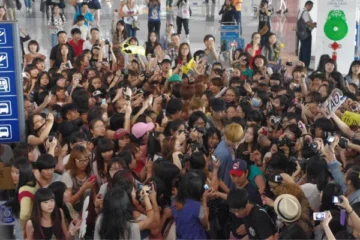
The relationship between K-pop idols and their fans remains one of the most intense and complex dynamics in modern media. In 2014, the industry continued to grapple with the "sasaeng" phenomenon—extreme fans who engage in stalking and invasion of privacy. Furthermore, the backlash against dating revelations, such as the relationship between EXO’s Baekhyun and Girls’ Generation’s Taeyeon, underscored the lingering immaturity within certain segments of the fandom.
Industry observers argue that for K-pop to evolve, the "ownership" mentality of fans must change. There is a call for "fan maturity" in 2015, where idols are respected as human beings entitled to private lives, including the right to date and participate in normal social activities without fear of professional retaliation or personal harassment.

Simultaneously, the responsibility lies with the idols and their agencies to be culturally sensitive. As they visit diverse nations, a cursory knowledge of local histories and social taboos is required to avoid "faux pas" such as cultural appropriation or the use of insensitive imagery. When mistakes occur, the expectation for 2015 is a move away from blind defense by fans ("Oppa didn’t mean it") toward a culture of accountability and education.
Future Implications: A Strategic Outlook for 2015
As the K-pop industry moves into 2015, the primary goal is stabilization. The economic impact of the 2014 scandals was evident in the fluctuating stock prices of major entertainment conglomerates, proving that internal mismanagement has tangible financial consequences. To prevent a decline in investor confidence and fan engagement, agencies are likely to implement more transparent accounting practices and more flexible contract terms.

The "Third Generation" of K-pop is currently in its prime, and the "Fourth Generation" is beginning to emerge. The lessons learned from the "Year of Scandals" will dictate whether these new groups can operate in a more sustainable environment. The industry’s final wish for 2015 is an "overall good year"—one defined by musical innovation, the absence of plagiarism controversies, and a genuine effort to treat artists as individuals rather than mere commodities. If the industry can successfully navigate these structural reforms, 2015 could be remembered not just as a year of recovery, but as the beginning of a more mature and resilient era for Korean entertainment.
Related News