The Abolishment of the Celebrity Recruit System and the Crisis of Fairness in the South Korean Military
Article Editorial Team
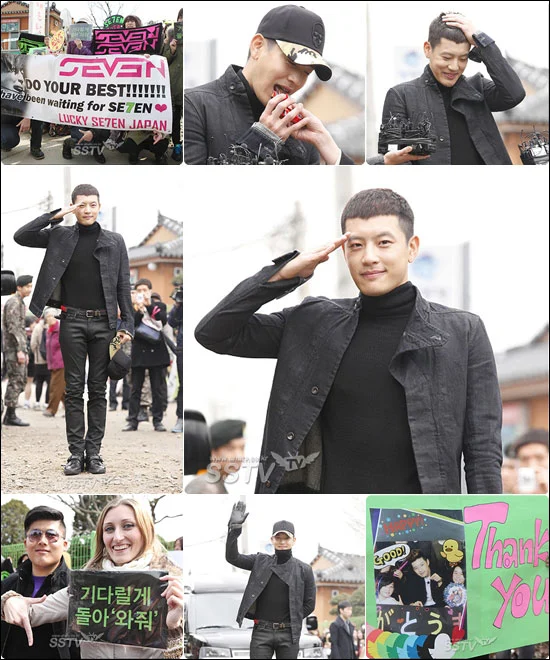
The South Korean Ministry of National Defense faced one of its most significant public relations crises in June 2013, following a series of high-profile disciplinary breaches by celebrity soldiers that ultimately led to the dissolution of the "celebrity recruit" system. For decades, the Republic of Korea (ROK) has maintained a mandatory conscription system, a byproduct of the 1953 armistice that left the Korean Peninsula technically at war. Under the Military Service Act, all able-bodied men are required to serve approximately 21 to 24 months—depending on the branch—as a duty to the state. However, the revelation that famous entertainers serving in the Defense Media Agency were receiving preferential treatment and engaging in illicit activities triggered a national debate regarding the fundamental principles of equity and sacrifice in South Korean society.
The Catalyst: The June 2013 Investigative Report
The scandal reached a breaking point on June 25, 2013, when the SBS current affairs program On Site 21 aired an exposé titled "The Dark Side of Celebrity Recruits." The investigative segment followed several celebrity soldiers after they participated in a military-sponsored concert in Chuncheon, Gangwon Province. The footage captured Choi Dong-wook, known professionally as the R&B singer Se7en, and Lee Sang-chul, known as Sangchu of the hip-hop duo Mighty Mouth, engaging in a series of severe protocol violations.
According to the report, the soldiers were seen leaving their motel in civilian clothing, carrying mobile phones—which were strictly prohibited for active-duty personnel at the time—and consuming alcohol at a local restaurant. Most controversially, the footage showed the two soldiers entering a massage parlor known for providing adult services at 4:00 a.m. When confronted by SBS reporters upon exiting the establishment, the soldiers engaged in a physical altercation with the journalists, attempting to seize their microphones and cameras.
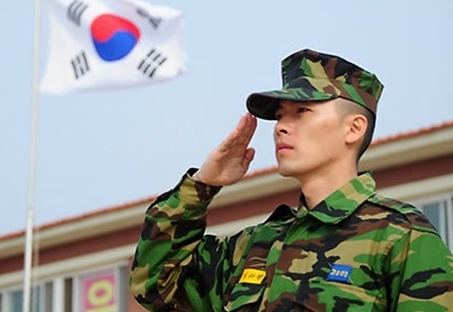
The Ministry of National Defense initially attempted to mitigate the fallout by claiming the soldiers visited the parlor for "medical purposes" or "knee therapy." This explanation was met with immediate and widespread public derision, as it contradicted standard military medical protocols and the timing of the visit. The incident served as the "final straw" for a public that had grown increasingly weary of the perceived "prince-like" treatment afforded to Hallyu stars during their service.
Historical Context: The Defense Media Agency
The celebrity recruit system, officially known as the "Public Relations Support Personnel" unit, was established in 1997 under the Defense Media Agency. Its primary objective was to utilize the talents of enlisted actors, singers, and entertainers to boost the morale of the troops and promote the military’s image to the general public. These recruits hosted radio programs, performed at military bases, and appeared in recruitment videos.
While the unit was intended to serve a strategic purpose, it long suffered from a reputation of being a "soft" alternative to standard military service. While ordinary soldiers were stationed at the Demilitarized Zone (DMZ) or in remote mountainous regions enduring grueling physical training and limited contact with the outside world, celebrity recruits were often stationed in Seoul. They were frequently granted more furloughs, allowed to wear civilian clothes more often, and given access to amenities that were unthinkable for the average conscript.
Chronology of the 2013 Reform Movement
The downfall of the unit was not the result of a single incident but a culmination of several high-profile lapses in discipline throughout 2013:

- January 2013: World-renowned star Rain (Jung Ji-hoon) came under fire for "excessive off-base privileges" after he was photographed meeting his girlfriend, actress Kim Tae-hee, while on official military duty. He was sentenced to seven days of confinement but the leniency of the punishment sparked a national petition.
- June 25, 2013: The SBS On Site 21 broadcast aired, providing visual evidence of Se7en and Sangchu’s misconduct.
- July 1, 2013: The Ministry of National Defense launched a special audit into the Defense Media Agency, investigating 15 celebrity recruits.
- July 18, 2013: The Ministry officially announced the permanent abolishment of the celebrity recruit system.
- August 2013: The remaining celebrity recruits were reassigned to standard field units, often in frontline positions, to serve out the remainder of their terms. Se7en and Sangchu were sentenced to 10 days in military prison (brig) for their actions.
Data and Evidence of Preferential Treatment
The Ministry’s internal audit following the SBS report confirmed what many had long suspected. The investigation revealed that celebrity recruits were granted an average of 75 days of leave during their service, compared to the 43 days typically granted to ordinary soldiers. Some high-profile stars were found to have taken over 100 days of leave, nearly double the standard allowance.
Furthermore, the audit of the Defense Media Agency’s barracks uncovered unauthorized items, including personal mobile phones, MP3 players, and even gaming consoles. The report also highlighted a lack of supervision, noting that officers in charge of the unit often deferred to the celebrities’ fame, allowing them to bypass curfews and dress codes during promotional tours.
Public Sentiment and the Concept of Relative Deprivation
In South Korea, military service is viewed as a social equalizer. Because it is a universal requirement, it is one of the few institutions where the sons of the wealthy and powerful are expected to stand on equal footing with the sons of the working class. When celebrities—who already enjoy immense wealth and social status—are seen as evading the hardships of service, it triggers a deep sense of "relative deprivation" among the populace.
The backlash against Se7en and Sangchu was particularly severe because their actions occurred at a time of heightened tension with North Korea. While ordinary 20-year-olds were patrolling borders in sub-zero temperatures, the sight of celebrities visiting massage parlors at dawn struck a chord of national indignation. Online forums were flooded with demands for the "restart" of their service, and several major brands terminated endorsement deals with the stars involved.

Official Responses and Policy Shifts
The Ministry of National Defense’s decision to abolish the unit was a drastic but necessary move to restore faith in the military hierarchy. In an official statement released on July 18, 2013, the Ministry admitted, "The PR agent system was intended to promote the military, but due to the unpleasant issues that have occurred, the image of the military has only been tarnished. Most importantly, it has hurt the morale of the hard-working soldiers who are faithfully fulfilling their duties."
The reform included several key measures:
- Immediate Dissolution: The Public Relations Support Personnel unit was disbanded effective immediately.
- Reassignment: Of the 15 recruits under investigation, those with remaining service time were transferred to various infantry divisions.
- Disciplinary Action: Seven recruits were sent to the military brig for varying durations, ranging from 10 to 15 days, for violating service regulations.
- New Management Standards: The Ministry vowed that future promotional activities would be handled by civilian employees or temporary assignments of standard soldiers, with much stricter oversight.
Broader Impact and Implications for the Hallyu Wave
The 2013 scandal had a lasting impact on how the South Korean entertainment industry approaches military service. Prior to this event, many stars viewed the PR unit as a way to maintain their public profile while serving. Following its abolishment, the trend shifted toward "quiet enlistment." High-profile actors and idols now frequently opt for active-duty service in rigorous branches, such as the Marine Corps or Special Forces, to bolster their public image and prove their commitment to the nation.
The scandal also intensified the debate over military exemptions. In South Korea, Olympic medalists and certain classical musicians are eligible for exemptions, but pop stars—despite their massive contribution to the national economy via the "Korean Wave"—are not. The misconduct of the celebrity recruits in 2013 effectively silenced those advocating for K-pop exemptions for nearly a decade, as the public remained cynical about the ability of entertainers to maintain discipline within the military structure.

Analysis of the Reform’s Success
The dissolution of the celebrity recruit system was a watershed moment in South Korean social policy. It demonstrated that even in a culture that idolizes celebrity, the principle of national defense remains a sacred, egalitarian duty. By reassigning these stars to frontline units, the Ministry sent a clear message: fame does not grant immunity from the rigors of the law.
While the Defense Media Agency no longer exists in its previous form, the military continues to use celebrities for promotional purposes, albeit under much more transparent conditions. Today, celebrities who enlist are treated as standard soldiers first; their participation in military musicals or promotional content is treated as a temporary duty assignment rather than a permanent, privileged status.
In conclusion, the 2013 celebrity recruit scandal served as a painful but necessary correction for the ROK Armed Forces. It forced a re-evaluation of what "service" means in a modern democracy and reaffirmed that in the eyes of the draft, every citizen must be treated with the same expectations and the same level of accountability. The legacy of the SBS investigation remains a cautionary tale for public figures and a reminder to the state that the legitimacy of conscription rests entirely on its fairness.
Related News