The Cultural and Contractual Paradox Behind the Kris Wu and SM Entertainment Legal Conflict
Article Editorial Team
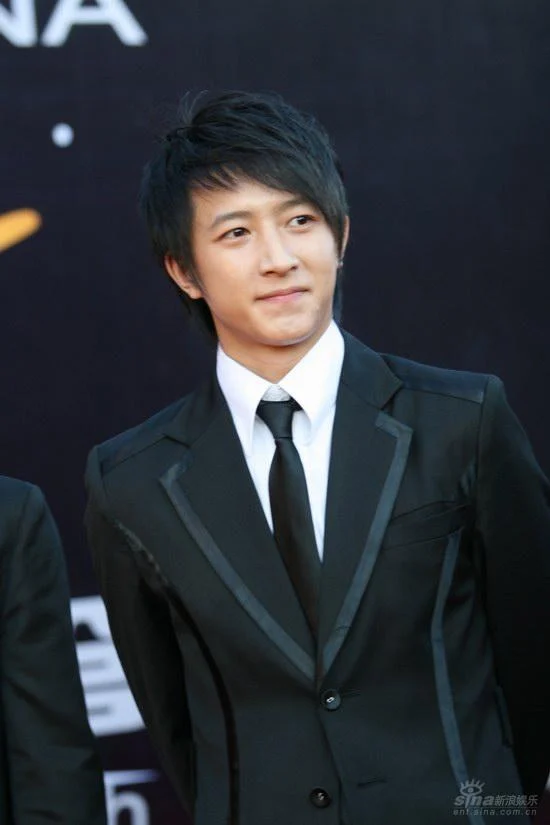
The relationship between SM Entertainment and its extensive roster of artists has historically been characterized by a volatile mixture of record-breaking success and high-profile legal friction. In the landscape of the South Korean music industry, the term "slave contract" has frequently surfaced in tandem with the agency’s name, signaling a recurring systemic tension regarding artist autonomy, financial transparency, and physical well-being. While these conflicts are often rooted in tangible grievances such as unfair profit distribution and grueling schedules, they are equally shaped by a complex web of cultural expectations and emotional ties. The May 2014 announcement that Kris Wu (Wu Yifan), the leader of the Mandopop-leaning sub-unit EXO-M, had filed a lawsuit to terminate his contract with SM Entertainment serves as a landmark case study in this intersection of legal disputes and the Korean sociological concepts of "jeong" and "haan."
The Catalyst: The 2014 Legal Filing
On May 15, 2014, Kris Wu filed a lawsuit against SM Entertainment at the Seoul Central District Court, seeking the nullification of his exclusive contract. The timing of the filing sent shockwaves through the global music industry, as it occurred just one week after the release of EXO’s highly successful EP Overdose and a mere week before the group’s first solo concert tour, "EXO FROM. EXOPLANET #1 – THE LOST PLANET." The legal representative for Wu, Cho Bum-suk—the same attorney who represented Hangeng in his successful 2009 suit against the same agency—cited several core issues: the violation of basic human rights, the disregard for the artist’s health, and an unfair distribution of earnings.
Reports indicated that Wu felt treated as a "product" rather than a person or a creative partner. Allegations surfaced regarding the agency’s unilateral decision-making processes, which reportedly ignored the artist’s career aspirations and physical condition. Rumors regarding Wu’s health, specifically potential heart issues (myocarditis), circulated in the media, suggesting that the idol had been forced to perform despite medical concerns. SM Entertainment responded with a brief statement expressing "shock" and promising to do their best to ensure EXO’s scheduled activities remained unaffected.
Chronology of a Fracture
The timeline of the conflict reveals a rapid escalation of public and private tensions:
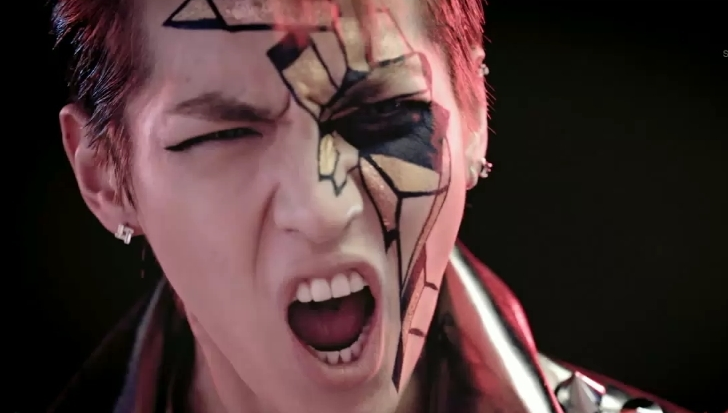
- May 7, 2014: EXO releases the Overdose mini-album, achieving massive commercial success and perfect "all-kills" on music charts.
- May 15, 2014: Kris Wu officially files the lawsuit for contract termination. He remains in China, absent from group rehearsals in Seoul.
- May 16–20, 2014: A digital fallout ensues as several members of EXO unfollow Wu on Instagram. Public statements from members begin to emerge, characterized by disappointment and confusion.
- May 21, 2014: SM Entertainment announces that the upcoming solo concert will proceed with only 11 members. Merchandise featuring Wu is reportedly pulled from venues, and refund options are offered to fans.
- May 23, 2014: The "Lost Planet" concert begins in Seoul. During the press conference, members describe the period as a time of immense emotional pain and "embarrassment" regarding the public controversy.
The Sociological Framework: Jeong and Haan
To understand why the reaction to Wu’s departure was so visceral among fans and fellow members, one must look toward the Korean concept of jeong. Often translated as "affection," "attachment," or "bond," jeong is a fundamental element of the Korean social fabric. It represents a collective emotional tie that transcends individual desire, emphasizing loyalty, shared history, and mutual responsibility. In the context of a K-pop group, jeong is the "glue" that transforms a business arrangement into a perceived brotherhood.
When an artist like Kris Wu chooses to leave a group—particularly during a high-stakes period like a debut concert tour—the act is not viewed merely as a career move or a legal necessity. Within the framework of jeong, it is interpreted as a betrayal of a sacred collective bond. This perceived betrayal leads to the emergence of haan. Haan is a uniquely Korean psychological state described as a mixture of deep sorrow, resentment, and a sense of injustice. It is the agonizing pain that arises when a jeong-based relationship is severed.
Research from scholars, including those at the UCLA School of Medicine, suggests that the more profound the initial bond (jeong), the more intense the resulting trauma (haan) when that bond is broken. For the remaining members of EXO and their fanbase, the "We Are One" slogan was not just marketing; it was a social contract. Wu’s departure was seen as a unilateral rejection of that collective identity, triggering a widespread experience of haan that manifested as public anger and resentment.
Member Reactions and Public Discourse
The reactions from EXO’s remaining members provided a rare glimpse into the internal pressures of the idol industry. Tao, a fellow Chinese member of EXO-M, posted a message on Weibo that resonated with themes of betrayal. He remarked that "many people want to see them together and stay forever," but ultimately lamented that "someone has to leave us." His comments suggested that the remaining members felt blindsided, viewing Wu’s exit as an abandonment of their shared hard work.
Xiumin and Suho also voiced their distress, with Suho stating during a music show appearance that Wu’s actions were "irresponsible" and showed a lack of consideration for the group. These statements, while perhaps influenced by the agency’s PR strategy, reflected a genuine sense of destabilization. The group’s decision to adopt a "business as usual" attitude—sharing rehearsal photos and birthday celebrations without Wu—was a public-facing attempt to mend the collective jeong of the remaining eleven members and their fans.

Senior artists within SM Entertainment also weighed in. Heechul of Super Junior, who had witnessed the departure of his own bandmate Hangeng years prior, noted on the talk show Ssulzun that the situations were fundamentally different. Heechul argued that while Hangeng faced significant legal and broadcast restrictions as a foreign artist in 2009, the industry had evolved by 2014. He characterized Wu’s departure as a breach of trust toward the fans who had waited for the group’s first solo concert.
Historical Precedents and Comparative Analysis
The Kris Wu lawsuit was not an isolated incident but rather the latest chapter in a long history of legal battles involving SM Entertainment. In 2009, three members of TVXQ (Jaejoong, Yoochun, and Junsu) filed a lawsuit against the agency, eventually forming the group JYJ. Their case brought the "slave contract" issue to the forefront of national discourse, leading to the Fair Trade Commission issuing "standardized contract" guidelines to limit the length of exclusive deals to seven years.
Similarly, Hangeng’s departure from Super Junior in 2009 served as a precursor to Wu’s exit. Hangeng, the first Chinese idol to debut in South Korea, faced immense hurdles, including visa issues that initially restricted him to performing on only a few television stations. While Hangeng’s departure was eventually met with a degree of understanding from his former members due to these hardships, the reaction to Wu was markedly more hostile. This shift suggests that as the "K-pop system" became more refined and accommodating to foreign idols, the tolerance for individual departures decreased, and the expectation of loyalty to the brand increased.
Industry Implications and the "China Effect"
The legal battle between Kris Wu and SM Entertainment signaled a shift in the power dynamics between South Korean entertainment agencies and their Chinese talent. Wu’s departure was followed shortly thereafter by fellow EXO-M members Luhan and Tao, both of whom cited health issues and unfair treatment. This "exodus" highlighted a growing trend: Chinese idols, having gained fame through the rigorous K-pop training system, found that they could achieve greater autonomy and significantly higher earnings by returning to the burgeoning entertainment market in China.
For SM Entertainment, these lawsuits necessitated a change in strategy. The agency began to explore more flexible management styles, such as allowing Chinese members to establish their own personal "studios" for individual activities in China while remaining part of the group. This was a direct attempt to mitigate the feelings of being a "product" that Wu had cited in his lawsuit.
Conclusion: A Conflict of Stakeholders
The litigation between Kris Wu and SM Entertainment was far more than a simple contract dispute. It was a collision between an individual’s pursuit of rights and a culture’s commitment to collectivism. While Wu sought to reclaim his health and career autonomy through the legal system, he inadvertently triggered a cultural trauma rooted in the breaking of jeong.
In the aftermath, Wu transitioned into a highly successful, albeit controversial, solo career in China, while EXO restructured and continued to dominate the K-pop industry as a top-tier act. The case remains a pivotal moment in Hallyu history, serving as a reminder that in the world of K-pop, the "contract" is written in both legal ink and emotional bonds. The resolution of such conflicts requires more than just a courtroom verdict; it requires a reconciliation of the intense emotional investments made by the artists, the agencies, and the global audience that supports them. As the industry continues to globalize, the tension between individual agency and collective loyalty remains one of its most enduring challenges.
Related News