Analysis of Girl’s Day’s Female President and the Socio-Political Landscape of South Korea
Article Editorial Team

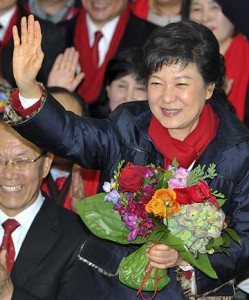
The transition of leadership in South Korea between 2012 and 2013 marked a significant milestone in the nation’s democratic history, characterized by the election of Park Geun-hye as the country’s first female head of state. Representing the conservative New Frontier Party (Saenuri Party), Park secured a narrow victory in the December 2012 presidential election, assuming office in February 2013. This political shift occurred within a complex societal framework, as Park is the daughter of the late military leader Park Chung-hee, a figure whose legacy remains a subject of intense national debate. While her presidency was heralded by some as a breakthrough for gender representation in the Blue House (Cheong Wa Dae), it also invited scrutiny regarding the substantive progress of women’s rights in a nation grappling with deeply entrenched patriarchal structures.
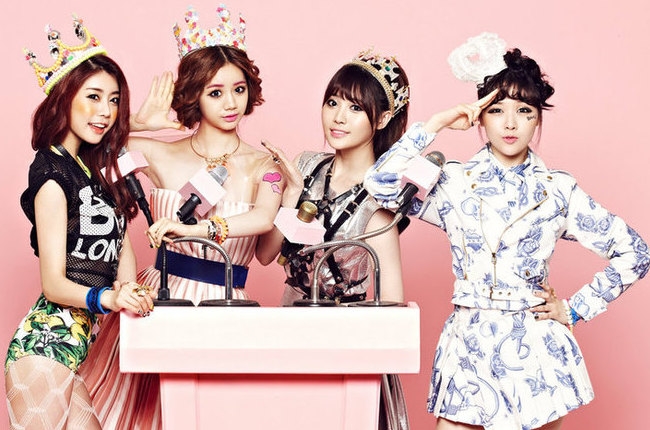
In the wake of this political event, the South Korean entertainment industry attempted to capitalize on the cultural zeitgeist. In June 2013, the K-pop quartet Girl’s Day released their repackaged album titled "Female President." The title track was marketed as an anthem of female empowerment, drawing a direct parallel between the nation’s political leadership and the individual agency of women in social and romantic contexts. However, the disconnect between the song’s marketing and the lived reality of South Korean women provides a lens through which to analyze the limitations of commercialized feminism in the K-pop industry.
The Socio-Political Climate of the 2012-2013 Transition
Park Geun-hye’s ascent to the presidency was viewed as an anomaly in the context of South Korea’s historical performance on gender equality metrics. According to data from the Organisation for Economic Co-operation and Development (OECD), South Korea has consistently ranked at the bottom of the "Glass Ceiling Index" among developed nations. In 2013, the gender wage gap in South Korea stood at approximately 36.6%, the highest among OECD member states. Furthermore, women’s participation in the labor force remained significantly lower than that of their male counterparts, particularly for those in the 30-to-40 age demographic, often due to the "career break" phenomenon associated with marriage and childbirth.
The political opposition, led by the Democratic United Party (Minju Party), frequently argued that Park’s victory did not represent a victory for women’s rights, but rather the endurance of a political dynasty. Critics contended that her policies during her tenure in the National Assembly did not prioritize the structural reforms necessary to close the wage gap or provide adequate support for working mothers. Consequently, the "watershed" moment of electing a female president was met with skepticism by feminist advocates who sought legislative changes rather than symbolic representation.
Chronology of the Release and Industry Trends
The release of "Female President" followed a specific timeline of events that mirrored the first hundred days of the Park administration.
- December 19, 2012: Park Geun-hye is elected the 11th President of South Korea.
- February 25, 2013: Official inauguration of President Park at the National Assembly.
- March 2013: Girl’s Day experiences a commercial breakthrough with their single "Expectation," pivoting from a "cute" concept to a "sexy" image.
- June 24, 2013: Girl’s Day releases "Female President" amid high media anticipation.
The K-pop industry in 2013 was characterized by an aggressive shift toward "sexy" concepts among girl groups. Groups such as AOA, Dal Shabet, and Rainbow were also navigating this trend, which prioritized provocative choreography and revealing costumes. Girl’s Day, managed by Dream Tea Entertainment, utilized the political atmosphere to brand their transition into this more mature image as a form of "empowerment," a strategy that garnered significant media attention but also sparked controversy regarding the objectification of the performers.
Content Analysis: Pop Feminism vs. Structural Reality
The lyrical content of "Female President" centers on a singular premise: because the nation has a female president, women should feel emboldened to take the initiative in romantic relationships, specifically by being the first to initiate a kiss or express affection. The chorus emphasizes that there is "no law" preventing a woman from making the first move, framing this as a revolutionary act of agency.
However, a critical analysis of the lyrics and accompanying music video reveals a stark contrast between this narrative and the broader issues facing South Korean women. While the song celebrates the freedom to initiate a kiss, it remains silent on systemic issues such as:
- The Legality of Reproductive Rights: In 2013, abortion remained largely illegal in South Korea under the Criminal Act of 1953, with very few exceptions. This restriction on bodily autonomy stood in sharp contrast to the "empowerment" narrative promoted by the song.
- Institutionalized Sexism in Hiring: Research from the period indicated that female college graduates faced significantly higher barriers to entry in the corporate sector, with many firms openly preferring male candidates for long-term career tracks.
- The "Aegyo" Culture: Despite the "Female President" branding, the music video for the track incorporates traditional tropes of submissiveness. Scenes depicting members acting "dizzy" or "nervous" in the presence of a romantic interest, or being fed by a male figure (portrayed in the video by member Hyeri in masculine attire), undermine the purported message of independence.
The visual presentation of the music video further complicates the message. The members are styled in high-fashion, provocative outfits, including a controversial "nude-tone" bodysuit. Critics argued that the visual language of the video was designed to cater to the "male gaze"—the perspective of a heterosexual male audience—rather than to inspire female viewers. This suggests that the "female president" concept was a marketing veneer used to sell a conventional "sexy" concept under the guise of social relevance.
Industry Reactions and Public Reception
The reception of "Female President" was polarized. On one hand, the song was a commercial success, reaching the top five on the Gaon Digital Chart and earning the group their first music show win on SBS’s Inkigayo. The timing of the release, combined with the media focus on member Hyeri’s high-profile relationship with veteran idol Tony Ahn, ensured that Girl’s Day remained at the forefront of entertainment news.
On the other hand, cultural commentators noted the superficiality of the message. In a 2013 editorial, industry analysts pointed out that the K-pop industry often adopts the language of feminism to sell records without engaging with the actual political or social movements. The use of a "female president" as a justification for romantic assertiveness was viewed by some as a trivialization of a significant political milestone.
Furthermore, the music video’s attempt at "edginess"—specifically a scene suggesting a kiss between members Minah and Hyeri—was met with mixed reactions. While some viewed it as a daring move in a conservative society, others saw it as "queerbaiting," a marketing tactic used to generate buzz through the suggestion of same-sex attraction without providing genuine representation or support for the LGBTQ+ community.
Broader Impact and Implications
The "Female President" era of Girl’s Day serves as a case study for the intersection of pop culture and political symbolism in South Korea. It highlights the way in which the entertainment industry mirrors societal changes, often in a way that prioritizes commercial viability over substantive discourse.
Statistically, the presidency of Park Geun-hye did not lead to a significant improvement in the gender equality indices mentioned earlier. By the end of 2013, South Korea’s gender wage gap remained unchanged, and the country continued to rank 111th out of 136 countries in the World Economic Forum’s Global Gender Gap Report. The presence of a woman in the Blue House did not automatically translate to the dismantling of the patriarchal structures that the "Female President" song ostensibly challenged.
In conclusion, while the election of Park Geun-hye was a historic event that broke a significant glass ceiling in South Korean politics, its cultural reflection in the form of Girl’s Day’s "Female President" illustrated the limitations of symbolic empowerment. The song’s focus on romantic initiative as the primary metric of female agency ignored the more pressing legal, economic, and social barriers facing women in the country. As a result, the track remains a footnote in K-pop history—a moment where the industry attempted to engage with a "watershed" political event, only to produce a product that reinforced the very status quo it claimed to transcend.
Related News