The Chaebol Paradox Examining the Economic Giants of South Korea from Screen to Boardroom
Article Editorial Team

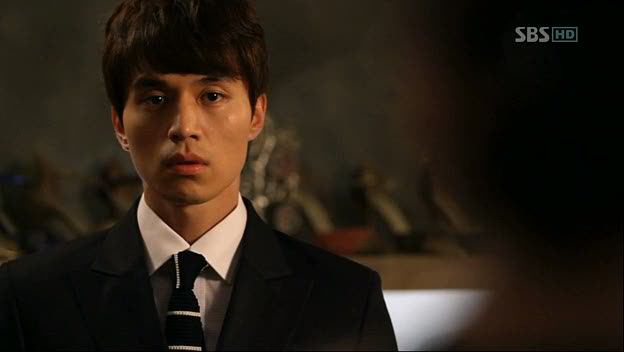
The term chaebol has become a staple of global pop culture, synonymous with the tailored suits, glittering skyscrapers, and dramatic family feuds depicted in South Korean television dramas. To the international viewer, the chaebol—literally meaning "wealth clan"—is often personified as a brooding, wealthy heir navigating the complexities of corporate succession and forbidden romance. However, beneath the polished veneer of K-drama tropes lies a complex, multi-layered economic structure that has served as both the architect of South Korea’s "Miracle on the Han River" and a source of deep-seated societal friction. These family-owned conglomerates are not merely large businesses; they are the fundamental pillars of the South Korean state, wielding influence that extends far beyond the boardroom into the realms of politics, social hierarchy, and international diplomacy.
Understanding the chaebol requires looking past the caricature of the "arrogant rich boy" often seen in dramas like Secret Garden or What Happened in Bali. In reality, these entities are massive, diversified corporate groups whose subsidiaries span almost every conceivable industry, from electronics and shipbuilding to insurance and food processing. While names like Samsung, Hyundai, and LG are household brands globally, their domestic dominance is even more profound. In South Korea, a citizen might wake up in a Hyundai-built apartment, use a Samsung smartphone to check the news, commute in a Kia vehicle fueled by SK Innovation petrol, and shop for groceries at a Lotte Mart. This omnipresence is the result of a deliberate, decades-long partnership between the state and a select few families, a relationship that transformed a war-torn agrarian society into a global technological powerhouse.
The Architecture of a Conglomerate: Defining the Chaebol Structure
At its core, a chaebol is characterized by two distinct features: extreme diversification and centralized family control. Unlike Western conglomerates that often focus on a core competency, South Korean chaebols are "octopus-like," with "tentacles" reaching into disparate sectors. For instance, the Samsung Group is not just a leader in semiconductors and smartphones; it also operates life insurance companies, theme parks, and heavy industrial plants. This diversification was historically encouraged to ensure national self-sufficiency across all industrial fronts.
The governance of these entities is equally unique. Despite being publicly traded on the Korea Composite Stock Price Index (KOSPI), chaebols are typically controlled by a founding patriarch (the chairman) and his family. Through a complex web of cross-shareholding—where Subsidiary A owns shares in Subsidiary B, which in turn owns shares in Subsidiary C—the founding family can maintain absolute control over the entire group while owning only a small fraction of the total equity. This "circular ownership" model has been a primary target for corporate governance reformers, as it allows the ruling family to make unilateral decisions, often at the expense of minority shareholders.
A Chronology of Growth: From the Ashes of War to Global Dominance
The rise of the chaebol is inseparable from the modern history of the Republic of Korea. The timeline of their evolution reflects the nation’s rapid transition through various economic stages.
1945–1960: Post-Colonial Foundations
Following the end of Japanese colonial rule and the subsequent devastation of the Korean War (1950–1953), South Korea was one of the poorest nations on earth. During the administration of Syngman Rhee, the government began selling off formerly Japanese-owned assets and providing preferential access to foreign aid and low-interest loans to a handful of entrepreneurs. These early businessmen, including the founders of Samsung and Hyundai, laid the groundwork for what would become the first generation of chaebols.
1961–1979: The Era of Park Chung-hee and State-Led Capitalism
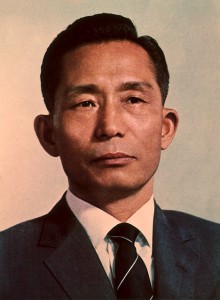
The true catalyst for the chaebol system was General Park Chung-hee, who seized power in a 1961 coup. Park sought to legitimize his rule through rapid economic development. His administration launched a series of Five-Year Economic Development Plans that prioritized export-oriented industrialization. The government hand-picked specific companies to lead key industries, providing them with massive subsidies, protection from foreign competition, and guaranteed loans. In exchange, these companies were required to meet strict government-mandated export quotas. This "Iron Triangle" of the Blue House (the presidential office), the bureaucracy, and the chaebols created a hyper-efficient, if rigid, developmental machine.

1980s–1990s: Industrial Expansion and the 1997 Crisis
By the 1980s, the chaebols had moved from light manufacturing (textiles and wigs) into heavy and chemical industries (steel, shipbuilding, and automobiles). However, the cozy relationship between business and the state led to reckless expansion funded by high debt. This culminated in the 1997 Asian Financial Crisis. The collapse of the Hanbo Steel chaebol and the eventual bankruptcy of the Daewoo Group—then the second-largest conglomerate in the country—sent shockwaves through the economy. The International Monetary Fund (IMF) mandated sweeping structural reforms, forcing chaebols to improve transparency and reduce debt-to-equity ratios.
2000s–Present: The Digital Frontier and Social Backlash
Post-1997, the surviving chaebols, most notably Samsung and LG, pivoted toward high-tech electronics and semiconductors, becoming global leaders. However, this success has been accompanied by growing domestic resentment. Issues such as "gapjil" (abusive behavior by those in power), inheritance tax evasion, and the stifling of small and medium-sized enterprises (SMEs) have led to repeated calls for "economic democratization."
Supporting Data: The Magnitude of Chaebol Influence
The scale of chaebol dominance in the South Korean economy is difficult to overstate. According to data from the Korea Fair Trade Commission (KFTC) and various economic research institutes, the concentration of wealth is among the highest in the developed world.
- GDP Contribution: The top 10 chaebols collectively account for approximately 80% of South Korea’s Gross Domestic Product (GDP). Samsung Electronics alone has, in various years, accounted for nearly 20% of the nation’s total exports.
- Market Capitalization: On the KOSPI, the subsidiaries of the top five chaebols (Samsung, Hyundai Motor, SK, LG, and Lotte) frequently represent over 50% of the total market value.
- R&D Investment: Chaebols drive the nation’s innovation. South Korea consistently ranks as one of the world’s top spenders on Research and Development as a percentage of GDP, with the vast majority of that spending coming from the private sector—specifically from the R&D labs of the major conglomerates.
While these figures highlight the efficiency and global competitiveness of the South Korean economy, they also underscore a precarious "too big to fail" scenario. If a major chaebol were to face a significant downturn, the systemic risk to the national economy would be catastrophic.

Official Responses and Political Intertwinement
The relationship between the chaebols and the South Korean government remains a central theme in national politics. Because the government historically relied on these groups for economic stability, it often provided legal leniency. For decades, it was common for chaebol chairmen to receive presidential pardons after being convicted of white-collar crimes like embezzlement or bribery, under the justification that their leadership was "essential for the national economy."
However, public sentiment has shifted. The 2016-2017 political scandal involving former President Park Geun-hye and Samsung heir Lee Jae-yong served as a turning point. The scandal, which led to Park’s impeachment, centered on allegations that Samsung provided donations to foundations controlled by a presidential confidante in exchange for government support of a controversial merger. The subsequent imprisonment of Lee Jae-yong (though he was later paroled and pardoned) signaled a more rigorous approach to corporate accountability.
Current and recent administrations have attempted to implement reforms aimed at curbing the power of the founding families. Measures include strengthening the rights of minority shareholders, imposing stricter regulations on internal trading between subsidiaries, and encouraging the growth of a startup ecosystem to reduce the economy’s reliance on conglomerates. Despite these efforts, the structural inertia of the chaebol system remains formidable.
Broader Impact and Implications for the Future
The legacy of the chaebol system is a study in contradictions. On one hand, the system provided the discipline and capital necessary to transform South Korea from a recipient of international aid to a donor nation in less than half a century. It created a highly skilled workforce and a brand identity for "Made in Korea" products that rivals that of Japan or Germany.
On the other hand, the "Chaebol Republic" faces significant modern challenges. The dominance of these giants has created a dual-labor market. Jobs at a top-tier chaebol offer high prestige, job security, and high wages, while the rest of the workforce—employed by SMEs or in irregular positions—faces significantly lower pay and fewer benefits. This has contributed to intense educational competition and a social phenomenon often referred to as "Hell Joseon," where young people feel trapped by a lack of social mobility.
Furthermore, as the global economy shifts toward a more agile, software-driven model, some analysts argue that the rigid, top-down hierarchy of the traditional chaebol may become a hindrance. Professor Robert Kelly of Pusan National University has noted that the monopolistic nature of these groups can punish consumers and stifle the "animal spirits" of entrepreneurship.
In conclusion, the chaebol is far more than a convenient plot device for television writers. It is a unique socio-economic institution that is deeply woven into the fabric of South Korean identity. While the "sons of chaebols" in dramas may continue to fascinate global audiences with their scripted arrogance and redemption arcs, the real-world conglomerates they represent are currently navigating a more difficult script: how to evolve in an era that demands greater transparency, social equity, and innovation beyond the shadow of the founding families. The future of South Korea’s economic health will likely depend on whether these giants can be reformed without losing the competitive edge that made them global leaders.
Related News