NCT Member’s New Album Teaser Bashed For Allegedly Copying BTS’s “Swim”
Article Editorial Team
K-pop idol Taeyong, leader and prominent member of SM Entertainment’s globally renowned group NCT, recently unveiled a teaser video for his highly anticipated first full-length album, WYLD, slated for release on May 18, 2026. The promotional clip, specifically designated as "WYLD Clip pt. 5," immediately garnered widespread attention across social media platforms. However, the initial wave of excitement among his dedicated fanbase, NCTzens, soon collided with an unexpected surge of criticism and accusations of concept plagiarism from a segment of BTS’s fandom, known as ARMYs. This sudden controversy ignited a fervent debate online, drawing lines between two of K-pop’s most powerful fan communities and raising perennial questions about artistic inspiration, originality, and the intensity of inter-fandom dynamics in the industry.
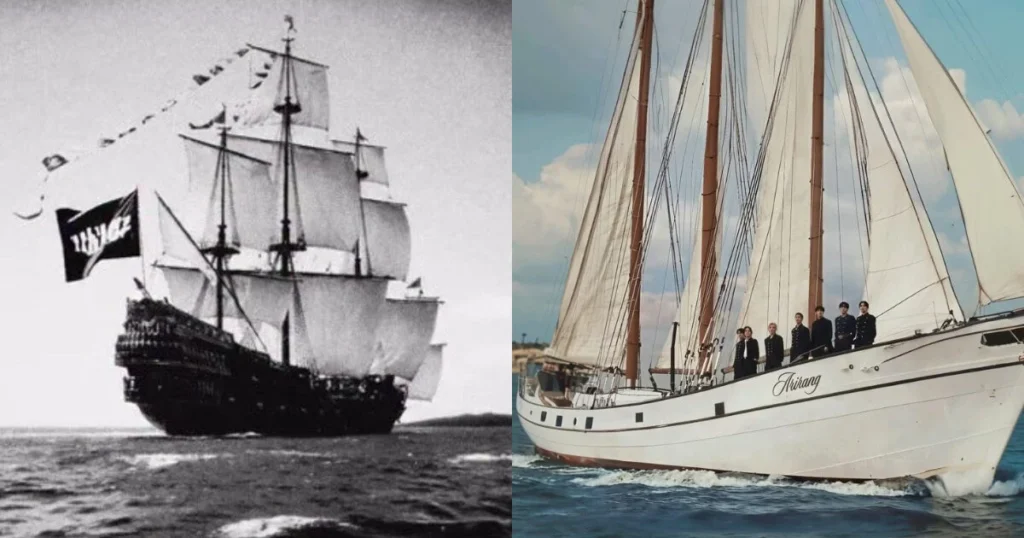
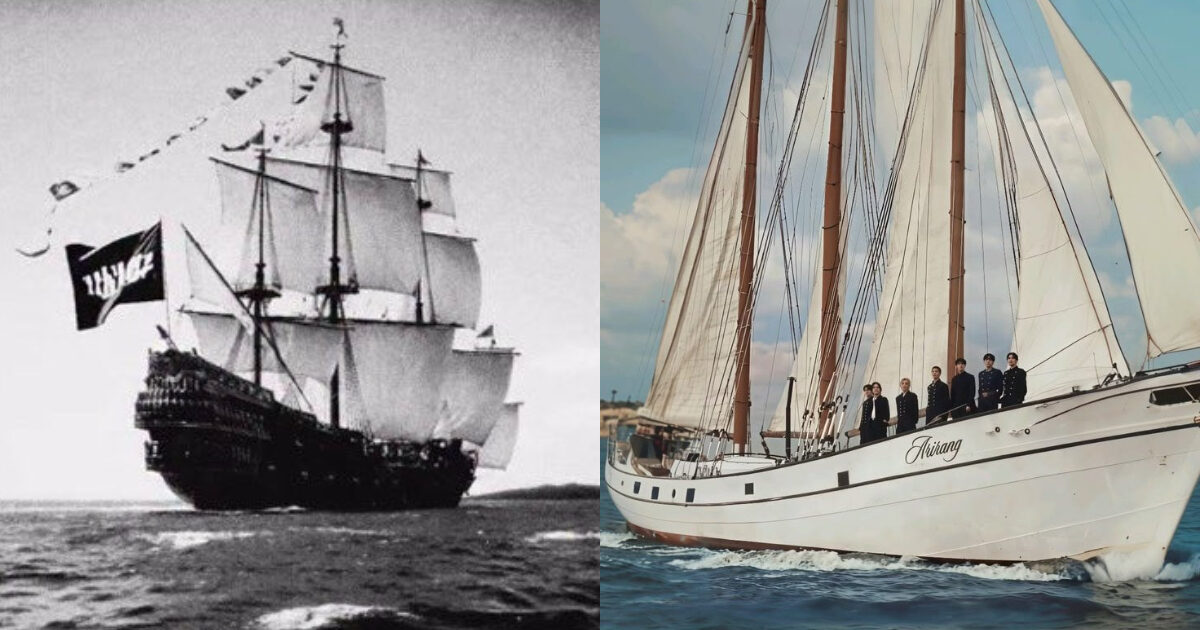
The contentious visual element at the heart of the dispute was a brief but prominent sequence featuring a ship. Upon the teaser’s release on May 7, 2026, some ARMYs quickly drew parallels between Taeyong’s imagery and what they perceived as a similar concept previously utilized by BTS. Specifically, these critics pointed to BTS’s "Swim" music video, which they claimed prominently featured a ship, in particular one identified as "Arirang." The accusations began circulating widely on platforms like X (formerly Twitter) around May 10, 2026, with several posts directly comparing still frames or conceptual elements. One widely shared tweet, posted by user @tomielvvs_ on May 10, 2026, humorously, yet pointedly, asked, "damn was bts’s swim mv props were at 50% sale?" implying a direct imitation. Another user, @solmerv, further elaborated on the alleged connection, stating, "’Arirang’ isn’t even one year old yet and it already has thousands of cheap sons omg free her," suggesting that the specific ship concept was relatively recent and being unduly replicated. These sentiments quickly gained traction, fueling a narrative of unoriginality directed at Taeyong’s solo endeavor.
Background Context: Taeyong’s Artistic Journey and Military Service
Taeyong, born Lee Tae-yong, has been a pivotal figure in NCT since its inception in 2016. As the leader of NCT 127, one of the group’s fixed sub-units, he has been central to their experimental and expansive musical identity. Known for his distinctive rap style, powerful stage presence, and creative input in songwriting and choreography, Taeyong has cultivated a strong individual artistic identity within NCT’s diverse framework. His journey as a solo artist formally began with his first mini-album, SHALALA, which was met with critical acclaim and commercial success, showcasing his versatility beyond the group’s dynamic. WYLD, being his first full-length album, marks a significant milestone in his career, offering him an expanded canvas to express his personal artistry and vision. The album title itself, WYLD, hints at themes of freedom, exploration, and perhaps a return to a more raw, uninhibited form of expression.
Crucially, the context surrounding Taeyong’s recent activities includes his military service. In South Korea, all able-bodied male citizens are required to complete mandatory military service, a duty that often impacts the careers of K-pop idols significantly. While the exact timing of Taeyong’s enlistment relative to the album production is not fully detailed in the initial reports, several NCTzens swiftly highlighted that Taeyong had "actually been in the navy" or "spent almost 2 years of his life in the actual NAVY." This personal experience, whether completed recently or ongoing during album conceptualization, provides a compelling and deeply personal rationale for the use of nautical imagery. For an artist to draw inspiration from such a significant life event is not uncommon, and for many fans, it lent an authentic and profound layer to the album’s visual direction, directly countering the claims of uninspired imitation. This aspect became a cornerstone of NCTzens’ defense, arguing that the imagery was a reflection of Taeyong’s lived experience rather than a derivative concept.
The Counter-Response: NCTzens Defend Artistic Freedom
The accusations from some ARMYs were met with swift and robust rebuttals from NCTzens, who expressed bewilderment and frustration at the claims. Fans of NCT were quick to point out the universality of ship and ocean themes in various forms of media, questioning the originality claims made by BTS fans. User @mieyongyongyong succinctly captured this sentiment, tweeting, "it’s either you’re living in the mountains or a fucking 10 year old to have beef to people using things like boats that have been existing in movies, music videos, concepts, and art." This highlighted a fundamental disagreement over what constitutes a unique artistic concept, with NCTzens arguing that common elements like ships are part of a shared creative lexicon, not exclusive to any single artist or group.
Furthermore, the emphasis on Taeyong’s naval service became a dominant argument in his defense. Tweets such as "ah yes… the guy who’s actually been in the navy is stealing now a one second clip of a ship… the more yall run around and accuse every group and person out there for stealing the more ridiculous yall look" from @icednanaricano, and "the man spent almost 2 years of his life in the actual NAVY and can’t even use a ship in his album imagery…" from @SUHWONU, underscored the perceived absurdity of the allegations. Another fan, @neogotmybangtan, articulated the sentiment forcefully: "ok so the idol who was ACTUALLY IN THE FUCKING NAVY for AN ENTIRE YEAR AND A HALF can’t use boat imagery for his album bc bts also did so… we’re losing the plot so so so bad." These responses not only defended Taeyong but also criticized the accusers for what they viewed as an overzealous and illogical attempt to claim ownership over universal themes, particularly when an artist has a direct, personal connection to the imagery.
Fandom Dynamics and the "Plagiarism" Debate in K-Pop
This incident is not an isolated occurrence but rather a recurring symptom of the intense and often territorial nature of K-pop fandoms. Both BTS and NCT command immense global followings, and their respective fanbases, ARMYs and NCTzens, are known for their fierce loyalty and dedication. While such passionate support is a driving force behind K-pop’s global success, it can also lead to heated conflicts when perceived threats to their idols’ originality or achievements arise. The "plagiarism" debate, in particular, has a long history in the K-pop industry, with accusations frequently surfacing over similar concepts, aesthetics, choreographies, or even lyrical themes. These claims often gain rapid momentum on social media, where they can quickly escalate into full-blown "fan wars," characterized by trending hashtags, mass reporting, and often uncivil exchanges.
The specific reference to "Arirang" adds another layer of cultural context. "Arirang" is a widely recognized Korean folk song and a powerful symbol of Korean identity and heritage. While it is also a common name for ships (including historical and cultural vessels), its invocation in the context of a "plagiarism" claim could imply a deeper cultural appropriation, or perhaps, an attempt by some fans to link the concept to a unique cultural narrative they associate with BTS. However, the universality of ships as a metaphor for journeys, challenges, and new beginnings makes it difficult to definitively claim exclusive ownership over such imagery. From Homer’s Odyssey to countless films and music videos across the world, ships have been a timeless artistic device.
The rapid spread of these accusations and counter-arguments on platforms like X highlights the powerful, yet often unregulated, nature of online discourse in K-pop. While social media allows fans to connect and celebrate their idols, it also provides an immediate and unfiltered arena for disputes, where nuance can be lost, and emotions can run high. The intensity of the debate often overshadows the artistic merit of the work itself, diverting attention from the album’s musical content to external controversies.
Official Responses and Industry Implications
As is typical in such fan-driven disputes, neither SM Entertainment, NCT’s agency, nor HYBE Corporation, BTS’s agency, issued official statements regarding the "plagiarism" claims. K-pop agencies generally refrain from commenting on unsubstantiated fan accusations unless they involve significant legal implications or widespread defamation. Addressing every fan-generated controversy could legitimize tenuous claims and exhaust resources. Their silence, in this context, can be interpreted as a dismissal of the accusations as unfounded and part of the routine noise of inter-fandom interactions.
From an industry perspective, this incident serves as a reminder of the delicate balance between artistic inspiration and the demand for absolute originality in a highly competitive and visually driven market. K-pop artists and their creative teams are constantly pushed to innovate and deliver fresh concepts, yet they operate within a global cultural landscape where ideas and aesthetics inevitably intersect and influence one another. The expectation for every visual element to be entirely novel can be unrealistic, especially when dealing with archetypal imagery like ships, which carry universally understood symbolism.
The broader implications extend to the K-pop fan ecosystem itself. While competition between groups and their fanbases is a natural part of the industry, prolonged or aggressive "fan wars" can detract from the overall positive image of K-pop and create a less welcoming environment for new fans. The controversy surrounding Taeyong’s WYLD teaser, albeit driven by a vocal minority, illustrates the ongoing challenge of managing online fan behavior and fostering a more respectful inter-fandom dialogue. Ultimately, while the debate generated significant social media traffic, it is unlikely to fundamentally alter Taeyong’s artistic trajectory or the success of his album. Instead, it underscores the enduring complexities of navigating creativity, perception, and intense fandom loyalty in the global K-pop phenomenon. As WYLD prepares for its full release, the focus will inevitably shift back to Taeyong’s music and artistic vision, allowing the album to speak for itself beyond the initial waves of online contention.
Related News