Girl Group Member Accuses Male Idol Of Starting Dating Rumors With Action On Stage
Article Editorial Team
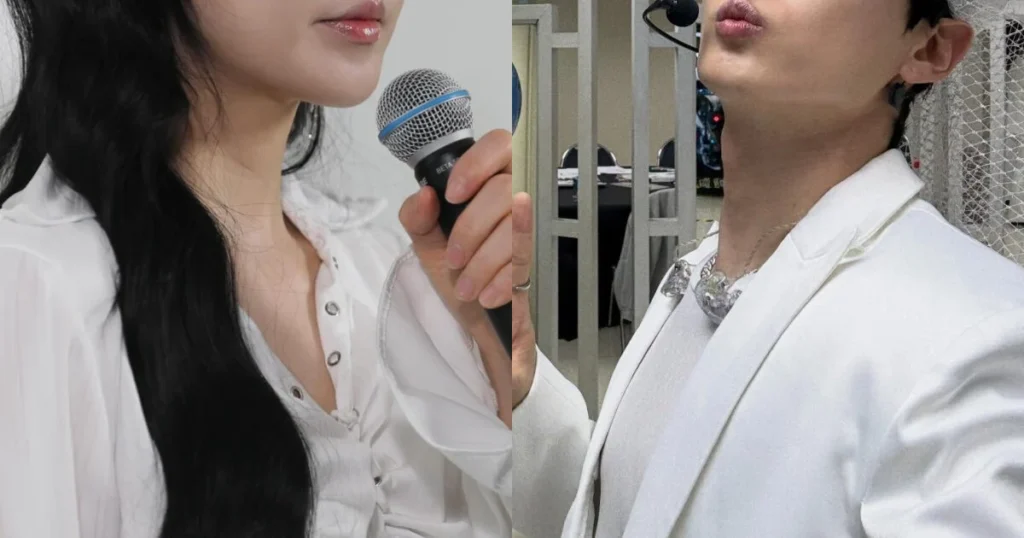
The revelation occurred during an episode of the YouTube variety program hosted by Super Junior members Donghae and Eunhyuk. The episode, which featured guests Lee Bo-ram and KARA’s Park Gyuri, delved into the history of the second-generation K-pop era, a period marked by intense media scrutiny and the rapid rise of fan-driven "shipping" culture. The discussion highlights the enduring nature of celebrity rumors in the South Korean entertainment industry and the specific ways in which minor public interactions can escalate into nationwide scandals.
The Genesis of the Rumor: The Dream Concert Incident
According to the testimony provided by Lee Bo-ram, the dating rumors that followed her for years did not stem from private meetings or leaked photographs, but rather from a single, brief interaction on stage during the finale of the Dream Concert. The Dream Concert is historically one of South Korea’s largest annual music events, typically featuring a "grand finale" where all performing artists gather on stage to greet the audience.
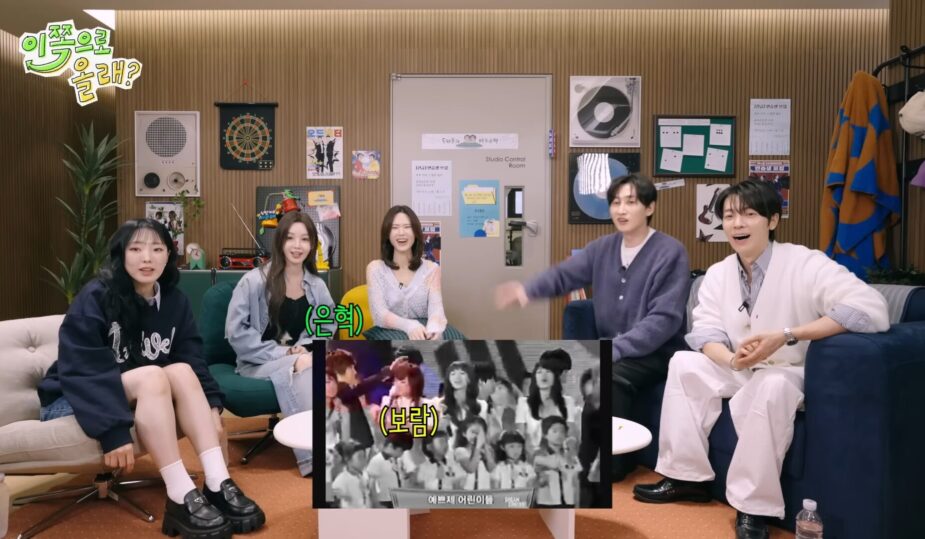
Lee Bo-ram recounted that as the artists were exiting the stage, Eunhyuk approached her and lightly tapped her on the head. In the context of K-pop fan culture, particularly during the late 2000s, physical contact—often referred to as "skinship"—between male and female idols was rare and highly scrutinized. A head tap, which can be interpreted as an affectionate or protective gesture in Korean social dynamics, was immediately seized upon by fans and media outlets as evidence of a romantic relationship.
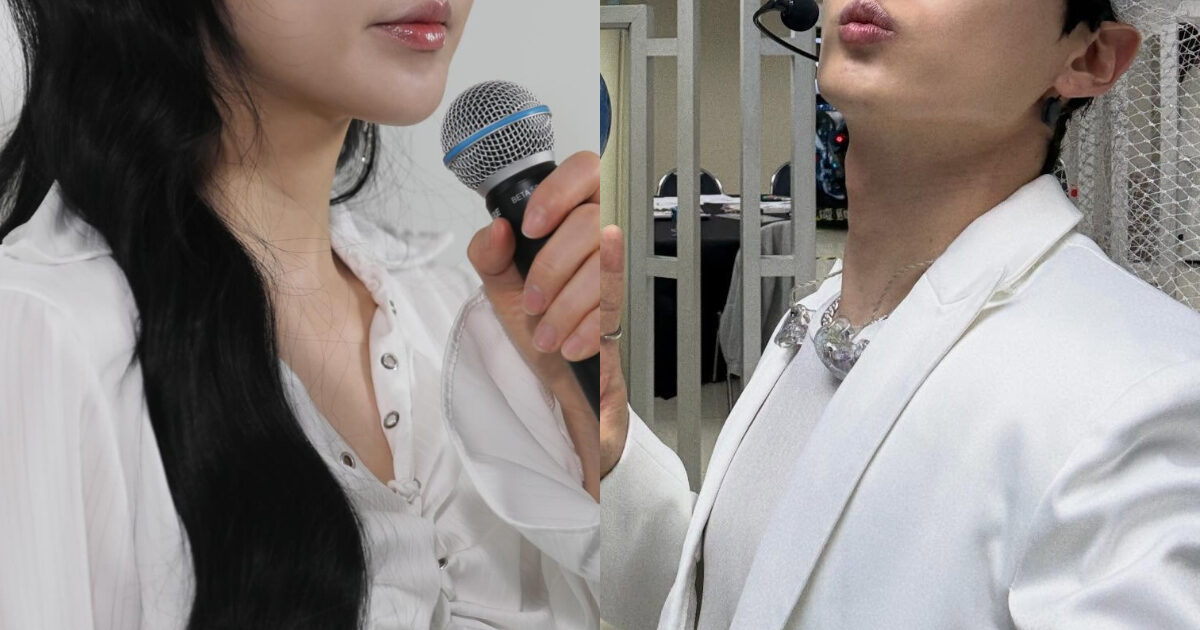
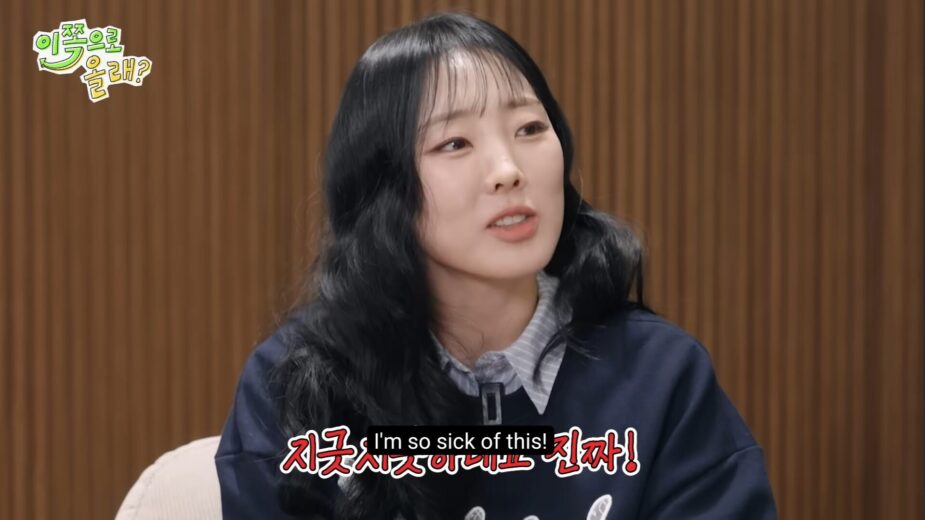
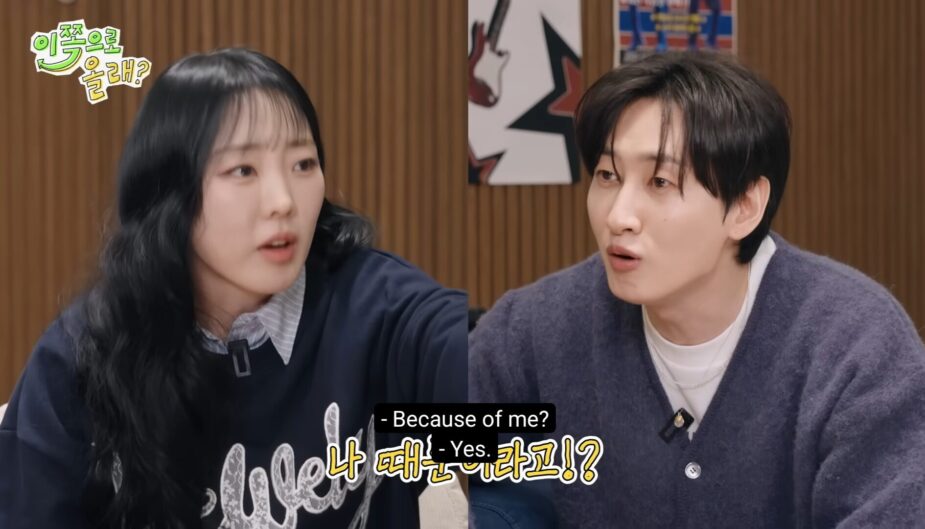
During the YouTube recording, Lee expressed her long-standing frustration with the situation, stating, "I’m so sick of this!" She placed the responsibility for the misunderstanding squarely on Eunhyuk’s spontaneous action, noting that she had been a passive participant in the moment that defined her public image for years. Eunhyuk, appearing surprised by the vividness of her memory, questioned his own role in the event, to which Lee responded that she remembered the incident "clearly" because of the fallout it caused.
Immediate Aftermath and Agency Intervention
The speed with which the rumor transitioned from fan speculation to mainstream news highlights the aggressive nature of the South Korean entertainment press during the mid-2000s. Lee Bo-ram revealed that the morning after the Dream Concert, she was summoned by her management agency to explain the nature of her relationship with the Super Junior member.
"The next day, the company asked, ‘What’s going on between you two?’" Lee recalled. Despite her insistence that they were merely colleagues or casual friends, the agency’s internal inquiry was followed by the publication of several news articles detailing the "suspicious" interaction on stage. This sequence of events illustrates the pressure placed on idols to maintain a "single" status to satisfy fan expectations, and how even harmless platonic gestures were viewed as liabilities by management.
Eunhyuk and Lee Bo-ram both noted during the broadcast that if they had actually been dating at the time, they would have been far more cautious. "If we were dating, we couldn’t act like that [on stage]," they admitted, suggesting that the very public nature of the gesture should have served as proof of its innocence.

Peer Perspectives and the "Industry Open Secret"
A significant addition to the conversation came from Park Gyuri of the girl group KARA, who was also a guest on the program. Gyuri confessed that even she, a fellow idol who worked in the same circles, believed the rumors were true. Her perspective provides insight into how rumors circulate within the industry itself, often blurring the lines between fact and fiction for peers.
"I actually thought Boram and Eunhyuk were dating," Gyuri stated. She further elaborated that she had assumed the two had been in a relationship and had perhaps already broken up by the time she heard the details. The fact that a contemporary like Gyuri—who would theoretically have better access to industry "insider" information—was misled by the rumors underscores the power of public narrative over private reality in the K-pop world.
Historical Context: The Second Generation K-pop Era
To understand the weight of these accusations, one must consider the cultural landscape of the South Korean music industry between 2005 and 2012. This period, often called the "Second Generation," saw the global expansion of Hallyu (the Korean Wave). Groups like Super Junior (debuted 2005) and SeeYa (debuted 2006) were at the forefront of this movement.
During this era, the "parasocial relationship" between idols and fans was reaching its first peak. Fans invested heavily in the perceived purity and availability of their favorite stars. Consequently, any hint of a romantic entanglement could lead to significant backlash, including the boycotting of albums or organized online harassment. Agencies, therefore, enforced strict "dating bans" and monitored public behavior with extreme diligence.
The Dream Concert, where the incident took place, was a lightning rod for such scrutiny. With dozens of idols from different agencies sharing a single stage, "fancams" (videos recorded by fans) were often analyzed frame-by-frame to find hidden glances or subtle touches. Eunhyuk’s head tap was a victim of this microscopic analysis, transformed from a friendly "good job" or "see you later" into a national headline.
Analysis of the "Head Tap" as a Cultural Signifier
In South Korean media, the "head tap" or "head pat" is a recurring trope in romantic dramas, often used to signify a male lead’s affection for a female lead. By performing this action in a public setting, Eunhyuk inadvertently triggered a scripted romantic expectation in the minds of the audience.
Super Junior’s Donghae, reviewing the archival footage during the YouTube episode, offered a more objective interpretation. He noted that Lee Bo-ram appeared "annoyed" in the video rather than enamored. He characterized the gesture not as a romantic advance, but as a casual, somewhat dismissive acknowledgment, akin to saying, "Hey, I’m off." This analysis aligns with the reality of many idol friendships, which are often characterized by a "sibling-like" bickering or casual camaraderie that is frequently misinterpreted by the public as romantic tension.
The Role of Modern Media in Recontextualizing Past Scandals
The fact that this conversation is taking place now, nearly two decades after the peak of SeeYa’s popularity, reflects a broader trend in the K-pop industry: the "reconciliation with the past." Through YouTube variety shows and podcasts, veteran idols are increasingly reclaiming their narratives, debunking old rumors, and speaking openly about the restrictions they faced during their youth.
This transparency serves several purposes:
- Humanization: It strips away the manufactured "perfect" image of the 2nd generation idol, revealing the human frustrations behind the scandals.
- Education: It provides younger fans and current idols with a historical perspective on how the industry has evolved regarding privacy and dating.
- Closure: For artists like Lee Bo-ram, who expressed being "sick" of the rumors, these platforms provide a final opportunity to set the record straight before a large audience.
Broader Implications for the K-pop Industry
The Eunhyuk-Boram incident serves as a case study for the "rumor mill" mechanics that continue to plague the industry today. While the 4th and 5th generations of K-pop idols operate in a world with more social media autonomy, the core issue remains: the public’s tendency to over-interpret platonic interactions.
Recent years have seen similar rumors ignite over "matching" accessories (couple items), similar social media captions, or idols standing near each other at award ceremonies. The Lee Bo-ram revelation highlights the inherent danger of these assumptions. When a simple gesture of friendship can lead to a formal investigation by a management company and years of public association, it creates a stifling environment for artists.
Furthermore, the involvement of the agency in questioning Lee Bo-ram the very next day points to the "damage control" culture that often prioritizes marketability over the truth. By confirming that the rumors were baseless, the participants in the YouTube video are indirectly criticizing the reactionary nature of the industry’s past management styles.
Conclusion
The clarification provided by Lee Bo-ram and Eunhyuk brings a definitive end to a rumor that has persisted in the peripheries of K-pop history for over a decade. The "Dream Concert incident" remains a testament to the volatility of fame during the Second Generation and the lasting impact of a single, unscripted moment on a public stage.
As the industry continues to move toward a model of greater transparency, stories like these offer a valuable look at the complexities of life as a K-pop idol. While the rumors may have caused frustration and professional stress at the time, the ability of these artists to now laugh about the misunderstanding—and for peers like Gyuri to admit their own misconceptions—suggests a healthier, more reflective era for the veterans of the Korean music scene. The "head tap" that started it all is finally recognized for what it was: a casual goodbye between friends, misinterpreted by a world eager for a headline.
Related News