The Proliferation of Sasaeng Culture in the K-pop Industry and Its Socio-Legal Implications for Artist Safety and Fandom Management
Article Editorial Team

The term sasaeng, derived from the Korean words "sa" (private) and "saeng" (life), describes a specific subculture of obsessive fans who engage in intrusive, often criminal, behavior to track the personal lives of South Korean idols. While the global expansion of K-pop has brought unprecedented commercial success to the industry, it has also amplified the challenges posed by these individuals. Unlike traditional fans who support an artist’s professional endeavors through music consumption and concert attendance, sasaengs prioritize the invasion of privacy, viewing the idol’s personal boundaries as obstacles to be dismantled. This phenomenon is not merely an extreme form of fandom but is increasingly recognized as a systemic issue involving stalking, harassment, and digital espionage.
The Case of Exo: A Turning Point in Fandom Extremism
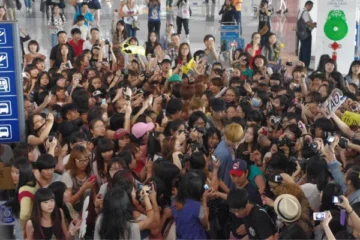
Recent developments surrounding the SM Entertainment group Exo have brought the issue of sasaeng behavior to the forefront of national media. Since their debut, the members of Exo have been subjected to a level of scrutiny that transcends standard celebrity interest. Reports have surfaced detailing a series of alarming incidents, including the unauthorized recording of member Tao while he was in his private hotel bathroom, and the presence of unruly mobs at international airports that have resulted in physical altercations and injuries. In several instances, members have been shoved or tripped in crowded terminals, while others have reported fans attempting to link arms with them or touch them inappropriately under the guise of being "supporters."
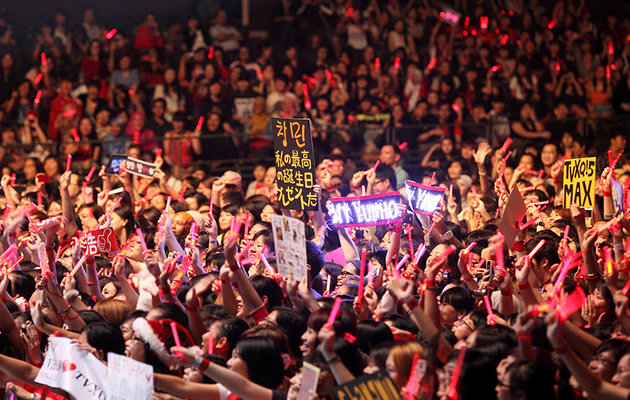
In an interview with Sports Seoul, the members of Exo expressed profound distress regarding these intrusions. The group characterized the constant surveillance as a "burdensome" reality that affects their mental well-being and daily functioning. They issued a formal plea for fans to respect their personal space, highlighting that the line between admiration and harassment had been repeatedly crossed. The psychological toll of such behavior is significant; the constant threat of home break-ins or the hacking of personal telecommunications devices creates an environment of perpetual hyper-vigilance for young performers.
Historical Context: The TVXQ Precedent
To understand the current climate of sasaeng culture, one must look to the history of TVXQ, a group often cited as having the most aggressive and organized sasaeng following in K-pop history. During the height of their activities as a five-member group, TVXQ faced unprecedented levels of stalking. Sasaengs famously utilized "sasaeng taxis"—commercial drivers hired specifically to tail idols 24 hours a day—to follow the members to their private residences and recording studios.
Documented incidents involving TVXQ include fans breaking into their dormitories to take photos of the members while they slept, the theft of personal items such as underwear for sale on the black market, and the duplication of their phone SIM cards to monitor private conversations. These historical precedents set a dangerous template for future generations of obsessive fans, establishing a competitive "prestige" within sasaeng circles based on the level of private information one could obtain.

A Taxonomy of Intrusive Behaviors
The methods employed by sasaengs have evolved alongside technological advancements. Current data suggests that these behaviors can be categorized into three primary levels of intrusion:
- Physical Stalking and Transportation: This involves the use of chartered vehicles to follow idols between schedules. In many cases, sasaengs will book the same flights as idols, often using illegally obtained flight information to sit in close proximity to the artists for the duration of a journey.
- Digital Espionage: Hacking remains a prevalent threat. Sasaengs frequently target the KakaoTalk accounts or iCloud backups of idols to leak private photos or contact lists. The sale of "kakaodata" (private contact information) has become a clandestine economy within social media platforms.
- Property and Personal Violation: This includes trespassing into residential buildings, stealing mail, and physical groping in public spaces. The "airport mob" phenomenon is a subset of this, where the lack of physical barriers allows sasaengs to initiate unwanted physical contact.
Analyzing the Drivers of Obsession
The intensity of sasaeng followings can be linked to several institutional and marketing factors within the K-pop industry.
Institutional Visibility
Groups belonging to "Big Three" agencies (SM, YG, and JYP Entertainment) or major conglomerates like HYBE are inherently more susceptible to sasaeng activity. The massive marketing budgets and high-frequency content cycles of these companies foster a sense of constant accessibility. When a company announces a new group with significant hype, it inadvertently signals to sasaengs that a new "target" is available, leading to the discovery of private information even before the group officially debuts.

The Parasocial Marketing Model
The K-pop industry often utilizes "shipping" (pairing members together) and intimate fan-service to build brand loyalty. While effective for marketing, this can lead to "delusional" attachments among a small percentage of the audience. When idols are marketed as "ideal partners" or "close friends" to their fans, sasaengs may interpret this as an invitation to integrate themselves into the idol’s actual private life.
Demographic Factors
Fandoms with a younger, more impressionable demographic often exhibit more volatile behavior. Industry analysts have noted that groups with an older "noona" (older sister) or "hyung" (older brother) fan base tend to experience fewer sasaeng incidents, as these fans often possess the maturity and financial independence to maintain healthy boundaries.
Risk Mitigation and Management Strategies
As the threat to artist safety grows, agencies and idols have begun adopting more rigorous strategies to combat sasaeng culture. These approaches range from public shaming to legal prosecution.

The "Firm Stance" and Public Rebukes
Historically, idols were encouraged to remain polite even in the face of harassment to maintain a positive public image. However, veterans like Shinhwa’s Kim Dong-wan shifted this paradigm. During Shinhwa’s early years, Kim famously told fans, "Shinhwa isn’t responsible for your lives," a statement that initially caused a loss of fans but eventually cultivated a more respectful and long-lasting fandom. Modern idols are increasingly following this lead, with members like Shim Changmin of TVXQ openly telling intrusive fans to "find a boyfriend" and focus on their own lives.
Legal Recourse and Law Enforcement
The industry is moving away from passive tolerance toward active litigation. Agencies are now more likely to "lawyer up," using CCTV footage and digital trails to file stalking charges. In South Korea, the implementation of stricter anti-stalking laws has provided a legal framework for prosecuting individuals who follow idols or wait outside their residences. Taking photos or videos of the sasaengs themselves to use as evidence in police reports has also become a common defensive tactic.
Digital Security and Privacy Hygiene
Management companies are increasingly emphasizing the importance of digital security for their artists. This includes the use of encrypted messaging apps, frequent changes to phone numbers, and the avoidance of "over-sharing" on social media that could reveal an artist’s current location.

Broader Industry Implications
The persistence of sasaeng culture poses a significant risk to the sustainability of the K-pop model. The psychological burnout of artists leads to shortened career spans and mental health crises. Furthermore, the physical danger at airports and public venues poses a liability risk for management companies and a safety hazard for the general public.
The industry is currently at a crossroads. While the "idol" image relies on a certain level of perceived intimacy with the fan base, the safety of the artist requires the enforcement of rigid boundaries. The transition from viewing sasaengs as "extreme fans" to recognizing them as "criminal stalkers" is a necessary evolution for the protection of human rights within the entertainment sector.
Conclusion
The rise of sasaeng culture is an unfortunate byproduct of the high-stakes, high-visibility world of K-pop. The experiences of groups like Exo and TVXQ serve as a stark reminder of the dangers of unchecked obsession. For the industry to move forward, a multi-faceted approach involving stricter legal protections, firm agency policies, and a shift in fan culture is essential. Fandom should remain a source of mutual support and joy; when it devolves into surveillance and harassment, it ceases to be fandom and becomes a matter for law enforcement. As the global community continues to embrace K-pop, the focus must remain on the music and talent of the artists, rather than the exploitation of their private lives.
Related News