SM Entertainment Called Out After Fixing Controversial Picture Of Popular Boy Group Member
Article Editorial Team
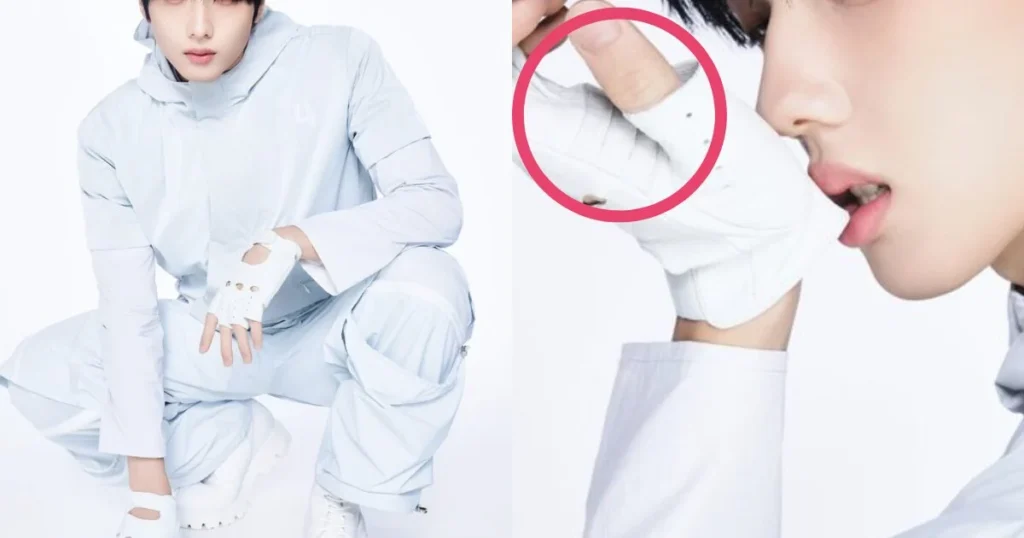
The South Korean entertainment industry, renowned for its meticulous attention to detail and high-production value, faced a wave of scrutiny on May 14, 2026, when SM Entertainment released promotional material for a landmark anniversary project. Fans of the global K-pop sensation NCT were quick to identify a glaring anatomical error in a concept photo featuring Jisung, the group’s youngest original member. The image, intended to generate excitement for NCT’s 10th-anniversary pop-up event, instead became a lightning rod for criticism regarding the agency’s quality control standards and its reliance on automated editing tools.
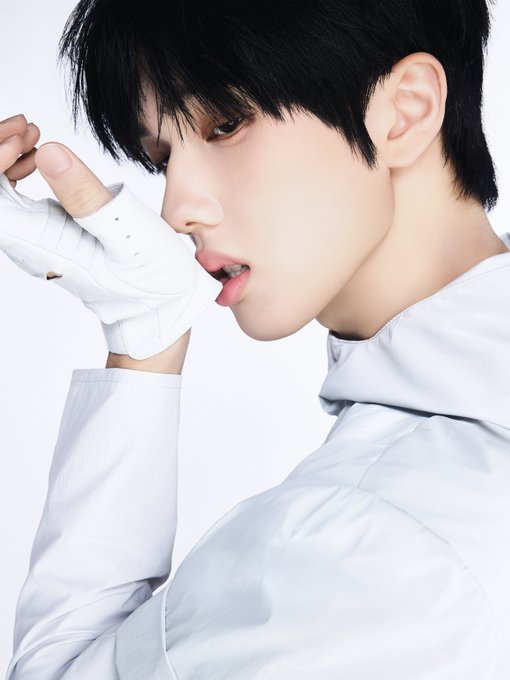
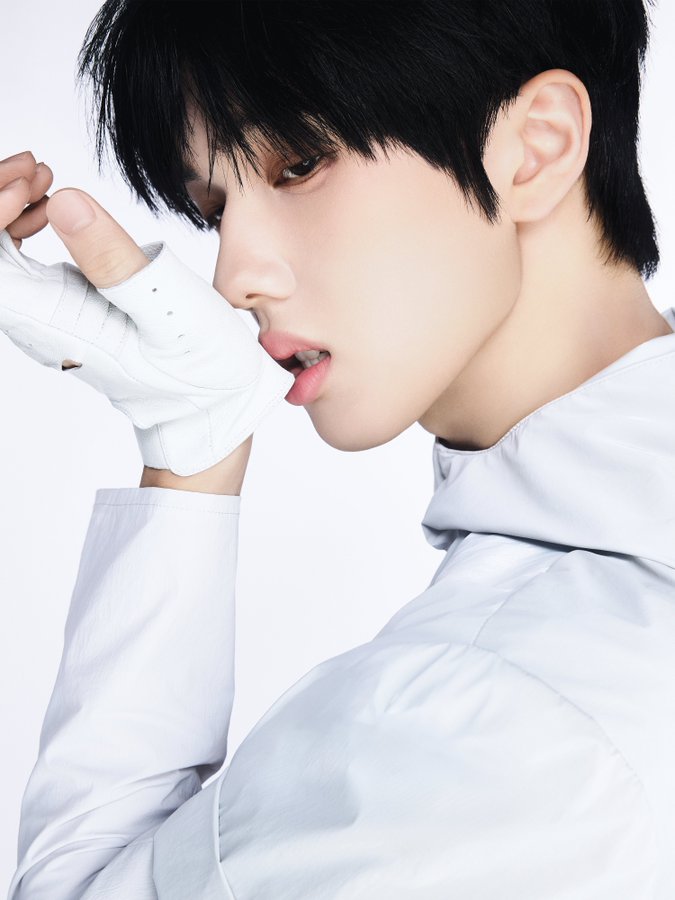
The controversy began shortly after the official NCT social media accounts uploaded a series of teaser images. In one particular shot of Jisung, eagle-eyed fans noticed that the artist appeared to have six fingers on one of his hands. The anomaly, characterized by an unnatural digital smudge and an extra digit protruding from the palm area, immediately went viral across platforms like X (formerly Twitter), Weibo, and various South Korean online communities. Within minutes, the hashtag associated with the anniversary event was flooded not with celebratory messages, but with screenshots highlighting the editing failure.
The Chronology of the Controversy
The timeline of the incident suggests a rapid but ultimately unsatisfactory response from SM Entertainment’s creative department. The initial set of photos was published in the early afternoon of May 14. By the one-hour mark, the "six-finger" image had already garnered thousands of retweets, with many fans speculating that the error was a "hallucination" caused by Generative Artificial Intelligence (AI) tools or a result of careless Liquify-tool usage during the retouching process.
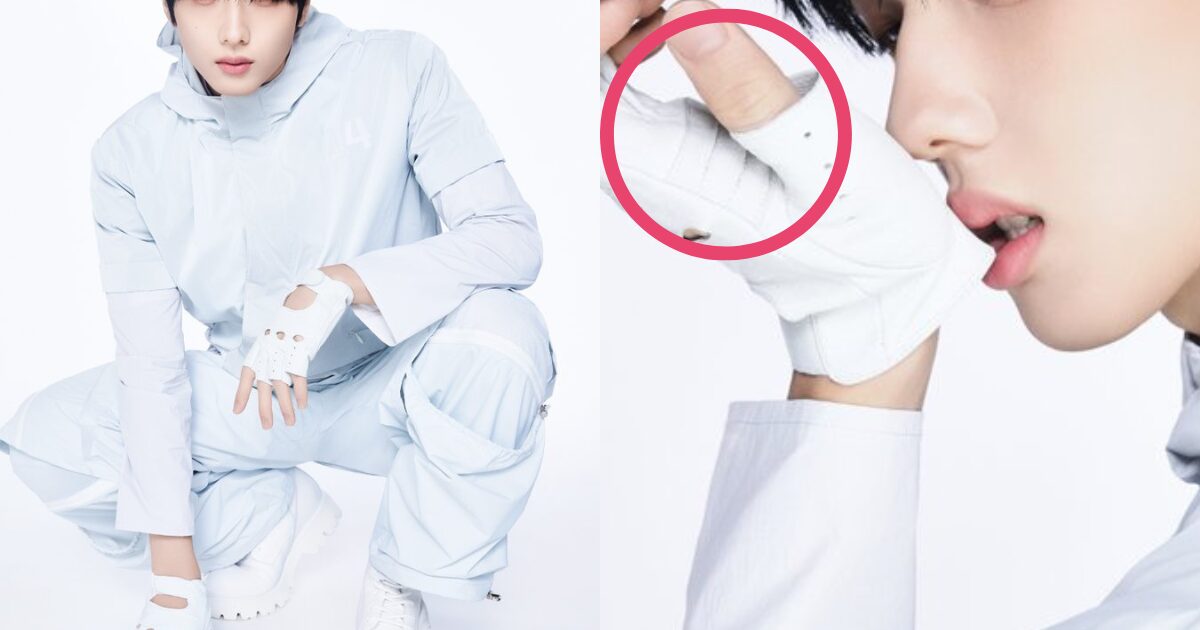
Approximately one hour after the initial upload, SM Entertainment quietly updated the promotional gallery on several platforms. However, rather than issuing an apology or providing a professionally corrected version of the photograph, the agency opted to crop the image. The updated version simply removed the bottom portion of the frame where Jisung’s hand was visible. This "lazy fix," as described by prominent fanbases, only served to exacerbate the situation.
Four hours into the controversy, the dissatisfaction peaked when the agency reposted the cropped images as part of a secondary promotional push. The fan account "JISUNG GLOBAL" expressed the collective frustration of the fandom, questioning the agency’s professionalism. "Are you serious? It took you 4 hours to repost his photos and all you could do is crop it? Is this really the best you could do? Do your job better! Jisung does not deserve this," the account posted, garnering tens of thousands of likes and echoing a sentiment of perceived neglect toward the artist’s image.
The Significance of the 10th Anniversary Project
The timing of this error is particularly sensitive given the milestone it represents. NCT, which stands for Neo Culture Technology, debuted in 2016 under a unique "infinite expansion" concept that has since seen the group grow into multiple permanent subunits, including NCT 127, NCT DREAM, WayV, and NCT WISH. As the group approaches a full decade in the industry, the 10th-anniversary project was positioned as a high-stakes celebration of their legacy and global influence.
Jisung, who debuted at the age of 14 with NCT DREAM, holds a special place in the fandom as the "eternal maknae" (youngest member) who has grown up before the eyes of the public. Fans argued that such a significant career milestone should be handled with the utmost care, rather than being marred by what appears to be a rushed and unvetted creative process. The pop-up event associated with these photos is expected to be a major revenue driver, featuring exclusive merchandise and immersive experiences, making the lack of polish in the marketing materials even more jarring to stakeholders and consumers.

Technical Analysis: AI Hallucinations or Human Error?
The nature of the error has sparked a broader debate about the increasing use of AI in the K-pop creative pipeline. Digital art experts note that "extra appendages" are a hallmark of current-generation AI image generation. While AI can produce stunning backgrounds and lighting effects, it notoriously struggles with the complex geometry of human hands.
If SM Entertainment utilized AI to enhance or generate parts of the concept photos, the presence of a sixth finger would indicate a failure to perform a basic manual review of the output. Conversely, if the error occurred during manual retouching—where an editor might accidentally clone a finger while trying to adjust the lighting or skin texture—it points to a severe lack of oversight in the final approval stage. In either scenario, the consensus among industry observers is that the error should have been caught long before the image reached the public domain.
The Pattern of Quality Control Concerns at SM Entertainment
This incident does not exist in a vacuum. Over the past several years, SM Entertainment has faced periodic criticism for various administrative and creative oversights. Previous examples include spelling errors on physical album packaging, the omission of members from official posters, and delayed content releases.
Under the "SM 3.0" era—a strategic restructuring designed to decentralize production and increase efficiency—the agency promised a more streamlined and professional output. However, critics argue that the pressure to produce a constant stream of content for multiple groups simultaneously has led to a "quantity over quality" culture. The Jisung photo incident is being cited by many as a symptom of a creative department that is either understaffed or overly reliant on automation to meet tight deadlines.
Official Responses and Industry Implications
As of the time of reporting, SM Entertainment has not issued a formal statement regarding the editing error or the decision to crop the photo. This silence is typical of the agency’s approach to minor creative blunders, but the scale of the 10th-anniversary project may eventually necessitate a more direct response to appease the domestic and international fanbase.
Market analysts suggest that while such incidents rarely have a long-term impact on stock prices, they do erode brand loyalty and "fan trust." In the highly competitive K-pop landscape, the relationship between the agency and the fandom is a critical asset. When fans feel that an agency is "lazy" or "disrespectful" toward an artist’s image, it can lead to organized boycotts of merchandise or reduced engagement with official content.
Furthermore, this incident highlights the growing pains of integrating AI into the arts. While technology can expedite the creative process, the "human touch" remains essential for ensuring the dignity and accuracy of the human form, especially when the "product" being marketed is a human idol.
Broader Impact on the K-Pop Landscape
The "six-finger" controversy has become a cautionary tale for other entertainment companies. As agencies across the globe experiment with virtual idols, AI-generated concept art, and automated social media management, the demand for human accountability has never been higher.
For NCT and Jisung, the 10th-anniversary celebrations will likely continue with high attendance and enthusiasm, but the shadow of this "lazy fix" remains a point of contention. The incident serves as a reminder that in the age of high-definition screens and viral social media, there is no such thing as a small mistake. Every pixel is scrutinized, and every edit is a reflection of the agency’s respect for both its artists and its consumers.
Moving forward, fans are calling for SM Entertainment to implement more rigorous multi-stage review processes for all promotional materials. The demand is simple: if the agency expects fans to invest their time and money into a 10th-anniversary celebration, the agency must demonstrate a commensurate level of investment in the quality of the work they produce. For now, the cropped image remains on NCT’s official pages, a silent testament to a digital mishap that the agency hoped would simply disappear from view.
Related News