The Worst K-Dramas Of 2026 So Far
Article Editorial Team

The Landscape of South Korean Television in 2026
The first half of 2026 has been characterized by an aggressive expansion of original content across major terrestrial networks and global streaming platforms such as Netflix, Disney+, and TVING. With production budgets reaching new heights, the industry has seen an influx of experimental genres, ranging from high-concept science fiction to alternate-history period pieces. However, this surge in quantity has sparked a debate among industry analysts regarding the "dilution of quality." According to recent viewership data and sentiment analysis, the primary grievances cited by audiences include narrative stagnation, over-reliance on product placement (PPL), and a lack of chemistry between lead actors.
A mid-year poll conducted by prominent entertainment outlet Koreaboo sought to identify which series have struggled the most to capture the public’s imagination. The results reflect a broader trend: viewers are no longer satisfied with "star power" alone; they demand cohesive world-building and innovative storytelling.

Chronology of Disappointment: The Mid-Year Ranking
The following series have been identified by viewers as the least successful productions of 2026 thus far. The rankings are based on a combination of audience voting, domestic viewership ratings, and social media engagement metrics.
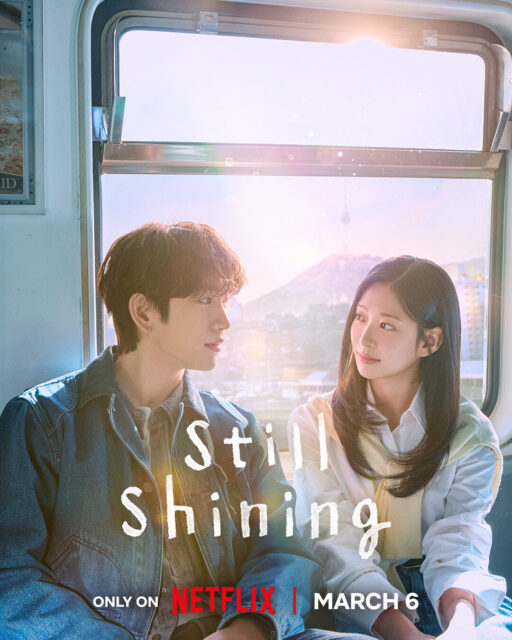
5. Still Shining: The Failure of the "Healing Drama" Trope
Receiving 5% of the total vote, Still Shining was initially marketed as a "healing romance" intended to capitalize on the success of previous slow-burn hits. The plot centers on two former high school sweethearts who reunite a decade after their separation, which was caused by a combination of family obligations, divergent career paths, and unresolved trauma.
Despite a promising premise, the series faced criticism for its glacial pacing and repetitive dialogue. Industry analysts suggest that while "healing" dramas were a staple of the early 2020s, the 2026 audience appears to have developed "melancholy fatigue." Critics noted that the "trauma" aspects of the plot felt manufactured rather than organic, leading to a lack of emotional investment from the viewers. The domestic ratings for Still Shining peaked early at 4.2% before dwindling to a series low of 1.8% by its finale.

4. Can This Love Be Translated?: Lost in Communication
Also garnering 5% of the vote, Can This Love Be Translated? attempted to explore the complexities of linguistics and emotional intelligence. The narrative follows two protagonists who perceive and express affection in diametrically opposite ways, leading to a series of comedic and dramatic misunderstandings.
The backlash against this series primarily focused on the "frustration factor." Viewers expressed that the central conflict felt easily resolvable, accusing the writers of artificially extending the plot through "forced ignorance" between the leads. In an era where audiences prefer proactive characters, the passive-aggressive nature of the romance in Can This Love Be Translated? failed to gain traction. Furthermore, the chemistry between the lead actors was described as "clinical," making the central romance difficult to root for.
3. Positively Yours: The Pitfalls of Webtoon Adaptations
With 7% of the vote, Positively Yours serves as a cautionary tale for the ongoing trend of webtoon-to-drama adaptations. The story deals with the chaotic aftermath of a one-night stand that results in an unplanned pregnancy, forcing two strangers into a reluctant partnership.
While the original webtoon was praised for its lighthearted tone and romantic tension, the television adaptation was criticized for its "tonal inconsistency." Audiences noted that the drama struggled to balance the serious implications of its premise with the "slapstick" humor utilized in its B-plots. Additionally, the production was hit by controversies regarding its depiction of modern parenting, with some social media commentators arguing that the show romanticized irresponsible behavior. This disconnect between the source material’s charm and the live-action execution resulted in a significant drop-off in viewership after the fourth episode.
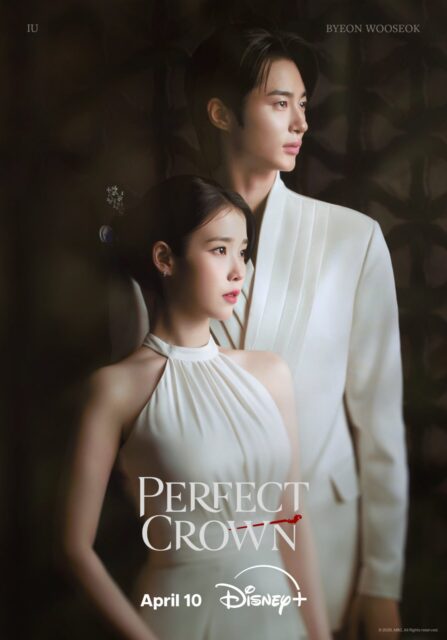
2. Perfect Crown: The Risk of Alternate Realities
Perfect Crown secured 12% of the vote, representing one of the year’s most significant "big-budget flops." Set in an alternate 21st-century South Korea where the country is governed by a constitutional monarchy, the drama follows a contract marriage between a powerful chaebol heiress and a sidelined, powerless prince.
The series suffered from what critics call "world-building overreach." While the production design and costumes were praised, the political intrigue was deemed overly convoluted and difficult to follow. Viewers also pointed out the similarities between Perfect Crown and previous "modern monarchy" dramas like The King: Eternal Monarch and Princess Hours, leading to accusations of unoriginality. Despite a massive marketing campaign and a star-studded cast, the drama failed to break the 5% viewership barrier, a disappointing result for a project with such a high price tag.

1. Boyfriend on Demand: A Narrative and Technical Misfit
By a staggering margin, Boyfriend on Demand was voted the worst K-Drama of 2026 so far, capturing 38% of the vote. The series follows a burnt-out webtoon producer who turns to a cutting-edge virtual reality (VR) dating app to escape the pressures of her professional life. Through the app, she engages in custom-tailored romances with AI-generated "perfect" partners.
The failure of Boyfriend on Demand is attributed to several factors. Firstly, the "Uncanny Valley" effect: the VR sequences, meant to be romantic and immersive, were often described by viewers as "creepy" and "unsettling." Secondly, the protagonist’s escapism was seen as alienating rather than relatable. In a year where AI ethics and the impact of technology on human connection are major global talking points, the drama’s superficial treatment of these themes was viewed as a missed opportunity. Critics argued that the show lacked a "moral compass," and the finale, which many felt failed to provide a satisfying resolution to the boundary between reality and simulation, sparked widespread derision on online forums.
Economic and Cultural Implications of Production Failures
The failure of these high-profile series has immediate economic consequences for the South Korean entertainment sector. For streaming platforms, "flops" result in lower subscriber acquisition and retention rates. For production houses, the lack of international licensing interest for poorly received shows can lead to significant financial deficits.

Market analysts from the Seoul-based Creative Content Agency (KOCCA) suggest that the 2026 mid-year results may lead to a "market correction." Production companies are expected to pivot away from high-concept "gimmick" dramas and return to character-driven narratives with tighter scripts. There is also a projected decrease in the number of webtoon adaptations, as studios realize that a popular digital comic does not always guarantee a successful television series.
Official Responses and Industry Sentiment
While official statements from networks regarding low ratings are rare, insiders within the industry have hinted at a shift in internal development strategies. A representative from a major production company, speaking on the condition of anonymity, stated, "We are seeing a clear signal from the audience. They are tired of the same tropes disguised in new technology or alternate settings. The focus for the latter half of 2026 must be on narrative integrity and emotional resonance."
The reaction from the creative community has been one of reflection. Scriptwriters have voiced concerns over "executive interference," claiming that many of the elements criticized in shows like Perfect Crown and Boyfriend on Demand—such as excessive PPL and forced plot twists—were mandated by sponsors and broadcasters rather than the creative team.
Looking Ahead: The Second Half of 2026
Despite the disappointments of the first half of the year, the K-Drama industry remains resilient. The upcoming slate for the third and fourth quarters of 2026 includes highly anticipated returns of veteran directors and writers who have historically delivered critical and commercial successes.
The "Worst of 2026" list serves as a vital feedback loop for the industry. It highlights the areas where the "K-Drama formula" is beginning to fray and underscores the necessity of evolution. As the year progresses, the focus will likely shift toward "quality over quantity," with a renewed emphasis on scripts that offer genuine insight into the human condition, rather than those that merely aim to trend on social media. For viewers, the hope remains that the lessons learned from the failures of the first half of the year will lead to a more robust and innovative television season in the months to come.
Related News