The Dual Nature of K-pop Fandom and the Rising Challenges of Artist Agency and Consumer Entitlement
Article Editorial Team
The global ascent of K-pop has been fueled by a symbiotic relationship between artists and their dedicated fanbases. These fans are known for their extraordinary mobilization, organizing elaborate fan projects, donating significant sums to charitable causes in their idols’ names, and providing the financial backbone for the industry through the purchase of albums and concert tickets. However, the year 2013 has highlighted a more volatile side of this relationship, where the boundaries between support and entitlement often blur, leading to harassment, privacy invasions, and a culture of enforced perfection that restricts the personal agency of performers.
The Digital Siege: Social Media Harassment and the Case of f(x)’s Krystal
In the digital age, social media has become the primary bridge between idols and fans. While it offers a platform for direct engagement, it also serves as a conduit for targeted harassment. A prominent example occurred earlier this year when Krystal Jung, a member of the girl group f(x), was forced to deactivate her Instagram account. The catalyst for this decision was a series of interactions with G-Dragon, the leader of Big Bang.
When G-Dragon "liked" several of Krystal’s photos, speculative dating rumors began to circulate within online communities. This triggered a wave of hostility from a segment of G-Dragon’s fanbase, who flooded Krystal’s account with malicious comments. Beyond verbal abuse, there were multiple documented attempts to hack her account, "kjungxox." The persistent cyberbullying and security breaches eventually led to the deletion of the account, illustrating how fan-driven narratives can dictate an artist’s digital presence and personal peace.
The "Only 13" Movement: Internal Dynamics and the Status of Super Junior-M
The internal composition of groups has also become a point of contention between management and fans. Super Junior, one of the industry’s most influential acts, has long grappled with the "Only 13" sentiment—a movement by fans who demand that the group remain limited to its original thirteen members. This ideology has created a difficult environment for Henry Lau and Zhou Mi, members of the sub-unit Super Junior-M.
The tension culminated in a formal statement by Eunhyuk, a core member of Super Junior, clarifying the status of Henry and Zhou Mi. The statement was issued in response to vocal demands from supporters of the "Only 13" movement, who sought to define clear boundaries between the main group and what they termed "guest members." Eunhyuk affirmed that while Henry and Zhou Mi are integral to Super Junior-M, they are not considered official members of the primary Super Junior lineup. This incident underscores the power dynamic where fan groups exert pressure on artists to publicly define their professional relationships, often at the expense of inclusivity and group cohesion.
The Apology for Normalcy: Jonghyun and the Constraints of Privacy
Perhaps the most telling example of the restrictive nature of K-pop stardom is the recent incident involving SHINee’s Jonghyun. After being spotted at a movie theater with a female acquaintance, Jonghyun felt compelled to issue a public apology on Twitter. Despite the interaction being a standard social outing between friends, the resulting online discourse forced the artist into a defensive posture.
In his statement, Jonghyun clarified that the individuals he was with were non-celebrity friends and expressed regret for any distress the sightings might have caused his fans. He stated, "Even though it’s not something I should be sorry about, I’m sorry." This paradox—apologizing for behavior that is inherently harmless—reveals a deep-seated industry expectation. Idols are often marketed as "ideal partners" for their fans, a strategy that drives commercial success but also creates a parasocial contract where any sign of a private life is viewed as a breach of trust.

Physical Safety and the Logistics of Airport Chaos
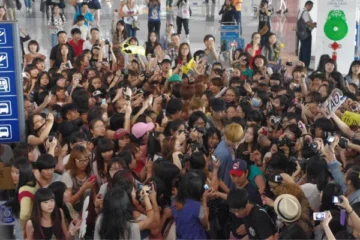
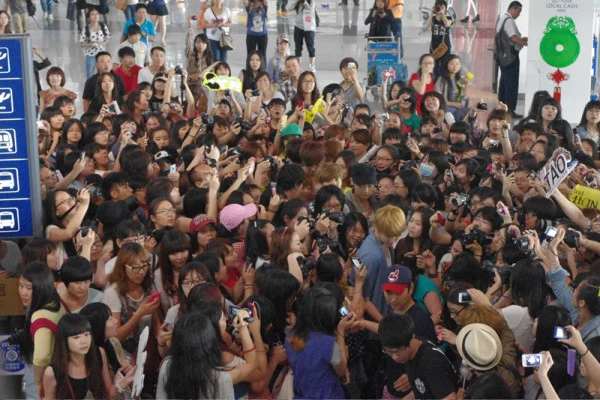
The intensity of K-pop fandom frequently spills over into physical spaces, most notably at international airports. As groups like EXO and SHINee travel for global tours, they are often met by hundreds of fans in confined spaces. These gatherings frequently devolve into stampedes, with fans pushing and trampling one another to get closer to the artists.
The lack of adequate security personnel and clear protocols for managing these crowds has led to numerous incidents where both fans and artists have fallen or sustained minor injuries. Despite these recurring safety risks, management companies have often been slow to implement more rigorous security measures, fearing that distancing artists from fans might damage the group’s "approachable" image. The silence of agencies regarding these incidents suggests a prioritization of fan access over the physical well-being of the performers.
The "Consumer is Always Right" Fallacy in Entertainment
The underlying cause of these issues can be traced back to the commercial structure of the K-pop industry. In most business models, the customer is prioritized; however, in the context of human performers, this philosophy becomes problematic. Because fans invest heavily—both financially and emotionally—in an idol’s career, a sense of ownership begins to develop.
Idols are often viewed not as autonomous individuals but as characters within a narrative curated for public consumption. Netizens and fans alike hold these performers to a standard of "perfection" that is both unattainable and hypocritical. While fans often condemn "netizens" for their harsh critiques, the demands for total transparency and behavioral control coming from fanbases often mirror the very toxicity they claim to oppose. The industry’s reluctance to reprimand inappropriate behavior stems from the fear of alienating the primary revenue source, effectively giving vocal minorities the power to dictate artist behavior.

Historical Context: The Evolution of Fan Behavior
The current state of fan entitlement is not a new phenomenon but an evolution of the "sasaeng" (stalker fan) culture that emerged in the late 1990s. During the first generation of K-pop, groups like H.O.T. and Shinhwa dealt with fans who would wait outside their dormitories for days. As the industry modernized, these behaviors shifted to the digital realm and international travel hubs.
What has changed in 2013 is the speed and scale at which these incidents occur. The ubiquity of smartphones and real-time social networking means that an idol’s every move can be broadcast to a global audience within seconds. This constant surveillance has heightened the pressure on artists to maintain their public persona at all times, leaving little room for a private life outside of the spotlight.
Implications for the Future of the Industry
The continued tolerance of toxic fan behavior poses a long-term risk to the sustainability of the K-pop industry. When artists are harassed off social media or forced to apologize for basic human interactions, it creates a high-stress environment that can lead to burnout and mental health struggles. Furthermore, the lack of boundaries at public venues like airports presents a liability that could eventually result in serious legal or physical consequences for the agencies involved.
For the industry to mature, there must be a collective shift in how fan interactions are managed. Analysts suggest that entertainment agencies need to take a more proactive stance in protecting their artists’ privacy and safety, even if it means occasionally challenging the demands of the fanbase. Setting clear boundaries—such as prohibiting the pursuit of artists during private time or implementing stricter security at airports—is essential for the professionalization of the field.

Conclusion: The Need for Collective Accountability
The issues facing K-pop today are not the fault of the entire fanbase, which remains largely supportive and positive. However, the actions of a vocal and intrusive minority have begun to define the public perception of the genre. The "blind negativity" and sense of entitlement that lead to the harassment of artists like Krystal or the public shaming of Jonghyun represent a systemic failure to distinguish between the product (the music and performance) and the person (the artist).
As K-pop continues to expand its global footprint, the responsibility falls on three main parties: the agencies must prioritize artist welfare over short-term fan appeasement; the artists must be empowered to assert their personal boundaries; and the fans themselves must hold their peers accountable for inappropriate behavior. Only through a balanced approach to the idol-fan relationship can the industry ensure a healthy environment for its performers and a sustainable future for its global community. The question remains whether the industry is willing to risk immediate profits to secure the long-term dignity and safety of its most valuable assets.
Related News