The Rise of Constructive Criticism and the Impact of Toxic Fan Culture in the Global K-pop Community
Article Editorial Team
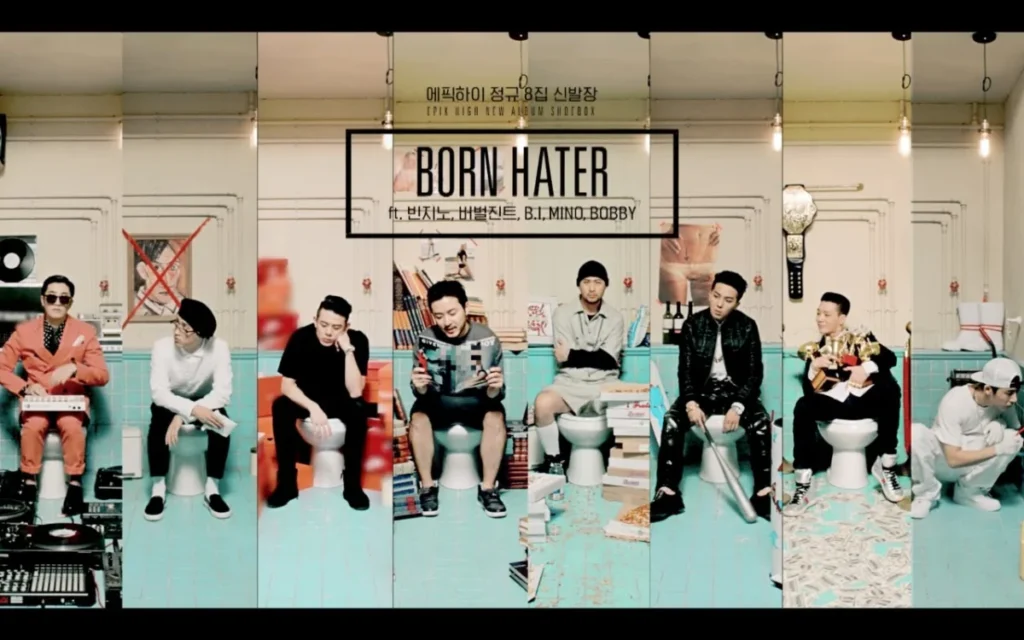
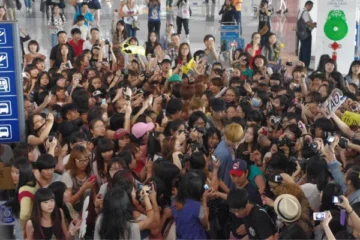
The global K-pop industry, a multi-billion-dollar juggernaut that has transcended national borders to become a dominant force in international pop culture, is driven by a level of fan engagement that is perhaps unparalleled in any other entertainment sector. While this intense devotion has fueled the record-breaking success of groups like BTS, BLACKPINK, and Stray Kids, it has also cultivated a digital environment where the line between passionate advocacy and malicious harassment is frequently blurred. As the Hallyu wave continues its expansion, the distinction between constructive criticism and "hating" has become a critical focal point for industry analysts, mental health advocates, and legal experts. The evolution of fan behavior from simple admiration to organized digital warfare necessitates a deeper understanding of how communication within the community impacts both the artists and the longevity of the industry itself.
The phenomenon of "hating" in the K-pop sphere is not a new development, but its scale and intensity have shifted dramatically with the advent of global social media platforms. In the early generations of K-pop, during the late 1990s and early 2000s, fan rivalries were often localized within South Korea, manifesting in physical confrontations or letters. However, the current landscape is defined by instantaneous, anonymous, and globalized communication. Platforms such as X (formerly Twitter), TikTok, and specialized fan apps like Weverse and Bubble have provided fans with direct lines of communication to idols, but they have also provided a megaphone for vitriol. Destructive "hating" is characterized by personal attacks, the spread of unverified rumors, and the use of derogatory language aimed at an idol’s appearance, character, or personal life, often under the guise of "opinion."
The Psychological and Social Framework of Fan Engagement
To understand the shift from constructive feedback to toxic behavior, it is necessary to examine the parasocial relationships that define K-pop. Agencies often market idols as accessible, "ideal" versions of friends or partners, which fosters a deep emotional investment from the fanbase. While this investment drives album sales and concert attendance, it also creates a sense of ownership among fans. When an idol fails to meet a fan’s specific expectations—whether through a performance error, a dating scandal, or a perceived personality flaw—this sense of ownership can transform into a sense of betrayal, leading to aggressive digital retaliation.
Industry experts distinguish between "anti-fans," who actively seek the downfall of a specific artist, and "stans," who may turn on their own favorites or attack rival groups to protect their "bias." Both groups frequently engage in "hating," a behavior that is fundamentally destructive. Unlike constructive criticism, which seeks to identify areas for improvement with the goal of supporting the artist’s growth, hating aims only to diminish and harm. The psychological impact on idols is profound; South Korea has seen a tragic series of events linked to the mental health struggles of celebrities facing relentless cyberbullying, which has led to calls for stricter legislation and more robust support systems within entertainment agencies.

A Chronology of Digital Toxicity and Legal Responses
The timeline of K-pop fan culture reveals a escalating pattern of digital harassment that has forced the industry to adapt.
In the mid-2000s, the rise of "anti-fan" cafes on portals like Daum and Naver marked the first organized efforts to systematically harass idols. One of the most notorious incidents involved a member of the group TVXQ! who was hospitalized after consuming a drink laced with superglue provided by an anti-fan. As the industry moved into the 2010s, the battleground shifted to social media. The "T-ara bullying scandal" of 2012 serves as a landmark case where unverified online rumors and "hater" narratives effectively derailed one of the most successful girl groups of the era, illustrating the real-world economic and professional consequences of toxic fan behavior.
By the late 2010s and early 2020s, the consequences of online hate became a matter of national concern in South Korea. Following the deaths of high-profile stars who had been targets of severe online harassment, major South Korean portals like Naver and Kakao disabled the comment sections on entertainment news articles to curb the spread of malicious comments. Simultaneously, the "Big Four" agencies—HYBE, SM Entertainment, JYP Entertainment, and YG Entertainment—began implementing regular legal updates, informing the public that they were filing criminal and civil lawsuits against "malicious commenters" for defamation and personal attacks.
Defining Constructive Criticism in a Professional Context
For the K-pop ecosystem to remain healthy, the community must transition toward a model of constructive criticism. Journalistic standards and professional fan engagement suggest five key pillars for maintaining a healthy discourse:
First, critiques must remain impersonal and focused on the work. If an idol’s vocal performance or acting ability is the subject of debate, the discussion should center on technical execution, such as pitch, emotive range, or delivery. Irrelevant comments regarding an idol’s physical appearance or private life are not only unprofessional but also invalidate the critic’s argument. In a professional newsroom or a mature fan community, the focus remains on the "output" rather than the "individual."

Second, criticism should be actionable and helpful. Simply stating that a song is "bad" or a performance is "lazy" provides no value. Constructive feedback identifies specific areas for improvement—such as choreography synchronization or song production quality—and offers a perspective on how these elements could be refined. This approach fosters a culture of growth rather than one of condemnation.
Third, maintaining perspective is essential. The K-pop industry is high-pressure and fast-paced, and idols are subject to grueling schedules. Isolated incidents or minor mistakes are often magnified by the "hater" community into career-ending scandals. A professional and objective view acknowledges that idols are human beings prone to error. Exaggerating small flaws into major character defects is a hallmark of toxic behavior that distorts the reality of the situation.
Fourth, there is an absolute line regarding safety and human rights. Death threats and wishes of physical harm are never justifiable under the umbrella of "opinion" or "criticism." In many jurisdictions, including South Korea and the United States, such comments are illegal and can lead to criminal prosecution. The normalization of extreme rhetoric in digital spaces is a systemic issue that agencies are now fighting with sophisticated monitoring software and legal teams.
Fifth, the concept of "being the bigger person" is a strategic necessity for fans. Engaging with haters often leads to "fanwars," which can damage the brand reputation of the idols involved. From a marketing perspective, a toxic fanbase can deter potential brand partners and mainstream collaborators. By refusing to engage in retaliatory negativity, fans protect the public image of their favorite artists and ensure that the discourse remains focused on the music and performance.
Data and Economic Implications of Fan Behavior
The economic stakes of fan behavior are significant. According to data from the Korea Creative Content Agency (KOCCA), the export value of K-pop has seen double-digit growth annually over the past decade. However, market analysts warn that "toxic brand association" is a growing risk. When a fandom becomes synonymous with harassment, it creates a "barrier to entry" for new, casual listeners who may be intimidated by the community’s volatility.

Furthermore, the "churn rate" of idols—the speed at which they burn out or leave the industry—is closely linked to the digital environment. Agencies now invest millions in "artist protection" departments. A 2022 industry report suggested that top-tier agencies spend upwards of $500,000 annually on legal fees and monitoring services specifically targeted at mitigating online hate. This is capital that could otherwise be invested in creative development, training, and production.
Official Responses and Industry Shifts
In recent years, the industry’s stance has shifted from passive endurance to active litigation. SM Entertainment launched the "KWANGYA 119" platform, a dedicated website where fans can report defamation and copyright infringement directly to the company’s legal team. HYBE has consistently released quarterly statements regarding their legal proceedings, emphasizing a "zero-tolerance" policy for malicious posts.
International fan organizations have also begun to self-regulate. Many "fanbases" (large, organized fan accounts) now include "conduct guidelines" for their followers, encouraging them to report and block haters rather than engaging in arguments. This shift toward "cleaner" fan culture is seen as a way to ensure the long-term sustainability of the genre on the global stage.
Broader Impact and Future Outlook
The struggle between constructive criticism and toxic "hating" in K-pop is a microcosm of the broader issues facing digital society. As social media continues to evolve, the K-pop community serves as a case study for how high-intensity engagement can be channeled into either massive positive social impact—such as BTS’s ARMY raising millions for charity—or devastating personal harm.
The future of the K-pop industry depends on its ability to foster a more mature and professional relationship between artists and fans. While the "idol" system will always rely on a degree of emotional connection, the sustainability of the business model requires a shift toward respecting the humanity of the performers. By adhering to principles of constructive feedback and rejecting the destructive nature of online hate, the K-pop community can ensure that it remains a source of entertainment and inspiration rather than a catalyst for toxicity. The ongoing efforts by agencies, legal bodies, and fans themselves to redefine these boundaries will likely determine the cultural and economic trajectory of the Korean Wave for the next decade.
Related News