Weverse Interaction Ignites Debate on Idol Body Image and Fan Etiquette as BTS’s V Faces Scrutiny Over Post-Military Physique Changes
Article Editorial Team
A recent interaction on the fan communication platform Weverse, involving Kim Taehyung, widely known as V from the global phenomenon BTS, has once again brought to the forefront the contentious issue of fan commentary on idols’ physical appearance. The exchange, which saw a fan remark on V’s current physique and express a preference for his more muscular build, has sparked a significant debate within the vast ARMY fandom and broader K-Pop community regarding appropriate boundaries in online interactions with public figures. While V’s response was characteristically lighthearted and graceful, the initial fan’s question itself ignited a firestorm of criticism, prompting fans to draw a definitive line on what constitutes respectful engagement versus unsolicited, potentially harmful, commentary.
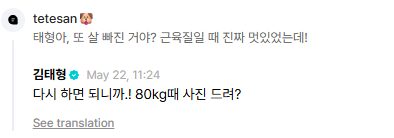
The incident unfolded when a fan posted a comment directed at V on Weverse, inquiring, "Taehyung, did you lose weight again? You looked so good when you were more muscular!" This seemingly innocuous observation quickly became a flashpoint. V, known for his calm demeanor and witty replies, chose to defuse the situation with a casual response. He stated, "I can always get back to it! Want me to send you a photo from when I was 80kg?" This reply, though an attempt to keep the interaction light and reassuring, inadvertently highlighted the underlying tension of such comments. The fan’s query, and the subsequent backlash it generated, underscored a persistent problem within celebrity culture: the public’s perceived right to comment on, and even dictate, an individual’s body image, particularly when that individual is an idol whose life is lived largely under public scrutiny.
V’s Journey: Military Service and Physical Transformation
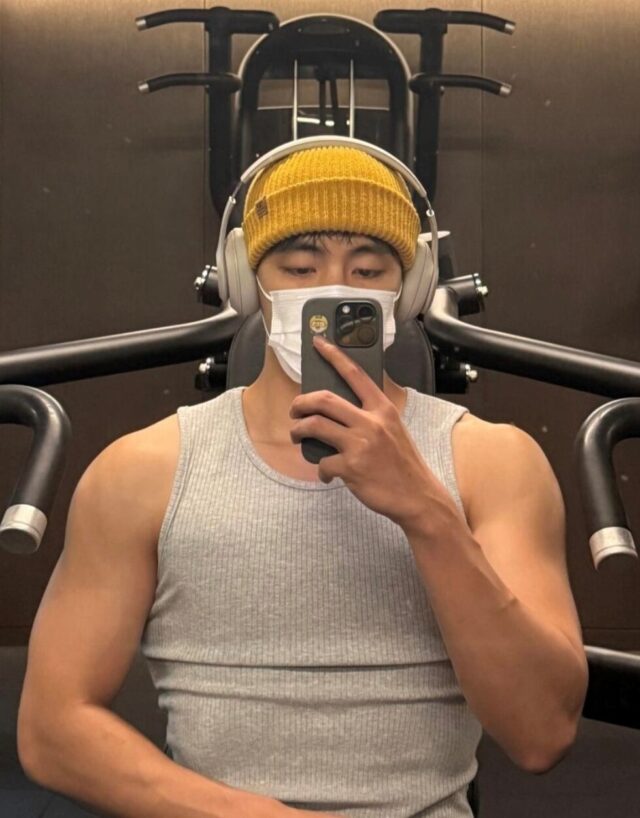
To fully comprehend the nuances of this interaction, it is essential to contextualize V’s recent journey. Like all able-bodied South Korean men, V commenced his mandatory military service, enlisting in December 2023. During this period, which is a significant rite of passage and a civic duty, many male idols undergo notable physical transformations. The rigorous training, structured lifestyle, and emphasis on physical conditioning often lead to an increase in muscle mass and overall physical development. V had openly shared snippets of his experience during his enlistment, notably revealing that he had dedicated himself to physical training, reportedly reaching a weight of approximately 86 kilograms. These updates were often met with admiration from fans, who celebrated his commitment and healthy lifestyle choices.
Upon completing his military service, V, along with other BTS members, began preparations for the group’s highly anticipated comeback performances. It was during this transition that V disclosed a deliberate decision to shed some of the weight and muscle mass he had gained. This was not an accidental occurrence but a conscious choice, likely influenced by the specific aesthetic and physical demands of stage performances, choreography, and concept requirements for their upcoming projects. The K-Pop industry is renowned for its meticulous attention to detail, and an idol’s physique is often tailored to specific artistic visions. Therefore, V’s weight loss was an intentional professional adjustment, not an indication of health issues or a lapse in self-care. He had publicly articulated his reasons for this change, making the fan’s comment, which implied a negative change or a preference for a past look, particularly insensitive to many within the fandom.
The Broader Context: Idol Physique and Industry Pressures
The K-Pop industry has long grappled with intense scrutiny regarding idols’ appearances. From debut, artists are often subjected to strict diets, rigorous fitness regimes, and constant evaluation of their visuals. This pressure stems from a blend of cultural expectations, media portrayal, and the commercial demands of the entertainment industry, where visual appeal is often deemed as critical as vocal or dance talent. Fans, too, play a complex role in this dynamic. While genuine concern for an idol’s health is often expressed, this can sometimes cross into unsolicited advice or critical commentary about their weight, body shape, or facial features.

This incident involving V is not an isolated one. Numerous K-Pop idols, both male and female, have publicly shared their struggles with body image issues, extreme dieting, and the mental toll of constant public judgment. The industry’s historical emphasis on a certain aesthetic, often lean and toned, perpetuates these pressures. For male idols, there has been a growing trend in recent years to showcase more muscular physiques, a shift that is sometimes celebrated but also contributes to new forms of body image expectations. When an idol consciously chooses to alter their body for professional reasons, as V did, and is then met with criticism or nostalgia for a previous look, it highlights the often-unrealistic expectations placed upon them. It also underscores a broader societal issue where individuals, particularly those in the public eye, are frequently judged based on their physical attributes rather than their talent or character.
Weverse: Bridging Gaps, Raising Concerns
Weverse, developed by HYBE Corporation, is a critical platform for direct communication between idols and their fans. It offers an unprecedented level of access, allowing fans to post comments, ask questions, and receive direct replies from their favorite artists. This direct channel fosters a deep sense of connection and community, which is a hallmark of K-Pop fandom. However, this accessibility also presents unique challenges. The sheer volume of messages, coupled with the varied interpretations of appropriate fan etiquette, can sometimes lead to interactions that are perceived as intrusive or disrespectful.
The incident with V exemplifies this double-edged sword. While Weverse aims to create a more intimate fan experience, it also exposes idols to a barrage of unfiltered comments, some of which can be emotionally taxing. Unlike curated social media posts, these direct interactions are more immediate and personal, making the impact of inappropriate comments more potent. The platform relies on a combination of self-regulation within the fandom, artist discretion in choosing which comments to engage with, and moderation efforts by the platform itself. However, the sheer scale of global fandoms makes comprehensive oversight a formidable task, leading to ongoing debates about setting and enforcing boundaries.
Fandom Reactions and the Call for Respect
Immediately following the Weverse exchange, the ARMY fandom erupted in a passionate defense of V. Social media platforms like X (formerly Twitter) were flooded with messages from fans expressing outrage and disappointment at the fan’s comment. Common sentiments included:
- "Here we go again, man these Weverse ARMYs never going to behave like sane person." (Source: @taekookv77)
- "Can’t they just leave him and have weight he feels comfortable with." (Source: @mul23469)
- "Why do they always have to talk about weight like… just leave that thing in big 2026." (Source: @taemahi7)
- "I need them to leave him alone istg." (Source: @0UTR0EG0)
These reactions illustrate a widespread sentiment among the fandom that idols, despite their public status, are entitled to personal autonomy over their bodies and should not be subjected to unsolicited comments or demands regarding their appearance. Many fans highlighted the hypocrisy of praising V for his discipline during military service, only to criticize him for making equally disciplined choices post-service for his professional comeback. The collective pushback underscored a growing awareness within K-Pop fandoms about the importance of promoting a culture of respect, empathy, and positive reinforcement, rather than criticism or body shaming. The debate swiftly shifted from V’s physique to the ethics of fan engagement, emphasizing the need for fans to reflect on the potential impact of their words.
The Psychological Impact on Idols

The psychological toll of constant scrutiny and commentary on appearance can be immense for idols. Despite projecting an image of resilience and confidence, many artists privately struggle with body image issues, anxiety, and depression stemming from public judgment. The pressure to maintain a certain image, coupled with demanding schedules and intense training, creates a high-stress environment. Incidents like the Weverse comment, while seemingly minor to an outsider, can accumulate and contribute to significant mental health challenges.
K-Pop agencies, including HYBE (parent company of Big Hit Music, BTS’s label), have increasingly recognized the importance of artist mental health. Many have implemented support systems, including counseling services and stricter policies against malicious comments and harassment. While V handled the situation with characteristic grace, the underlying issue of body shaming remains a serious concern that impacts not only his well-being but also that of countless other artists in the industry. The collective response from the fandom, condemning the comment, serves as a vital reminder that fostering a supportive and respectful environment is crucial for the mental well-being of these public figures.
Evolving Fan-Idol Dynamics and Future Implications
The incident involving V on Weverse is a microcosm of the evolving dynamics between K-Pop idols and their global fanbase. As platforms like Weverse become more ubiquitous, the lines between public and private, and between admiration and intrusion, blur. This necessitates an ongoing dialogue within fandoms and between agencies and their artists about establishing healthy boundaries.
The implications of this event are multi-faceted:
- Reinforcement of Fan Etiquette: It serves as a stark reminder for fans about the ethical responsibilities that come with direct access to idols. The overwhelming negative reaction to the comment reinforces the idea that unsolicited advice or criticism regarding an idol’s body is unacceptable.
- Agency Vigilance: While HYBE has been proactive in protecting its artists from malicious comments, incidents like this highlight the need for continuous vigilance and potential enhancements in platform moderation and fan education. Agencies may consider issuing clearer guidelines on fan interactions to prevent such occurrences.
- Promoting Body Positivity: The debate contributes to a broader conversation about body positivity and respect for individual autonomy within the K-Pop sphere. It encourages a shift from aesthetic perfectionism to celebrating idols for their talent, hard work, and personal choices.
- Influence on Media Coverage: Such events also shape how media covers idol-fan interactions, potentially leading to more critical examinations of fan culture and the pressures faced by celebrities.
In conclusion, V’s calm response to a fan’s comment on Weverse, far from ending the conversation, ignited a crucial discussion within the K-Pop community. It underscored the persistent challenges of body image scrutiny in the entertainment industry and the evolving responsibilities of fans in a world of direct digital communication. While the incident itself involved a seemingly minor interaction, its widespread impact and the ensuing debate highlight the significant need for greater empathy, respect, and healthier boundaries in the complex relationship between idols and their devoted followers. The global ARMY’s swift condemnation of the comment sends a clear message: an idol’s body is their own, and respect for their personal and professional choices must always supersede unsolicited opinions.
Related News