The Evolution of the Dwenjang-nyeo Decoding South Korea’s Bean Paste Girl Phenomenon and the Societal Conflict of Consumption
Article Editorial Team

The global ascent of the South Korean music industry reached a fever pitch in 2012 with the release of Psy’s "Gangnam Style," a viral sensation that served as much more than a catchy pop anthem. Beneath the flamboyant horse-dancing and vibrant visuals lay a biting social satire targeting a specific demographic within Seoul’s elite Gangnam district: the "dwenjang-nyeo," or "bean paste girl." While Western audiences largely engaged with the song as a comedic masterpiece, domestic observers recognized it as a pointed critique of a controversial cultural archetype that has permeated South Korean society for nearly two decades. The term refers to young women who allegedly live beyond their means, consuming luxury goods and Western lifestyle symbols while sacrificing basic necessities, such as nutritious meals, to afford them. This phenomenon is not merely a matter of fashion or personal preference; it is a complex intersection of rapid economic history, gender politics, and the psychological pressures of a society caught between traditional frugality and modern hyper-consumerism.
The Linguistic and Culinary Roots of a Derogatory Archetype
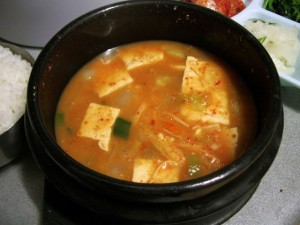
The term "dwenjang-nyeo" finds its origin in one of South Korea’s most humble and ubiquitous culinary staples: dwenjang (fermented soybean paste). For centuries, dwenjang jjigae (bean paste stew) has represented the bedrock of the Korean diet. It is a hearty, inexpensive, and deeply traditional dish often associated with home cooking and rural simplicity. A bowl of this stew in a modest restaurant typically costs between 3,500 and 5,000 Korean Won (approximately $3.00 to $4.50 USD), making it one of the most affordable meal options available in urban centers like Seoul.
The juxtaposition of this "cheap" traditional food with "expensive" Western luxury is where the "bean paste girl" label derives its sting. The archetype describes a woman who opts for a 4,000-won bowl of dwenjang jjigae for lunch—or perhaps skips a proper meal entirely—specifically so she can afford a 6,500-won Starbucks Frappuccino or a designer handbag worth thousands of dollars. In the eyes of critics, the "bean paste girl" is a personification of vanity and misplaced priorities, valuing the external projection of wealth over internal sustenance or financial stability.
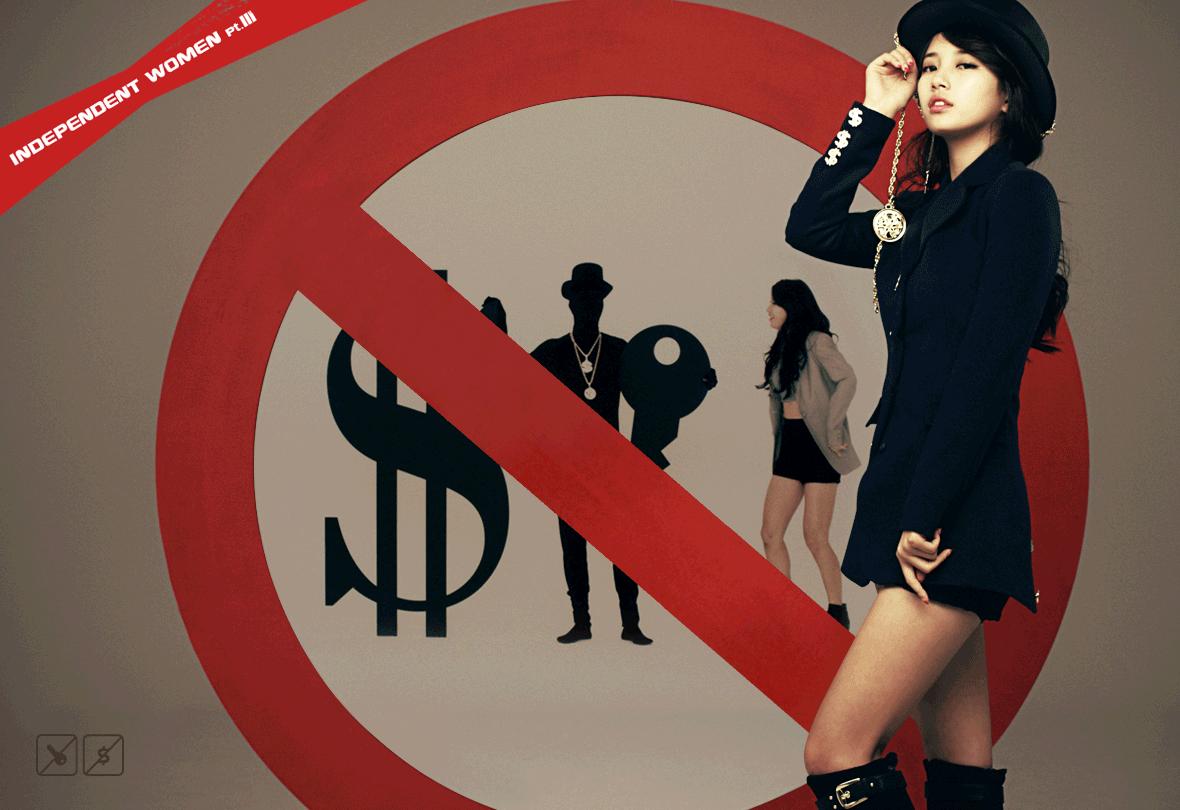
However, the definition of the term remains fluid and varies depending on the observer. To some, she is a "wannabe" socialite who mooches off her parents or romantic partners to maintain a facade of affluence. To others, she is a victim of Western cultural imperialism, obsessed with brand names like Louis Vuitton or Chanel to the point of self-impoverishment. Conversely, a minority of feminist scholars have attempted to reclaim the term, suggesting the "dwenjang-nyeo" is actually a financially independent woman who chooses to spend her hard-earned salary on high-quality goods rather than adhering to traditional expectations of female modesty and domestic saving.
A Chronology of Economic Transformation: From Poverty to Prestige
To understand why the "bean paste girl" became such a potent object of derision, one must examine the compressed timeline of South Korea’s economic development. Following the devastation of the Korean War (1950–1953), South Korea was one of the poorest nations on Earth, at one point receiving financial aid from nations such as Ethiopia. For decades, the country lagged behind North Korea in industrial output and quality of life.
The 1960s marked the beginning of the "Miracle on the Han River" under the authoritarian leadership of Park Chung-hee. Park’s regime prioritized export-led growth and nationalistic frugality. During this era, the term kwasobi (excessive spending) was treated as a moral failing and a betrayal of the national interest. Government campaigns actively discouraged the purchase of imported luxury goods, and citizens were exhorted to save every won to fuel the nation’s industrial machine. This culture of austerity remained the dominant social contract for over thirty years.
The 1990s represented a tectonic shift. As South Korea joined the ranks of developed nations and eventually entered the OECD, the "frugality first" mindset began to erode. The younger generation, born into relative prosperity, did not share their parents’ trauma of wartime poverty. The 1997 Asian Financial Crisis (the "IMF Crisis") briefly checked this trend, but the subsequent recovery led to an explosion in credit card usage and a burgeoning desire for status symbols. By the mid-2000s, the "bean paste girl" emerged as a linguistic weapon used by those who felt the nation was losing its traditional values to a shallow, brand-obsessed modernity.
Supporting Data: The South Korean Luxury Market
The vitriol directed at the "dwenjang-nyeo" is grounded in the reality of South Korea’s status as a global powerhouse of luxury consumption. Data from market research firms like Morgan Stanley indicates that South Koreans are now the world’s biggest spenders on personal luxury goods per capita. In 2022, South Korean spending on luxury items rose 24% year-on-year to $16.8 billion, or about $325 per person—significantly higher than the $280 spent per capita in the United States and $55 in China.
This high level of consumption is driven by a unique social phenomenon where luxury goods are indexed as essential markers of social standing. In a hyper-competitive society where educational background and professional titles are paramount, physical appearance and accessories serve as a "visual resume." For many young women, owning a designer bag is not an act of frivolous vanity but a perceived requirement for social acceptance and professional networking. This environment creates a "Veblen effect," where the demand for an item increases as its price increases because it serves as a more exclusive status symbol.
The Gendered Double Standard: Where is the Bean Paste Boy?
A critical analysis of the "dwenjang-nyeo" phenomenon reveals a glaring gender disparity. While women are frequently vilified for their spending habits, there is no equivalent "bean paste boy" (dwenjang-nam) that carries the same weight of social stigma. Men in South Korea also engage in conspicuous consumption, often spending disproportionate amounts on imported cars, high-end electronics, or expensive golf memberships. However, these expenditures are rarely framed as a moral failing in the same way a woman’s purchase of a luxury handbag or a premium coffee is.
Sociologists argue that the "bean paste girl" trope is a byproduct of South Korea’s persistent gender inequality. According to the World Economic Forum’s Global Gender Gap Report, South Korea consistently ranks low among developed nations in terms of economic participation and opportunity for women. The vilification of the "dwenjang-nyeo" can be seen as a form of social policing—an attempt to shame women who assert their economic agency or who challenge traditional patriarchal norms of "the virtuous wife and wise mother" who manages the household budget with extreme care.

Official Responses and Cultural Impact
While there has been no official government policy targeting "bean paste girls," the sentiment has influenced public discourse and media representation for years. K-dramas frequently utilize the "dwenjang-nyeo" trope as a character flaw for antagonists, portraying them as shallow and materialistic compared to the "hard-working, humble" heroine.
The impact of this cultural branding has led to a defensive shift in consumer behavior. Some young women now practice "stealth wealth" or "shibal biyong" (stress-spending)—a term used to describe small, luxury purchases made to cope with the high stress of work and life. The "bean paste girl" label has effectively forced a generation of women to navigate a precarious path: they must look the part of a successful, modern professional to be respected, but they risk social ostracization if they are perceived as trying "too hard" or spending "too much" to achieve that look.
Implications for the Future of Korean Society
The "dwenjang-nyeo" phenomenon is a window into the soul of modern South Korea—a nation that has moved from rags to riches in a single lifetime. The tension between the humble dwenjang and the expensive Starbucks latte reflects a broader struggle to define what it means to be Korean in a globalized world.
As the country faces new challenges, such as a shrinking workforce and extreme housing costs, the focus of social criticism is beginning to shift. Younger generations are now embracing "N-po" (giving up on marriage, children, and home ownership), leading to a different kind of consumption focused on immediate gratification rather than long-term saving. Whether the "bean paste girl" remains a relevant archetype or fades into the annals of 2010s pop culture, the underlying issues of class anxiety, gender bias, and the search for identity through consumption will likely continue to shape South Korea’s social landscape for decades to come. The "Gangnam Style" era may have passed, but the satirical questions it raised about who we pretend to be—and what we are willing to sacrifice for that image—remain as relevant as ever.
Related News