Reflecting on 2014 and the Outlook for 2015: Analyzing the Evolution of the K-Pop Industry and Fan Expectations
Article Editorial Team

The South Korean music industry, known globally as K-pop, stands at a significant crossroads as the transition from 2014 to 2015 begins. Following a year characterized by unprecedented legal disputes, tragic accidents, and high-profile group departures, the industry is undergoing a period of intense self-reflection. Analysts and stakeholders are now looking toward 2015 not merely as a new calendar year, but as a pivotal moment for structural reform, artistic diversification, and the maturation of global fandom culture. The events of the past twelve months have dismantled the "perfect" facade of the idol industry, giving way to a more transparent, albeit complex, reality that will define the trajectory of Hallyu (the Korean Wave) in the coming years.

The Push for Individual Artistry and Solo Diversification
One of the most prominent trends emerging as the industry enters 2015 is the demand for solo ventures from established group members. While group-centric activities remain the financial backbone of major labels like YG, SM, and JYP Entertainment, there is an increasing recognition of the need for individual branding. A focal point of this discussion is Gong Min-ji, known as Minzy, the youngest member of the powerhouse group 2NE1.
While her groupmate CL has been positioned for a major solo debut in the United States under the guidance of Scooter Braun, industry observers note that Minzy remains an underutilized asset. Despite her reputation as one of the premier dancers and vocalists in the industry, she has yet to release a solo project. This stands in contrast to the management strategy of fellow YG act BIGBANG, where members like G-Dragon, Taeyang, and Seungri have successfully established independent musical identities. For 2015, market analysts suggest that labels must provide more "home-grown" opportunities for underrated members to explore genres such as R&B, hip-hop, and ballads. This strategy not only satisfies fan demand but also serves as a risk-mitigation tool; if a group becomes inactive due to scandals or military enlistment, solo artists can maintain the label’s revenue streams and public relevance.

Legal Turbulence and the Deconstruction of the "Slave Contract"
The year 2014 has been described by many South Korean media outlets as a "Black Year" for K-pop, primarily due to a series of high-profile lawsuits that exposed the internal friction between artists and management. The industry was rocked by the departures of Kris (Wu Yifan) and Luhan from the global sensation EXO, both of whom filed suits against SM Entertainment to terminate their contracts, citing health issues and unfair profit distribution.
This was followed by a collective lawsuit from the group B.A.P against TS Entertainment in November 2014. The group alleged that despite generating millions of dollars in revenue over three years, they received a disproportionately small fraction of the earnings. These legal battles have brought the "slave contract"—a term used to describe long-term, iron-clad agreements with minimal personal freedom—back into the public consciousness.

As the industry moves into 2015, the broader implication of these lawsuits is a shift in the power dynamic. Agencies are now under increased pressure from both the public and regulatory bodies to ensure transparency in accounting and to respect the physical and mental well-being of their performers. The resolution of these cases in the coming year will likely set new legal precedents for how contracts are structured in the entertainment sector.
Media Evolution: The Rise of Intellectual and International Variety Shows
Beyond the music, the landscape of South Korean television has shifted toward more diverse and inclusive formats. The success of programs like JTBC’s Abnormal Summit (Bichesam Hoe-ui) in late 2014 signals a change in what the Korean public finds engaging. Unlike traditional variety shows that rely on slapstick humor or idol guest appearances, Abnormal Summit features a panel of non-Korean men debating serious social, political, and cultural issues in fluent Korean.

The popularity of this format suggests that the domestic audience is becoming more interested in global perspectives. However, the show has not been without controversy, including criticism regarding the stereotypical portrayal of certain ethnicities and the accidental use of the Japanese imperial anthem. For 2015, the challenge for broadcasters will be to refine these international formats to be more culturally sensitive while maintaining the honest, debate-driven content that has proven so successful. This trend reflects a broader societal move toward "internationalism" within South Korea, driven in part by the global reach of K-pop itself.
Industrial Responsibility and the Urgent Need for Road Safety Reform
The tragic deaths of EunB and RiSe of the girl group Ladies’ Code in September 2014 following a high-speed car accident served as a grim wake-up call for the industry. The incident highlighted the hazardous conditions under which many idols and their staff operate, often traveling at excessive speeds between provincial festivals and Seoul to meet grueling schedules.

In the aftermath, figures such as singer Bumkey and various industry critics have called for a fundamental change in how schedules are managed. The Korea Entertainment Management Association (CEMA) has faced calls to implement stricter safety protocols and to discourage agencies from overbooking their artists. As 2015 begins, the safety of performers on the road remains a top priority. The industry’s ability to prioritize human life over profit-driven "event-hopping" will be a key metric of its maturity and ethical progress.
The Evolution of Fan Culture: From Obsession to Maturity
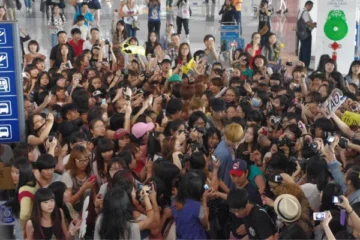
As K-pop continues its global expansion, the behavior of its fandoms is undergoing a necessary transformation. The year 2014 saw several "dating scandals" involving members of Girls’ Generation and EXO, which were met with varying degrees of hostility from fans. The prevalence of sasaeng fans (extreme fans who engage in stalking and privacy invasion) remains a significant threat to the safety and mental health of idols.

However, there is a growing movement within the international and domestic fanbases calling for "fan maturity." This involves respecting the private lives of artists and acknowledging their right to date or live independently of their idol persona. Furthermore, the global nature of the audience means that fans are now holding idols accountable for cultural insensitivity, such as the use of blackface or the appropriation of religious symbols. In 2015, the relationship between idols and fans is expected to become more professional and reciprocal. Labels are increasingly recognizing that a mature, respectful fan base is more sustainable and less prone to the volatile cycles of "love-to-hate" that characterize anti-fan culture.
Strategic Realignment: Amicable Departures vs. Group Dissolution
The reorganization of groups like MBLAQ, following the departures of Lee Joon and Thunder, provides a template for how groups might handle member exits in 2015. Unlike the acrimonious splits seen in other groups, the MBLAQ transition was presented as a natural evolution of the members’ career paths. This "amicable departure" model is essential for preserving the brand equity of the group while allowing individuals to pursue acting or solo music careers.

The "seven-year itch"—the point at which many idol contracts expire—will affect several major groups in 2015. Labels will need to navigate these negotiations with greater care than in the past, focusing on long-term retention rather than short-term exploitation. The goal is to avoid the "shattered heart" syndrome among fans, which can lead to a permanent loss of interest in the genre.
Conclusion: Projecting the K-Pop Landscape for 2015
The K-pop industry enters 2015 with a heavy burden of lessons learned from a tumultuous year. The primary focus will be on stability and ethical reform. The industry’s growth is no longer just about flashy music videos and synchronized choreography; it is about the sustainability of its human capital.

The anticipated trends for 2015 include a surge in high-quality solo debuts, a more cautious approach to international touring schedules to ensure safety, and a more transparent dialogue between agencies and the public. If the industry can successfully address the "darker corners" exposed in 2014—specifically regarding legal fairness and physical safety—it will emerge stronger and more resilient. The year ahead offers a chance for the K-pop industry to prove that it can evolve from a manufactured phenomenon into a sophisticated, globally responsible entertainment powerhouse. Fans and analysts alike remain hopeful that 2015 will be a year of achievement, characterized by genuine joy and creative excellence, rather than the scandals and tragedies of the recent past.
Related News