A Quick Guide to Being Part of the K-pop Fandom
Article Editorial Team
The Hierarchical Architecture of K-pop Fandoms
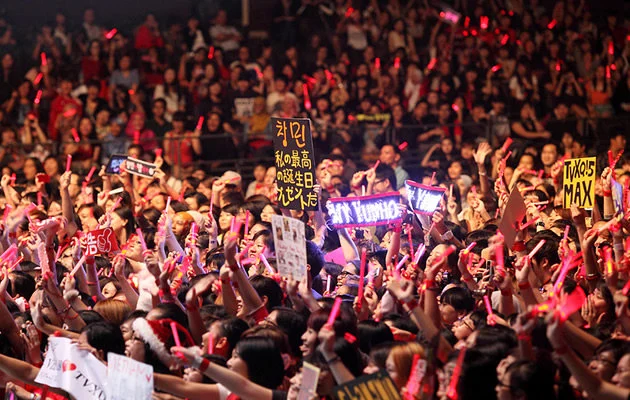
Unlike many Western music scenes where fans are generally categorized by their affinity for an artist, K-pop utilizes a granular division system that dictates social interaction within the community. At the broadest level exists the general K-pop fan—an individual who consumes the music and culture of the industry as a whole. However, as engagement deepens, fans typically gravitate toward specific groups, adopting collective identities such as "ARMY" for BTS, "BLINK" for BLACKPINK, or "Shawol" for SHINee.
The complexity intensifies with the concept of the "bias," a term referring to a fan’s favorite individual member within a group. This leads to the formation of sub-fandoms or "solo stans." For instance, a fan of the group SHINee identifies as a Shawol, but if their primary focus is the member Taemin, they may also identify as a "Taemint." While these layers of identity provide a sense of belonging, they also create fertile ground for internal friction. Journalistic analysis of these communities often highlights "solo stans" (who support one member) versus "all-stans" (who support the entire group), a distinction that frequently sparks debate regarding the distribution of lines in songs, screen time in music videos, and solo promotional opportunities.
Historical Evolution: From Local Fan Clubs to Global Digital Empires
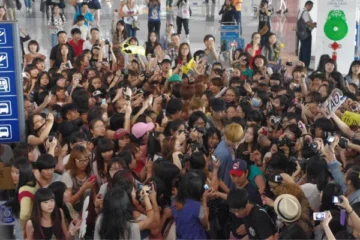
The history of K-pop fandom can be traced back to the "First Generation" of idols in the late 1990s, characterized by groups like H.O.T. and Sechs Kies. During this era, fandom was a largely domestic South Korean phenomenon. Physicality was central to the experience; fans wore specific raincoat colors to identify their allegiance and gathered in person to support their idols at music broadcasts. This era established the foundational "fandom colors" and "fan chants" that remain integral to the culture today.
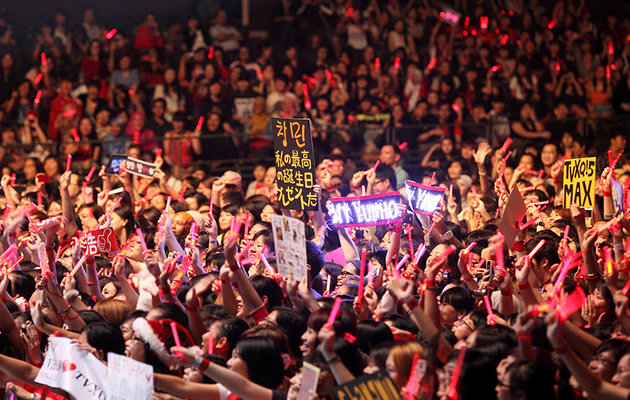
The "Second Generation" (mid-2000s to early 2010s) saw the rise of groups like Girls’ Generation, BIGBANG, and Super Junior, marking the beginning of the international spread. This period transitioned the fandom experience into the digital realm, utilizing platforms like Daum Fan Cafés and early social media. The "Third" and "Fourth" generations (2012–present) have fully institutionalized the global fandom. The rise of BTS and the subsequent Western breakthrough shifted the center of gravity from South Korean fan cafés to global platforms like Twitter (now X), TikTok, and specialized agency-led apps such as Weverse and Bubble.
Institutionalized Participation: Official Fan Cafés and Membership Benefits
For a fan to achieve "official" status, they must navigate the rigorous requirements of the official fan café (fancafe). Traditionally hosted on the South Korean portal Daum, these cafés serve as the primary bridge between the management agency and the consumer. Joining often requires a basic understanding of the Korean language, as fans must answer trivia questions about the artist and provide proof of music purchases to "level up" within the digital community.
Membership in an official fan club offers tangible benefits, including:
- Early Access: Priority ticketing for concerts and fan meetings.
- Exclusive Content: Access to photos, videos, and messages from the idols that are not shared on public social media.
- Broadcasting Entry: The ability to apply for seats in the live audience of weekly music shows like M! Countdown or Inkigayo.
- Merchandise: Exclusive "Membership Kits" containing limited-edition photobooks, cards, and apparel.
For international fans, the "official" route was historically difficult due to the need for a Korean social security number or a local phone number. However, the emergence of the Weverse platform by HYBE (formerly Big Hit Entertainment) has revolutionized this, allowing fans worldwide to purchase official memberships with ease, thereby democratizing the "official" fan experience.

The Rise of International Fan Groups and Digital Contribution
Outside the formal agency-led structures, international fans have built a robust ecosystem of "unofficial" but highly influential organizations. These groups often act as the primary translators and distributors of K-pop content for non-Korean speakers. Before agencies provided English subtitles as a standard, "subbing teams" would spend hours translating variety show appearances and interviews, effectively acting as unpaid marketing arms for the labels.
Digital contribution has become the primary currency of the international fan. This includes:
- Fan Fiction and Art: Creative works that expand the lore of the group.
- Streaming Parties: Organized efforts to boost a song’s ranking on global charts like Spotify and Billboard.
- Translation Accounts: Twitter accounts dedicated to translating an idol’s social media posts in real-time.
- Edit Culture: High-quality video and photo editing that keeps the artist trending on visual-centric platforms like TikTok and Instagram.
Economic Impact and Philanthropy: The Power of Collective Action
K-pop fandoms are noted for their significant economic and social influence. One unique aspect of the culture is the "Rice Wreath" tradition. Instead of sending flowers to a concert venue, fans donate large stacks of rice bags, which are displayed with supportive banners and later donated to charities in the artist’s name. This practice has evolved into large-scale philanthropic efforts. For example, during the Black Lives Matter movement in 2020, BTS fans (ARMY) successfully matched the group’s $1 million donation within 24 hours.
Economically, fans operate as a coordinated consumer bloc. They do not merely buy music; they invest in the artist’s brand. This is evident in the "sold-out" phenomenon, where products endorsed by or even incidentally used by idols—from luxury fashion to laundry detergent—sell out globally within minutes of being identified by the fandom.

Data and Trends: The Scale of Modern Fandom
Recent industry data underscores the massive scale of these communities. According to reports from Twitter Data, there are billions of K-pop-related tweets annually, with countries like Indonesia, the Philippines, South Korea, and the United States leading the conversation. On YouTube, K-pop music videos frequently break records for the most views within a 24-hour period, a feat achieved through the coordinated "mass streaming" efforts of global fandoms.
Furthermore, the "Album Export" data from the Korea Customs Service indicates that K-pop physical album sales reached a record high of over $290 million in 2023, despite the global music industry’s shift toward digital streaming. This is attributed to the "collectible" nature of K-pop albums, which include randomized photocards, posters, and high-quality packaging designed specifically to appeal to the "super-fan" demographic.
Official Industry Responses and Strategy
Entertainment agencies have shifted their perspective on fandoms, moving from viewing them as mere listeners to treating them as "partners in brand building." Agencies like SM Entertainment and JYP Entertainment now employ dedicated "Fandom Management" teams. These teams are responsible for monitoring fan sentiment, managing official communities, and occasionally addressing "fan wars" or controversies.
In official statements, agencies often emphasize the "symbiotic relationship" between the artist and the fan. However, this relationship is not without its tensions. The industry has faced criticism for "over-commercializing" the fan experience, particularly through the use of randomized collectibles that encourage fans to buy dozens of copies of the same album to "complete" a set of photocards.

Challenges: Fandom Politics and the "Sasaeng" Phenomenon
While fandoms provide community and support, they also possess a darker side. "Fan wars"—intense online arguments between different fandoms over awards, charts, or perceived slights—can become toxic, leading to cyberbullying and coordinated "dislike" campaigns.
More concerning is the "sasaeng" phenomenon. Sasaeng fans are obsessive individuals who engage in stalking behavior, such as following idols to their private residences, hacking their phones, or trailing them in taxis. Agencies have increasingly taken a "zero tolerance" policy toward sasaengs, publishing blacklists and pursuing legal action to protect the safety and privacy of their artists.
Broader Impact and Implications for the Global Music Industry
The K-pop fandom model is currently being studied and emulated by Western artists and marketers. The "community-first" approach, where the artist provides constant engagement and a sense of intimacy, has proven to be a more resilient business model than traditional celebrity-consumer relationships.
As K-pop continues to integrate with the global mainstream, the lines between "fan" and "activist" or "consumer" and "marketer" will continue to blur. The K-pop fandom represents a new era of digital sociology, where collective identity is forged through shared culture, language barriers are bridged by technology, and the power of the crowd can shift global charts and social movements alike. Ultimately, being a fan in the K-pop world is less about the music and more about the participation in a vibrant, complex, and ever-evolving global community.
Related News