Former Comedian Gong Ki Tak Reinvents Himself as a Champion Professional Poker Player After 13-Year Hiatus Following Gambling Scandal
Article Editorial Team
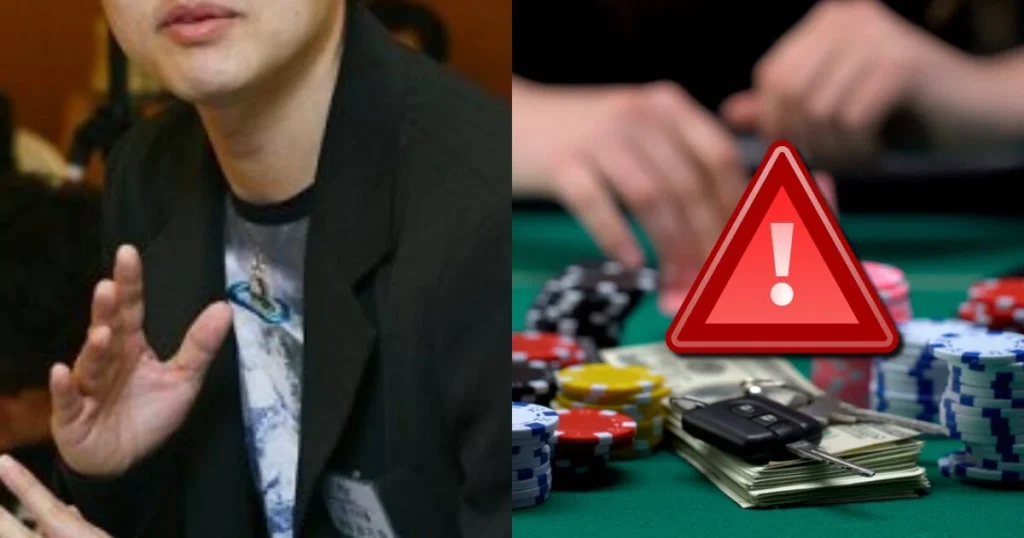
Once a celebrated figure in South Korean entertainment, Gong Ki Tak, whose career was abruptly halted by a high-profile illegal gambling scandal in 2013, has remarkably re-emerged into the public sphere not as an entertainer, but as a distinguished professional poker player. This unexpected transformation marks a significant personal journey of rehabilitation and a nuanced re-entry into public life, highlighting the evolving perceptions of skill-based card games versus traditional gambling within Korean society. His recent reappearance on comedian Kim Sook’s YouTube channel served as the platform for this revelation, surprising many and sparking conversations about second chances and the complex definitions of professional pursuits.
The Meteoric Rise and Precipitous Fall of a Comedic Star
Gong Ki Tak first burst onto the entertainment scene in 1995, quickly establishing himself as a rising star within the competitive landscape of Korean comedy. A proud alumnus of the 12th class of KBS’s open audition comedians, his talent was undeniable from the outset. He made a flashy debut, achieving the coveted Grand Prize at the prestigious KBS College Comedy Festival, a springboard that officially recruited him into the national broadcaster’s ranks. For nearly two decades, Gong enjoyed a successful career, beloved by audiences for his wit and comedic timing, contributing to the vibrant tapestry of Korean variety shows and comedic programs.
However, this promising trajectory came to a grinding halt in 2013 when Gong Ki Tak became one of several prominent celebrities embroiled in a massive illegal private sports betting scandal. The incident sent shockwaves throughout the entertainment industry and wider society, drawing intense scrutiny from media and law enforcement. The crackdown implicated a host of well-known personalities, including popular figures like Lee Soo Geun, Tak Jae Hoon, and Tony Ahn. Yet, among those caught in the scandal, Gong Ki Tak’s public image suffered arguably the most severe blow. Investigations revealed that he had wagered an astonishing 1.79 billion KRW (approximately 1.3 million USD at current exchange rates), an amount significantly higher than that of his celebrity counterparts, marking the largest sum recorded in the entire probe.
The Aftermath: Legal Repercussions and Industry Blacklisting
The legal consequences for Gong Ki Tak were swift and severe. He was sentenced to six months in prison, suspended for one year of probation, reflecting the seriousness with which illegal gambling offenses are treated in South Korea. Beyond the judicial sentence, the entertainment industry itself imposed its own stringent penalties. Gong was effectively ousted from the public eye, placed on a "blacklist" that barred him from appearing on terrestrial television channels. This industry-wide ban, a common punitive measure for celebrities involved in moral or legal controversies, effectively renders an individual unemployable in mainstream media, leading to a profound professional exile. For a public figure whose livelihood depended entirely on visibility, this was a career-ending judgment, forcing him into an involuntary hiatus that would span over a decade.
The strict stance against gambling in South Korea is deeply rooted in cultural values and legal frameworks designed to protect public morality and prevent social harm. While certain forms of gambling, such as lotteries, horse racing, and casino resorts (primarily for foreigners), are legal under strict government control, any form of private, unregulated, or online gambling is illegal and carries significant penalties. For public figures, the expectations are even higher. Celebrities are often seen as role models, and involvement in illegal activities, particularly those deemed morally reprehensible like gambling, can lead to irreversible damage to their careers and public perception. The collective outrage and the severe industry response to the 2013 scandal underscored this societal expectation, demonstrating the entertainment sector’s self-regulatory mechanisms to maintain public trust.

A Glimmer of Re-emergence: The YouTube Reunion
After 13 years spent entirely out of the public eye, navigating a life far removed from the glare of television cameras, Gong Ki Tak made his first tentative step back into public visibility. This unexpected return occurred not on a major broadcast network, but on the more accessible and less formal platform of YouTube. He appeared in a video on the channel of fellow comedian Kim Sook, marking a poignant reunion with his KBS comedian contemporaries, including Hong Seok Cheon and Lee Jang Sook. The gathering was a nostalgic look back at their shared past, offering a glimpse into the lives of these entertainers, some of whom had also faced their own challenges in the industry.
During this candid reunion, the conversation naturally turned to Gong Ki Tak’s whereabouts and what he had been doing during his prolonged absence. It was Lee Jang Sook who first broached the topic of Gong’s current occupation, revealing that he had become a "gambler" after trying various other jobs. This description, however, prompted an immediate and firm clarification from Gong Ki Tak himself. With a notable sense of pride and a clear distinction in his voice, he interjected, stating unequivocally, "I’m not a gambler, I am a professional poker player." He went on to emphasize the legitimacy of his new profession, proudly proclaiming that he is among the very few individuals in Korea officially registered in their profiles as "professional poker players." This statement was not merely a semantic correction; it was a deliberate assertion of a new identity and a challenge to the prevailing societal stigma associated with his past.
The Nuance of "Gambler" vs. "Professional Poker Player"
Gong Ki Tak’s insistence on the distinction between a "gambler" and a "professional poker player" is crucial to understanding his journey and the evolving landscape of mind sports. In South Korea, as in many parts of the world, "gambling" often conjures images of addiction, financial ruin, and illegal activities. The 2013 scandal was precisely rooted in this negative connotation, where the private sports betting was illegal and unregulated. Poker, particularly variants like Texas Hold’em, has traditionally been lumped under the umbrella of gambling dueating to its association with casinos and wagering.

However, in recent decades, there has been a global movement to recognize poker, especially tournament play, as a "mind sport" – a game requiring significant skill, strategy, psychological prowess, mathematical understanding, and emotional control, rather than pure chance. Organizations like the International Mind Sports Association (IMSA) have even included poker as a legitimate mind sport, alongside chess, bridge, and go. Professional poker players often train rigorously, analyze probabilities, study opponents, and participate in highly structured, regulated tournaments with prize pools, distinguishing their pursuit from casual or illicit betting.
Gong Ki Tak’s declaration signals his alignment with this international recognition. He explained that he has dedicated all his efforts to mastering Hold’em, a popular variant of poker, and has successfully competed in and won championship trophies at various international tournaments. This commitment transforms the perception of his activity from reckless betting to a disciplined, competitive profession. His registration as an "official professional poker player" in Korea further solidifies this distinction, implying a legal and perhaps governmental acknowledgment of poker as a legitimate skill-based pursuit, separate from illegal gambling activities. This move also reflects a broader shift in how games of skill, even those involving stakes, are being categorized and regulated in some jurisdictions.
A New Career Path: Triumphs in International Tournaments
Gong Ki Tak’s journey from a disgraced comedian to a respected professional poker player is underscored by his tangible achievements in the competitive circuit. His dedication to mastering Hold’em has evidently paid off. He revealed that he has not only participated but also secured championship trophies at various international tournaments. While specific tournament names or prize amounts were not detailed in his initial public statement, the fact of his victories validates his claim of being a professional and not merely a casual player.

The world of professional poker tournaments is a rigorous and highly competitive environment. Players travel globally to participate in events like the World Series of Poker (WSOP), European Poker Tour (EPT), and countless regional championships, vying for significant prize money and prestigious titles. Success in these tournaments demands not only innate talent but also years of practice, continuous learning, and an unwavering mental fortitude. Gong Ki Tak’s ability to transition into this demanding field and achieve championship status speaks volumes about his adaptability, resilience, and the intellectual rigor he has applied to his new profession. His story adds to a growing narrative of individuals finding legitimate success and personal fulfillment in the burgeoning ecosystem of professional mind sports.
Broader Implications: Celebrity Rehabilitation and Evolving Perceptions
Gong Ki Tak’s re-emergence as a professional poker player carries significant implications for several aspects of South Korean society and its entertainment industry.
Firstly, it offers a compelling case study in celebrity rehabilitation. The path to redemption for public figures involved in scandals, especially those related to gambling or drugs, is notoriously difficult in South Korea. The terrestrial television blacklist is a powerful deterrent, often leading to permanent career termination. Gong Ki Tak’s story suggests an alternative route: leveraging new, non-traditional platforms (like YouTube for his initial reveal) and carving out an entirely new, legitimate career path outside the conventional entertainment structure. This could potentially inspire other ostracized celebrities to seek alternative professions where their past indiscretions, while not forgotten, do not entirely preclude success.

Secondly, his explicit distinction between "gambler" and "professional poker player" directly challenges and subtly redefines public perception of skill-based games. By achieving official recognition and international success, Gong Ki Tak is contributing to the legitimization of poker as a mind sport in a country where gambling carries heavy social stigma. This could gradually shift public discourse, encouraging a more nuanced understanding of different forms of competitive play that involve strategy and skill, as opposed to purely chance-based gambling. This shift might also prompt policy discussions regarding the legal classification and regulation of such activities in South Korea.
Thirdly, his narrative highlights the power of personal transformation and resilience. To spend over a decade out of the public eye, confronting the consequences of past mistakes, and then dedicating oneself to mastering a complex new skill to an international championship level, demonstrates extraordinary resolve. His story is one of adapting to adversity, finding a new purpose, and reclaiming a sense of self-worth through legitimate achievement.
Finally, Gong Ki Tak’s return underscores the changing media landscape. His initial public appearance on a YouTube channel, rather than a traditional broadcast network, is indicative of how digital platforms are increasingly becoming avenues for public figures to control their narratives, connect with audiences, and even make comebacks in ways that were impossible just a decade ago. These platforms offer a less restrictive environment than mainstream media, providing opportunities for engagement that bypass traditional gatekeepers.

In conclusion, Gong Ki Tak’s journey from a disgraced comedian to a celebrated professional poker player is more than just a personal comeback story. It is a powerful narrative that reflects on the complexities of public morality, the mechanisms of celebrity rehabilitation, the evolving understanding of "mind sports," and the enduring human capacity for resilience and reinvention in the face of profound adversity. His success on the international poker stage not only legitimizes his new profession but also opens a broader dialogue about second chances and the changing definitions of public and private life in contemporary South Korea.
Related News