The Entitlement of K-pop Fandom and the Urgent Need for Accountability in the Idol Industry
Article Editorial Team
The global phenomenon of K-pop is built upon a foundation of unprecedented fan engagement, characterized by a symbiotic relationship between artists and their supporters that transcends mere entertainment. On one hand, K-pop fandoms are renowned for their altruism and organizational prowess; they orchestrate elaborate international fan projects, donate millions to charitable causes in the names of their favorite idols, and provide the financial engine that drives the South Korean music industry. However, this intense devotion often masks a darker, more intrusive reality. The industry currently faces a critical inflection point where the lines between support and entitlement have blurred, leading to a culture of harassment, privacy violations, and a perceived ownership of idols’ personal lives.
Case Studies in Fandom Extremism and Cyber-Harassment
The volatility of K-pop fandom is frequently evidenced by targeted social media campaigns against female idols. A prominent example occurred when Krystal Jung, a member of the girl group f(x), was forced to deactivate her Instagram account, @kjungxox. The catalyst for this withdrawal was not a scandal or a professional failure, but rather the digital footprints of a fellow artist. After G-Dragon, the leader of Big Bang, "liked" several of Krystal’s photos, a segment of his fanbase initiated a relentless campaign of harassment against her. This vitriol, rooted in baseless dating rumors, was compounded by multiple attempts to hack Krystal’s account. The incident highlights a recurring theme in the industry: female idols often bear the brunt of fan aggression when perceived as "threats" to the availability of male idols.
Similarly, the concept of "fandom gatekeeping" has fundamentally altered the career trajectories of several artists. In July 2013, Super Junior’s Eunhyuk was compelled to issue a statement clarifying the status of members Zhou Mi and Henry Lau. Despite their years of contribution to Super Junior-M, the sub-unit focused on the Chinese market, a vocal faction of the domestic fanbase—known as "Only 13"—demanded a rigid definition of the group’s boundaries. These fans insisted that Zhou Mi and Henry be classified strictly as "guest members" or "sub-unit members," rather than official Super Junior members. This internal exclusion demonstrates how fans exert pressure on entertainment agencies to dictate group lineups, often at the expense of the artists’ professional integration and morale.
The Normalization of the Public Apology for Private Lives
Perhaps the most jarring aspect of K-pop culture is the expectation that idols apologize for engaging in mundane human activities. In August 2013, SHINee’s Jonghyun was photographed at a cinema with a female friend. Although there was no evidence of a romantic entanglement, the mere suggestion of a dating life prompted a swift and humble apology from the artist via Twitter.
In his statement, Jonghyun expressed remorse for causing concern, stating, "Even though it’s not something I should be sorry about, I’m sorry." This paradox captures the essence of the idol-fan contract: the artist acknowledges that their private life is a commodity. The fact that an adult male felt the need to apologize for going to the movies illustrates the immense psychological pressure exerted by fans who view idols as "characters" in a scripted narrative rather than autonomous individuals.
The Parasocial Model and the "Consumer is King" Fallacy
To understand why these behaviors persist, one must examine the economic and psychological structure of the K-pop industry. Agencies often market idols through the lens of a "parasocial relationship," a one-sided bond where fans feel a deep, personal connection to the artist. This is reinforced through frequent live streams, personal social media updates, and fan meetings where the illusion of intimacy is sold as a product.
When fans invest significant financial resources—buying hundreds of albums to secure a spot at a fansign or funding expensive billboard advertisements—they often adopt the mindset that "the customer is always right." This consumerist logic suggests that since they have funded the idol’s success, they are entitled to influence the idol’s behavior, relationships, and even their personality. However, this entitlement often crosses the line into dehumanization. Netizens and fans alike demand perfection, yet they are often the first to attack when an idol deviates from a narrow, idealized image.

Physical Safety and the Chaos of Airport Culture
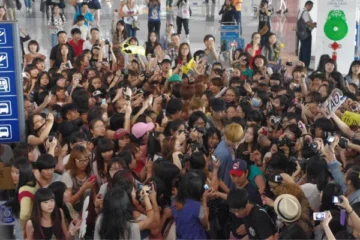
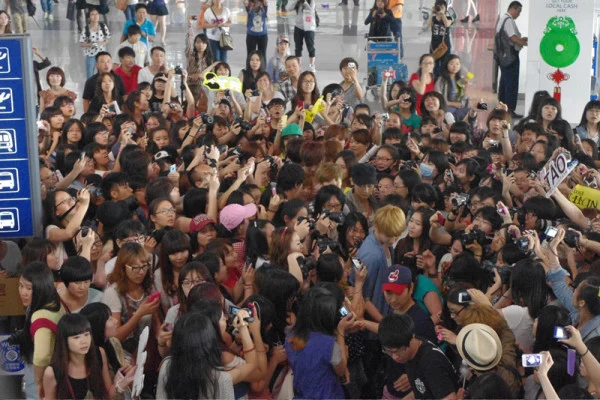
The lack of boundaries is not confined to the digital realm; it frequently manifests as a physical threat. Airport arrivals and departures have become notorious for "mobbing," where hundreds of fans swarm artists, leading to dangerous stampedes. Reports from major hubs like Incheon International Airport frequently describe scenes where both idols and fans are pushed, tripped, or even sexually harassed in the chaos.
Despite the recurring nature of these incidents, entertainment agencies have historically been slow to implement rigorous security measures or to publicly condemn the behavior of their own fans. The reluctance to "offend" the customer base has led to a vacuum of accountability. While some artists have taken to social media to plead for personal space, these individual efforts are often overshadowed by the collective fervor of the crowd. The lack of standardized security protocols for high-profile artists remains a glaring systemic failure within the industry.
The Role of Agencies and the "Image First" Doctrine
In the South Korean entertainment industry, "image" is the most valuable currency. A single scandal, no matter how trivial, can result in the loss of lucrative endorsement deals and a significant drop in stock prices for the management agency. Consequently, companies often choose the path of least resistance: pandering to vocal minorities within the fandom to avoid prolonged controversy.
This "image first" doctrine is a double-edged sword. While it protects short-term profits, it fosters a toxic environment where bad behavior is tacitly permitted. By failing to reprimand fans who harass others or violate privacy, agencies reinforce the idea that such actions are an acceptable part of the "fan experience." The industry’s silence is, in effect, a form of endorsement. For a culture that prides itself on being "clean" and "polite," the refusal to address the "sasaeng" (stalker fan) phenomenon and general fan entitlement is a stark contradiction.

A Call for Collective Responsibility
The resolution of these issues requires a multi-pronged approach involving agencies, artists, and the fans themselves. There is a growing need for "fandom self-regulation," where the majority of fans—who are often respectful and well-meaning—actively call out and marginalize the toxic elements within their communities. If fans can mobilize thousands of dollars for charity, they possess the organizational power to demand better security standards and to discourage cyberbullying within their ranks.
Furthermore, entertainment agencies must prioritize the mental and physical well-being of their artists over the demands of entitled consumers. This includes:
- Legal Action: Implementing strict legal consequences for those who hack accounts, stalk artists, or engage in defamatory campaigns.
- Security Infrastructure: Investing in professional security teams that can manage airport crowds without resorting to physical violence, while ensuring the artist’s safety.
- Public Advocacy: Issuing clear statements that define the boundaries of the fan-artist relationship, making it clear that certain behaviors will not be tolerated, regardless of the fan’s financial contribution.
Broader Implications for the Future of K-pop
As K-pop continues its rapid expansion into Western markets, the industry’s handling of fan culture will come under increased scrutiny. Western audiences, while also capable of intense fandom, often have different expectations regarding an artist’s right to privacy and autonomy. The K-pop industry’s habit of "mollifying" toxic fans may not translate well on a global stage where the dehumanization of celebrities is increasingly criticized.
The current trajectory is unsustainable. The psychological toll on idols—ranging from anxiety and depression to more severe mental health crises—is a direct consequence of a culture that demands 24/7 perfection and total accessibility. If the industry does not take a stand against the "blind negativity" and inappropriate behavior of its consumers, it risks burning out the very talent that makes the genre successful.

In conclusion, while fans are undoubtedly the lifeblood of K-pop, their role as consumers does not grant them the right to act as masters over the lives of artists. The transition from a culture of entitlement to a culture of mutual respect is not just a moral necessity; it is a requirement for the long-term viability of the industry. The question remains: will the major players in the K-pop world find the courage to tell their "customers" that they are, in fact, wrong? Until that happens, the cycle of harassment and apologies for "living" will likely continue unabated.
Related News