South Korea Defense Ministry Under Fire as Celebrity Recruit Scandals Ignite National Debate on Military Equity
Article Editorial Team
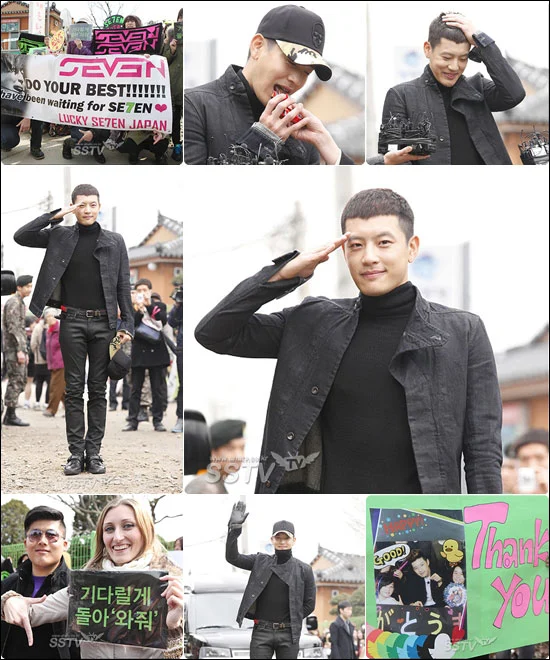
The mandatory conscription system in South Korea remains one of the most significant social and political touchstones in the nation’s modern history. Under the Military Service Act, all able-bodied South Korean men are required to serve approximately 21 months in the armed forces, typically between the ages of 18 and 28. This requirement is a direct consequence of the 1953 Armistice Agreement, which halted the Korean War but left the peninsula technically at war. Consequently, the South Korean military maintains a standing force of hundreds of thousands to deter potential aggression from the North. While the service is a rite of passage intended to foster national unity and shared sacrifice, the preferential treatment of "celebrity recruits" has emerged as a volatile issue, threatening the perceived fairness of the draft and sparking widespread public indignation.
The Institutional Framework of South Korean Conscription
The necessity of universal conscription is rooted in the geopolitical reality of the 38th parallel. For the average South Korean male, military service represents a significant interruption of their civilian life, education, and career trajectory. Soldiers are typically stationed in remote mountainous regions or along the heavily fortified Demilitarized Zone (DMZ). During their service, they are subjected to rigorous physical training, strict disciplinary codes, and severe limitations on personal freedoms. Until recently, access to mobile phones, the internet, and off-base recreation was strictly regulated, creating a stark contrast between the lives of young men in the hyper-connected digital society of Seoul and their isolated existence in military barracks.
To mitigate the loss of career momentum for high-profile entertainers and to boost military morale, the Ministry of National Defense (MND) established the Defense Media Agency’s promotional unit in 1997. Known colloquially as the "celebrity soldier" system, this unit allowed singers, actors, and comedians to serve their country by participating in military-run radio programs, television broadcasts, and promotional concerts. While the stated goal was to improve the image of the military and provide entertainment for enlisted personnel, the unit has long been dogged by allegations of favoritism, lax discipline, and excessive perks that are unavailable to the rank-and-file soldier.
Chronology of the 2013 PR Unit Scandals
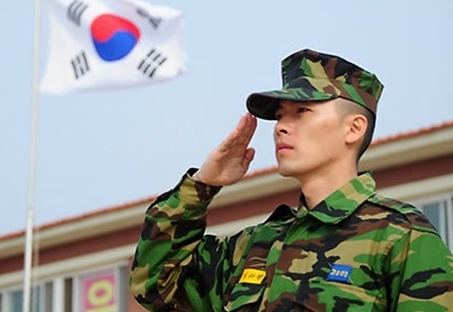
The year 2013 marked a turning point for the Defense Media Agency as a series of high-profile infractions brought the celebrity recruit system under intense public and governmental scrutiny. The controversy began in January 2013, when the global pop star Rain (Jung Ji-hoon) was photographed meeting with actress Kim Tae-hee while on official duty. Rain was found to have violated military protocols by not wearing his beret in public and engaging in private meetings during official outings. Although he received a relatively light punishment—seven days of confinement—the incident sparked a national conversation about the "excessive" vacation days granted to celebrity soldiers compared to regular conscripts.
The situation escalated significantly in June 2013 following an investigative report by the SBS program On Site 21. The broadcast captured footage of several celebrity recruits, including the singer Se7en (Choi Dong-wook) and Sangchu (Lee Sang-chul) of the hip-hop duo Mighty Mouth, engaging in behavior that flagrantly violated military law. Following a military-sponsored performance in Chuncheon, the recruits were seen leaving their temporary lodgings in civilian clothing, using prohibited mobile phones, and consuming alcohol late into the night.
Most damagingly, Se7en and Sangchu were filmed entering an adult massage parlor known for providing illegal sexual services at approximately 4:00 AM. When confronted by SBS reporters upon exiting the establishment, the recruits reportedly engaged in a physical altercation with the journalists in an attempt to seize their equipment. The Ministry of Defense initially attempted to defend the soldiers, claiming they had visited the parlor for "knee therapy" and medical reasons, an explanation that was met with widespread derision and skepticism from the public.
The SBS Investigative Report and Institutional Privileges
The On Site 21 report did more than just catch individual soldiers in acts of misconduct; it provided a rare glimpse into the luxurious conditions afforded to the Defense Media Agency’s recruits. While regular soldiers slept in communal barracks with limited amenities, celebrity recruits were shown to have access to:

- Private Facilities: Access to private gyms, high-end electronics, including PlayStation consoles, and personal televisions.
- Communication and Connectivity: Frequent, unregulated access to the internet and mobile phones, which are strictly prohibited for standard enlisted personnel to prevent the leak of classified information and maintain discipline.
- Wardrobe and Appearance: The possession of civilian clothing and personal grooming products that deviated from standard military issue.
- Lax Supervision: A culture of "self-regulation" that allowed recruits to leave their posts and ignore curfews without fear of reprisal from superior officers.
Data released during the subsequent investigation revealed that celebrity soldiers were granted nearly double the amount of vacation days as regular soldiers. On average, a regular soldier might receive 43 to 60 days of leave during their entire 21-month service. In contrast, some celebrity recruits were found to have taken over 150 days of leave, citing "promotional events" and "rehearsals" as justification.
Official Responses and the Ministry of Defense Investigation
The public backlash following the SBS report was immediate and bipartisan. Netizens and civic groups argued that the celebrity recruit system undermined the very foundation of the conscription law: the principle that all citizens are equal before the law. The perception that wealthy and famous individuals could "buy" or "fame-seek" their way into a comfortable military experience while others risked their lives at the border created a profound sense of social injustice.
In response to the outcry, the Ministry of National Defense launched a comprehensive special audit of the Defense Media Agency. During the investigation, Sangchu attempted to take full responsibility for the massage parlor incident, stating that as the senior soldier, he had led the younger Se7en astray. However, the investigation uncovered a broader pattern of systemic failure within the unit’s leadership. Officers tasked with supervising the recruits were found to have turned a blind eye to the infractions, often in exchange for the prestige or convenience of having famous figures under their command.
On July 18, 2013, the Ministry of Defense released its final report. The findings were damning, confirming that the celebrity soldiers had not only violated specific military codes but that the unit itself had failed to meet its operational objectives. The Ministry admitted that the PR unit had become a source of "public distrust" rather than a tool for morale.

The Abolition of the Celebrity Recruit System
The fallout of the 2013 scandal led to a historic decision. On August 1, 2013, the South Korean Ministry of Defense officially abolished the celebrity recruit system after 16 years of operation. The remaining 15 celebrity soldiers were reassigned to regular field units, mostly in infantry divisions stationed near the front lines, to complete the remainder of their service under the same conditions as average conscripts.
Se7en and Sangchu were sentenced to 10 days in military jail (brig) for their conduct. The swiftness of the system’s abolition served as a clear signal from the government that the era of "special treatment" for entertainers was over. The move was widely praised by the public, though it left the entertainment industry grappling with how to manage the mandatory hiatus of its top stars.
Broader Impact and Implications for Korean Society
The 2013 celebrity recruit scandal had long-lasting implications for the intersection of pop culture and national duty in South Korea. It established a new precedent for how "Hallyu" (Korean Wave) stars are expected to conduct themselves during their service. Today, many high-profile stars, such as members of BTS or world-renowned actors, often choose to serve in demanding roles—such as the Marine Corps or Special Forces—to prove their commitment to the nation and avoid the "celebrity" stigma.
The incident also highlighted the power of investigative journalism in South Korea. The role of SBS in exposing the misconduct forced a government institution to dismantle a decades-old system. Furthermore, it underscored the shifting values of the younger generation of South Koreans. For these men, military service is not just a duty but a test of the state’s commitment to fairness. Any perceived breach of that fairness is seen as an affront to the sacrifices made by millions of families.

In conclusion, the Se7en and Sangchu scandal was the catalyst for a necessary correction in South Korea’s military policy. By abolishing the PR unit, the Ministry of Defense reaffirmed the principle that military service is a universal obligation that transcends social status. While the debate over the necessity of the draft continues as inter-Korean relations evolve, the 2013 reforms ensured that as long as the draft exists, it must be applied with a degree of equity that the public can respect. The legacy of this scandal serves as a reminder that in a democratic society, even the most beloved cultural icons are not above the responsibilities of citizenship.
Related News