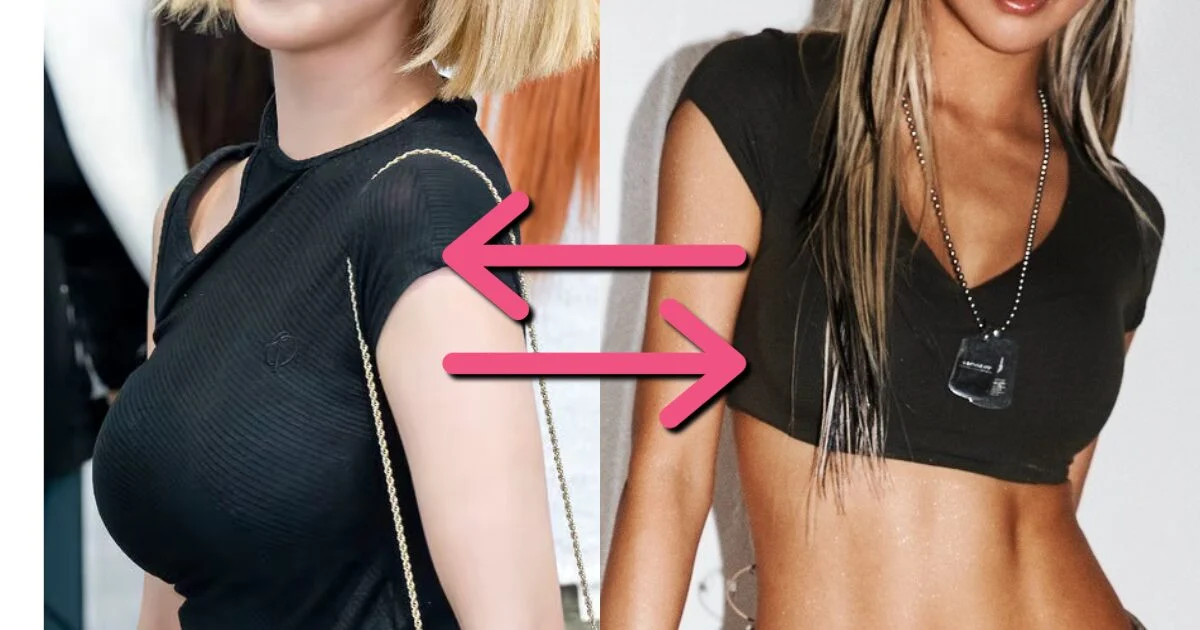
Dayoung’s shift from a "bright and ethereal" girl group member to a "bold and sun-kissed" soloist has sparked a heated debate across South Korean online communities. While many fans have applauded her for embracing a more natural and confident image, a vocal segment of netizens has accused the idol of being dishonest about her current skin tone. The controversy hinges on whether Dayoung’s tanned complexion is a result of artificial tanning or, as she claims, a return to her natural skin tone after years of using lightening makeup.
The Evolution of Dayoung’s Public Image
Dayoung debuted in 2016 as a member of WJSN under Starship Entertainment. During her early years in the industry, she adhered to the typical "idol look," characterized by fair skin, vibrant hair colors, and a youthful, energetic persona. This aesthetic was consistent with the group’s "cosmic" and "magical girl" concepts, which often utilized bright lighting and post-production filters to enhance a pale, luminous appearance.
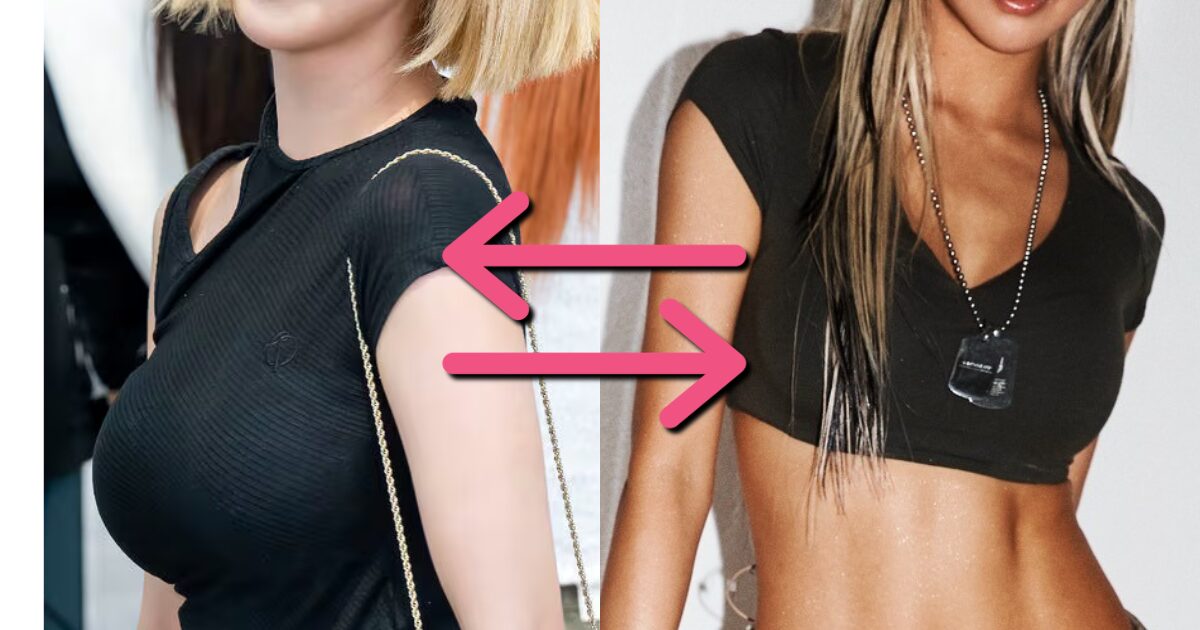
As WJSN’s group activities transitioned into more individual-focused endeavors, Dayoung began to carve out a niche for herself in variety programming and solo music projects. With this professional shift came a dramatic aesthetic rebranding. Dayoung began appearing with a significantly deeper, golden skin tone, often paired with athletic wear and a more mature, "girl-crush" styling. This transformation was not merely a change in clothing but a fundamental shift in her physical presentation, leading many to question the origins of her new glow.
The Reveal of Industrial Beauty Standards
The current controversy gained momentum following Dayoung’s own candid revelations regarding the beauty practices she followed during her peak years with WJSN. The idol recently disclosed that during group promotions, she frequently used body makeup that was three shades lighter than her natural complexion. This admission provided a rare glimpse into the lengths to which K-pop idols go to meet the industry’s demand for "milky-white" skin.
According to Dayoung, the use of heavy "tone-up" creams and lightening foundations was a standard part of her preparation for performances, music videos, and public appearances. By revealing this, she aimed to explain why she appeared so much lighter in the past compared to her current appearance. However, rather than settling the matter, this disclosure led to a secondary wave of skepticism. Some observers found it difficult to believe that the disparity between her past and present looks could be attributed solely to the cessation of lightening makeup, leading to allegations that she is now "fake tanning" while claiming it is her natural state.

Chronology of Public Confrontations
The debate has been fueled by several high-profile television and interview appearances where Dayoung was directly questioned about her complexion.
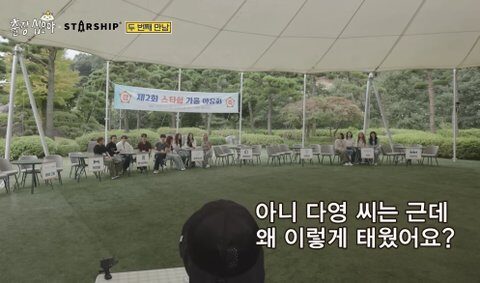
In a recent episode of MBC’s "Point of Omniscient Interfere," a popular variety show that observes the lives of celebrities and their managers, the hosts noted Dayoung’s striking tan. Veteran entertainer Jun Hyun Moo remarked that she looked as though she had "just stepped out of a tanning salon." Dayoung was quick to refute the suggestion, stating firmly, "This isn’t tanning. It’s just my skin!"
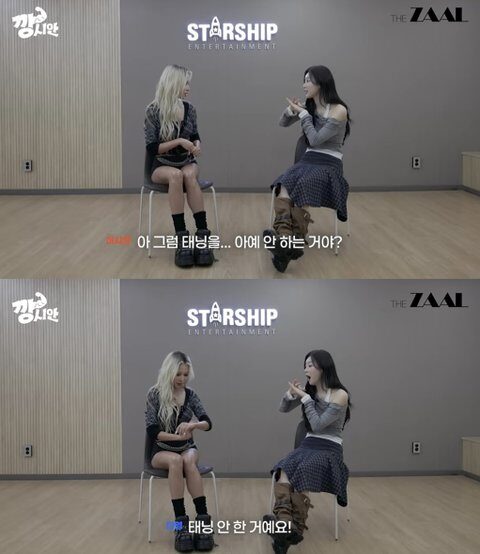
This interaction mirrored a previous exchange with Lee Si An, where the idol was asked if she frequented tanning boutiques to maintain her look. Dayoung denied it entirely, asserting that she does not undergo any artificial tanning processes. When asked by another MC why she appeared "burnt," Dayoung offered a poignant response that resonated with many of her supporters: "I’m not burnt. I have just decided to love myself the way I am."
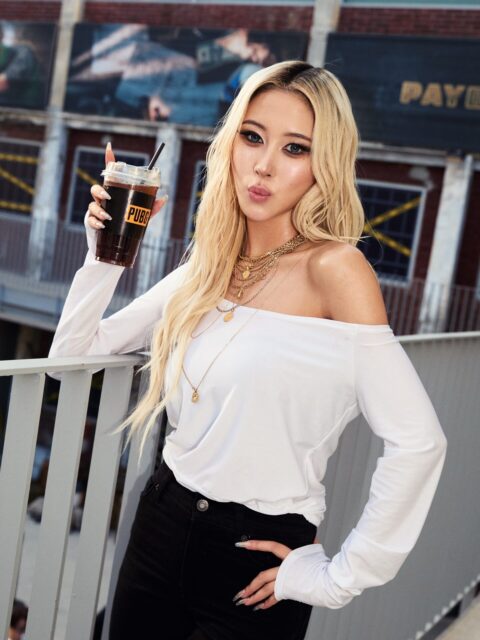
Despite these consistent denials, the discourse on platforms like Instiz and Pann has remained divided. Critics point to the uniformity and depth of her tan as evidence of professional UV tanning or spray tanning, suggesting that "natural" skin rarely maintains such a consistent bronze hue under the harsh studio lights of the Korean entertainment circuit.
Cultural Context: Colorism and the K-Pop Aesthetic
To understand the intensity of the backlash against Dayoung, one must consider the broader cultural context of colorism in East Asia. Historically, pale skin was associated with the elite who did not have to perform manual labor outdoors, while tanned skin was associated with the working class. In the modern era, this has translated into a multi-billion dollar skin-whitening industry and a media landscape that heavily favors "fair" idols.
However, a counter-trend has emerged in recent years, often referred to as the "healthy" or "glam" look. Pioneered by icons like Lee Hyori and furthered by artists like Hwasa of MAMAMOO and soloist Jessi, the tanned aesthetic is often linked to themes of independence, strength, and westernized notions of sexiness. While this has opened doors for more diverse representations of beauty, it has also created a new set of pressures. Idols who adopt this look are sometimes accused of "tan-fishing"—deliberately darkening their skin to appear more "exotic" or to co-opt the "cool" factor associated with Hip-Hop and R&B cultures.
Netizen Reactions and Public Defense
The accusations against Dayoung have prompted a significant defense from her fanbase and general netizens who view the attacks as a form of harassment. On online forums, supporters have compiled "pre-debut" photos of the idol, which suggest she naturally possesses a warmer, deeper skin tone than what was presented during her early WJSN days.
"It is heartbreaking that she has to defend her own skin," one user on Instiz wrote. "She spent years hiding her true self under layers of white makeup to please the public, and now that she’s showing her real face, they call her a liar."
Another commenter pointed out the technical reality of idol photography: "People forget how much ‘whitewash’ editing goes into fansite photos and official teasers. We never actually saw her real skin tone for seven years. Of course, the change looks drastic to us."
The defense of Dayoung often highlights a perceived double standard. While idols are frequently criticized for being "fake" or "plastic," those who attempt to reclaim their natural features are often met with suspicion if those features do not align with the traditional beauty hierarchy.
Analysis of Implications for the Industry
The controversy surrounding Dayoung’s skin tone is indicative of a larger shift within the K-pop industry regarding artist autonomy. As the "Third and Fourth Generation" of K-pop matures, many idols are no longer content with being "blank slates" for their agencies’ concepts. Dayoung’s decision to stop using lightening makeup is a political act in the context of the Korean idol system—it is a rejection of a standard that required her to physically alter her appearance for nearly a decade.
From a business perspective, this situation presents a challenge for agencies like Starship Entertainment. They must navigate the fine line between maintaining an idol’s broad marketability and supporting their desire for authentic self-expression. If the public continues to react negatively to such changes, it may discourage other idols from abandoning the "standard" look, thereby stifling diversity within the genre.

Furthermore, this event highlights the "authenticity trap" in celebrity culture. Fans demand that idols be "real," yet when an idol reveals a truth that contradicts their established image—such as the fact that their "fairness" was a cosmetic illusion—the public often feels betrayed by the shift in reality.
Future Outlook
As Dayoung continues her solo career, her complexion will likely remain a topic of discussion until it becomes the "new normal" for her brand. Her steadfast refusal to admit to tanning, despite repeated questioning, suggests a commitment to a narrative of self-acceptance. Whether she is naturally this tan or utilizes subtle professional help to maintain the glow, the underlying message remains the same: she is no longer willing to hide behind the three-shades-lighter foundation of her youth.
This incident may serve as a catalyst for other idols to speak out about the cosmetic pressures they face. If more artists follow Dayoung’s lead in revealing the "smoke and mirrors" of K-pop beauty, the industry may eventually move toward a more inclusive and realistic standard of what a "beloved idol" looks like. For now, Dayoung remains a polarizing but pivotal figure in the ongoing struggle for authenticity in the world of Hallyu.

In conclusion, the accusations of lying leveled against Dayoung are less about the technicalities of tanning and more about the discomfort that arises when a public figure dismantles a carefully constructed facade. By choosing to "love herself the way she is," Dayoung has forced a conversation about the artificiality of the K-pop image, a conversation that is as necessary as it is contentious. The trajectory of her solo career will undoubtedly be watched closely, not just for her music, but for her role in redefining the aesthetic boundaries of South Korean stardom.