The Digital Vanguard: Analyzing the Evolution of K-pop Fandoms as Global Socio-Political Movements
Article Editorial Team
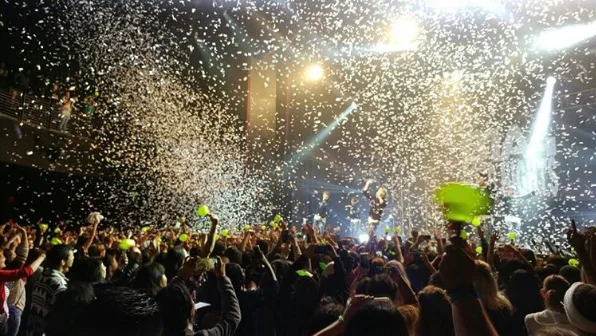
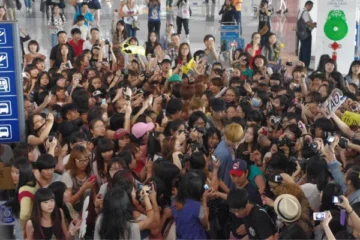
The concept of fandom has evolved from a niche hobby into a formidable global movement that exerts significant influence over contemporary celebrity culture and digital politics. In the modern era, major figures across the entertainment spectrum—ranging from musicians and gamers to digital influencers—have cultivated massive, highly organized fan bases. These groups, often united under specific "fandom names" such as BTS’s ARMY, Stray Kids’ STAY, or Blackpink’s BLINK, transcend traditional demographic boundaries of race, age, gender, and geography. While the primary objective of these collectives remains the support and promotion of their respective idols, the intersection of globalization and social media has transformed these groups into sophisticated entities capable of orchestrating large-scale social and political actions.
The synergy between technological advancement and cultural exchange has dismantled physical and cultural barriers, allowing influence to flow seamlessly across borders. Globalization is no longer a distant economic theory but an everyday reality that facilitates the sharing of human experiences. As the world becomes increasingly interconnected, the collective power of fandoms has been redirected toward social justice movements, leading to a complex dynamic where digital mobilization can be used both as a tool for profound social good and as a weapon to silence dissent. Understanding this phenomenon requires an analysis of the sociological definitions of social movements, the cultural roots of collectivism, and the specific instances where K-pop fandoms have successfully intervened in global affairs.
The Sociological Framework of Fandom as a Social Movement
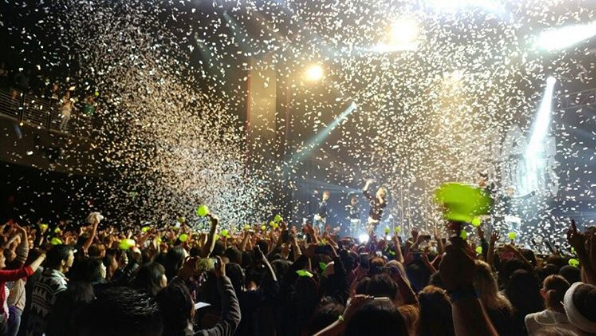
In sociological terms, a social movement is defined as a form of collective action involving informal networks of individuals and groups who share a common identity and work toward a specific goal. K-pop fandoms align almost perfectly with this definition. These groups are characterized by their ability to mobilize millions of individuals through decentralized yet highly disciplined communication networks, primarily on platforms like X (formerly Twitter), TikTok, and Discord.
The efficacy of these movements is rooted in the concept of collectivism, a cultural orientation that prioritizes the well-being and goals of the community over the individual. This is particularly prevalent in East Asian societies, where the family unit and group harmony are central to social life. K-pop marketing strategies have successfully exported this collectivist mindset, encouraging fans to view their individual efforts—whether purchasing an album, voting for an award, or trending a hashtag—as vital contributions to a larger communal victory. This synthesis of millions of individual actions into a single, tangible result is what allows fandoms to function with the efficiency of a political machine.
The Globalization of the Korean Wave (Hallyu)
The rise of K-pop as a global force is a primary example of successful globalization. South Korea’s "Hallyu" or Korean Wave has seen unprecedented success in Western markets, particularly in the United States. The year 2020 served as a watershed moment for Korean cultural exports. In March 2020, Bong Joon-ho’s Parasite made history by winning the Academy Award for Best Picture, the first non-English language film to do so. This was followed in 2021 by Youn Yuh-jung’s Best Supporting Actress win for Minari.

Beyond cinema, K-pop artists like BTS have achieved record-breaking success, consistently selling out stadium tours and topping the Billboard charts. This success is not accidental; it is the result of a deliberate leveraging of globalization by Korean entertainment agencies. By creating content that is highly "shareable"—such as high-budget music videos with intricate choreography—agencies have fostered a culture of "reaction videos" and digital engagement. Channels like ReacttotheK, which analyzes the musicality of K-pop, demonstrate how the genre has penetrated diverse intellectual and social spheres, including those of classical musicians and academics. This feedback loop of interest ensures that K-pop remains a constant presence in the global digital discourse.
A Chronology of Political and Social Mobilization
The transition of K-pop fandoms from music-focused groups to political actors became most visible during the summer of 2020. This period established a timeline that demonstrated the speed and scale at which these digital collectives could operate.
June 4, 2020: Following the global outcry over the death of George Floyd, BTS and their label, Big Hit Entertainment (now HYBE), announced a $1 million donation to the Black Lives Matter (BLM) movement.
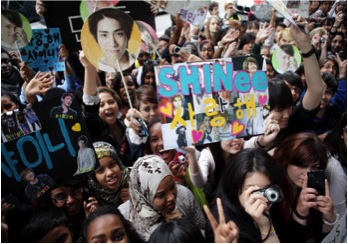
June 5–7, 2020: In response, the BTS fan organization "One in an ARMY" launched the #MatchItForward campaign. Within 24 hours of the hashtag trending, the fandom had raised over $800,000. By June 7, the total exceeded $1 million, effectively matching the group’s initial donation through thousands of small, individual contributions from around the world.
June 2020: K-pop fans engaged in digital sabotage against white supremacist rhetoric. When the hashtag #WhiteLivesMatter began to trend, fans flooded the tag with thousands of "fancams"—short videos of K-pop idols performing—thereby drowning out racist messaging and rendering the hashtag useless for its intended purpose.
June 20, 2020: K-pop fans, alongside users on TikTok, took credit for disrupting a campaign rally for then-President Donald Trump in Tulsa, Oklahoma. Fans reportedly registered for hundreds of thousands of free tickets with no intention of attending. While the Trump campaign denied the impact of the prank, the rally saw a significantly lower turnout than expected, with roughly 6,200 attendees in a 19,000-seat arena.

The Mechanics of Digital Influence and Idol Protection
The power of fandom is frequently applied to internal industry issues, often referred to as "idol protection." This involves using the same tools employed for social justice to safeguard an artist’s reputation. For example, when Hyunjin of Stray Kids faced allegations of school bullying in early 2021, the STAY fandom organized extensive hashtag campaigns to demonstrate unwavering support. By flooding social media with positive messaging, the fandom pressured the artist’s management company, JYP Entertainment, to maintain their support for the idol despite public scrutiny.
Another common tactic is "clearing the searches." When a negative story or scandal involving an idol breaks, fans will coordinate to search for the idol’s name alongside positive keywords like "talented," "kind," or "best." This manipulates search engine algorithms, ensuring that anyone looking for information on the artist sees positive content rather than news of the controversy. While effective for brand management, this practice highlights a significant ethical divide within fandom culture: the prioritization of the idol’s image over accountability or transparency.
The Paradox of Fandom Activism
Despite the high-profile successes in social justice, the weaponization of fandom has a darker side. Many minority fans, particularly Black K-pop fans, have reported instances of "dogpiling" and harassment when they attempt to hold idols accountable for cultural appropriation or the use of racial slurs. The very collectivism that allows for massive charity drives can also be used to silence marginalized voices within the community if those voices are perceived as a threat to the idol’s reputation.
This paradox suggests that while K-pop fandoms use the tactics of social movements, their ultimate goal often differs from traditional activism. Traditional social movements are driven by a desire for systemic change or justice for a broad group of people. In contrast, the primary objective of a fandom movement is almost always the protection or elevation of a specific individual—the idol. This creates a scenario where "activism" is conditional; it is embraced when it aligns with the idol’s brand or values but is discarded when it challenges the idol’s actions.
Broader Implications and Future Outlook
The rise of the K-pop fandom as a social movement signifies a shift in the landscape of digital power. Governments and political organizations are increasingly aware that these groups can influence public discourse and even affect political events. However, the internal contradictions of these groups—their tendency to swing between altruism and targeted harassment—pose a challenge for those who view them as a reliable force for progress.
The efficiency of these groups is a testament to the power of digital collectivism in a globalized world. They have proven that a decentralized group of individuals can raise millions of dollars and disrupt political narratives in a matter of hours. Yet, the critical takeaway remains that fandom mobilization is inherently person-centric. As long as the primary loyalty of the group is to a celebrity rather than a cause, their role in social justice will remain a secondary effect of their devotion.

In conclusion, K-pop fandoms represent a new frontier of collective action. They have harnessed the tools of the 21st century to create a global network that is more organized and responsive than many traditional political organizations. As globalization continues to blur the lines between cultures, the influence of these digital vanguards will likely grow. However, the distinction between "fan mobilization" and "social activism" must be maintained to accurately assess the impact of these groups on the global stage. The goal in K-pop remains the idol, and while that power can be harnessed for justice, it is fundamentally a tool for the promotion of a person, not necessarily a principle.
Related News